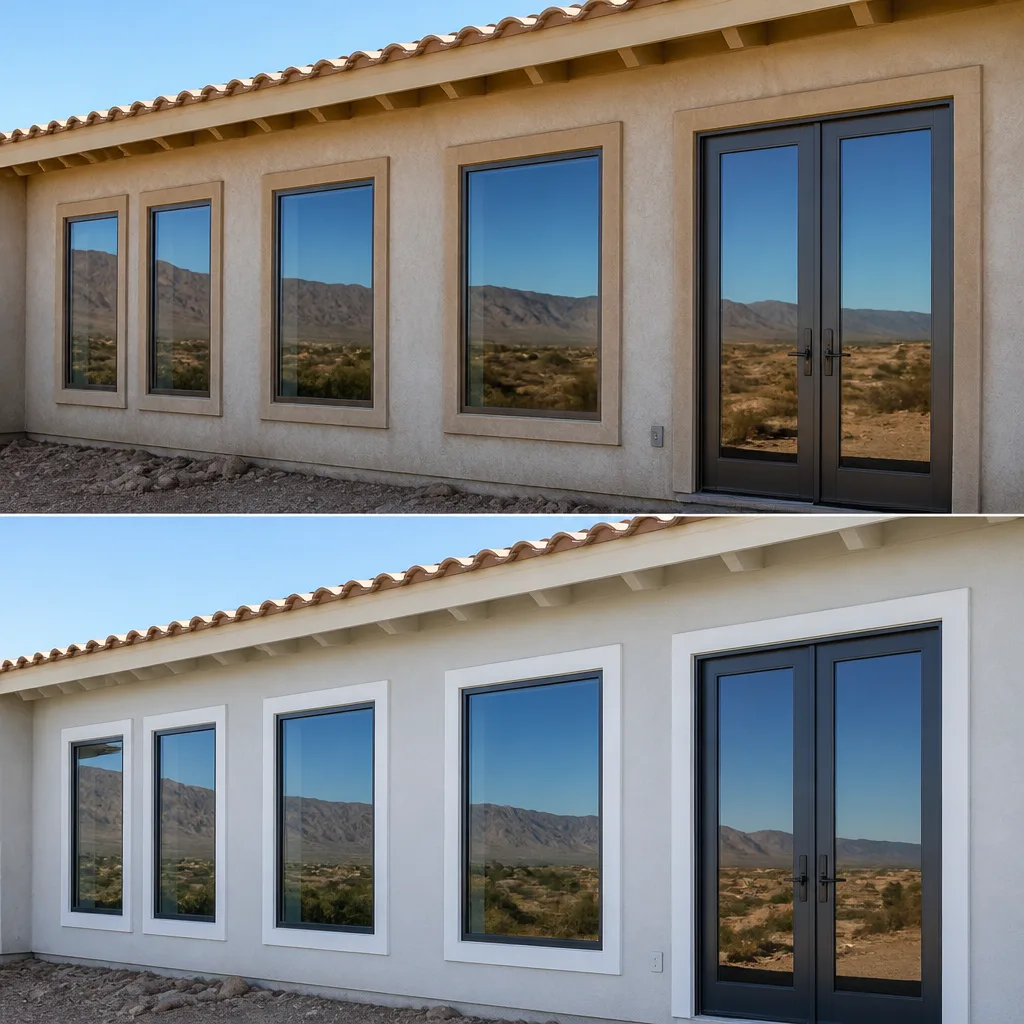
Last updated November 18, 2026
New windows and doors improve comfort, cut energy bills and add long-term value to your home. Sightline Windows & Doors Mesquite pairs proven product lines with a local vetted installing partner for lasting performance - and a price put in writing.
Choose your installer
The unit is half the job - the install is the other half. Background-checked local installers measure, set, seal and insulate every opening, and they know the lines we quote inside and out.
Select the right products
Compare styles, materials and glass packages side by side until the fit is right for your rooms, your budget and your goals. The product-line comparison below is the place to start.
Prepare your home for install
Before install day we walk you through a short checklist - furniture pulled back, treatments down, a clear path to each opening - so install day is watch-it-happen, not scramble.
Compare the Lines We Quote
Every project is priced on the same lines, side by side - the price indicators below are relative, and your consultant shows exact numbers on your actual openings.
PGTThe line homeowners arrive naming - the most impact certifications in the industry$$$
- More impact certifications than any other line we quote
- WinGuard, EnergyVue and ClassicVue Max systems built for every wind zone
- 99% on-time delivery keeps your install date on the calendar
CGIThe heavyweight impact line$$$$$
- Large-missile impact ratings for the strictest wind zones
- Architectural-grade aluminum with commercial-depth frames
- The line we quote when protection is the whole point
CWSThe value pick$$
- Vinyl systems built to strict wind codes
- Strong energy packages at the friendliest price point
- The smart start for whole-home replacements on a budget
ESWSlim lines, big glass$$$$
- Narrow-sightline aluminum for modern elevations
- Oversized openings and floor-to-ceiling glass
- Impact-rated without the bunker look
ECOThe aluminum impact workhorse$$$
- Factory-built aluminum impact systems
- A strong price-to-protection ratio for coastal homes
- Proven lines with short lead times
The Complete Impact Windows & Doors Guide for Mesquite Homeowners
Impact glass is sold hard in coastal markets, and most of what you’ll read online was written for hurricane country. Mesquite isn’t that market. We don’t get storm surge, and we don’t get named storms making landfall at our doorstep. What we do get is a Virgin River corridor that funnels 70 – 90 mph wind gusts through the valley, sun that pushes glass surface temperatures past 140°F on a July afternoon, and a home insurance market that treats impact-rated glazing differently in a Nevada ZIP code than a Florida one. This guide is about the Mesquite case specifically: what “impact-rated” actually means in certification terms, which rating applies to our wind load zone, what Nevada carriers do and don’t credit, and how the per-opening math works out against standard replacement.
Quick Answer
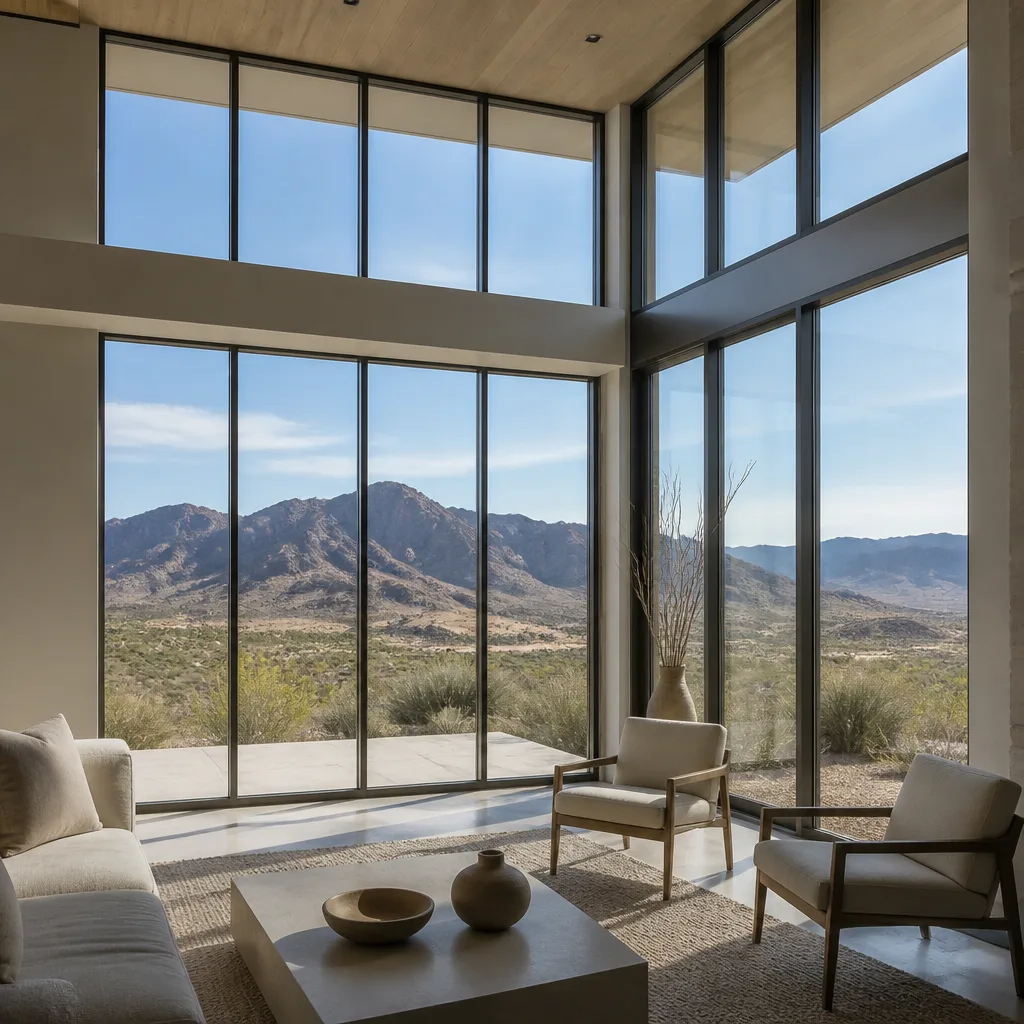
Impact-rated windows and doors in Mesquite are worth considering for three reasons: wind-driven debris during the corridor’s high-wind events, security-rated glazing that some HOAs now specify, and premium adjustments available from some Nevada carriers. They are not hurricane protection here. On a per-opening basis, impact units typically run higher than standard replacement, so the decision comes down to wind exposure, HOA requirements, and whether your carrier credits the upgrade with documented certification.
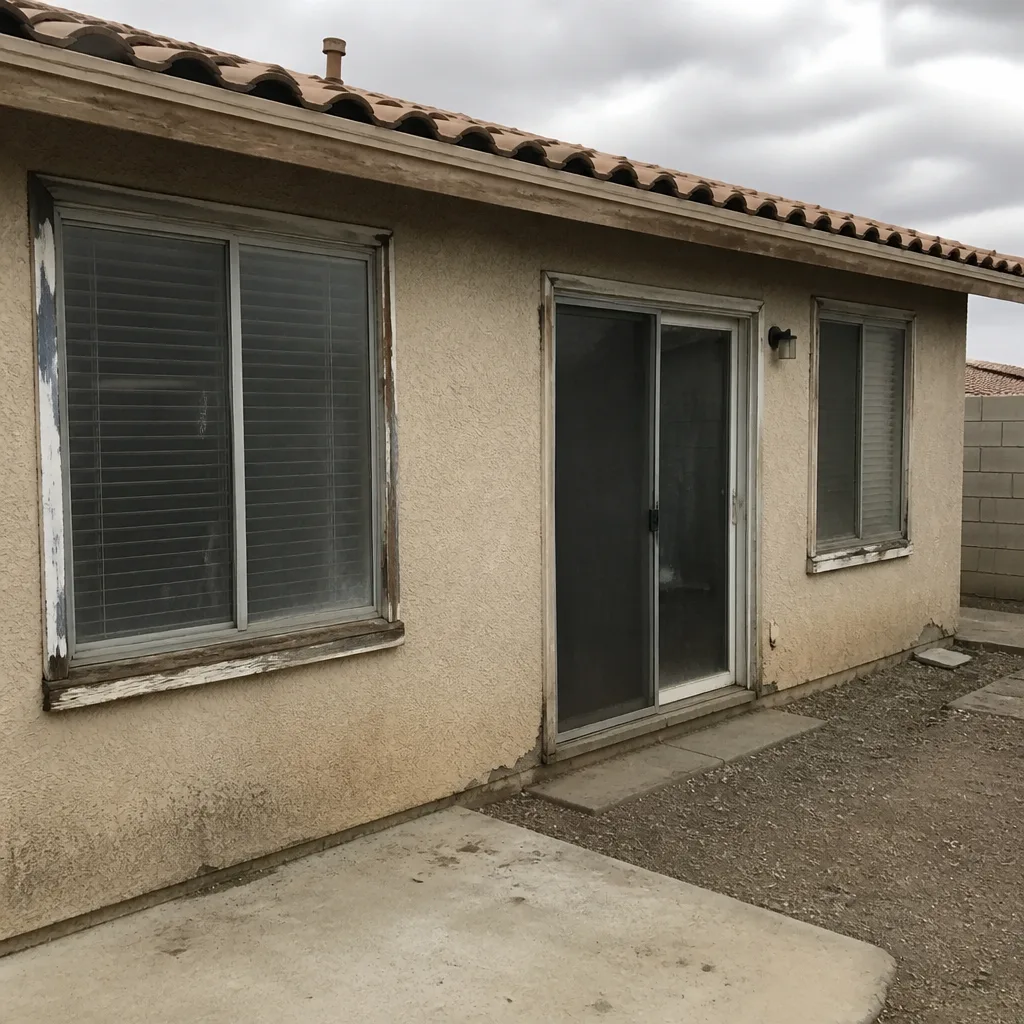 Before
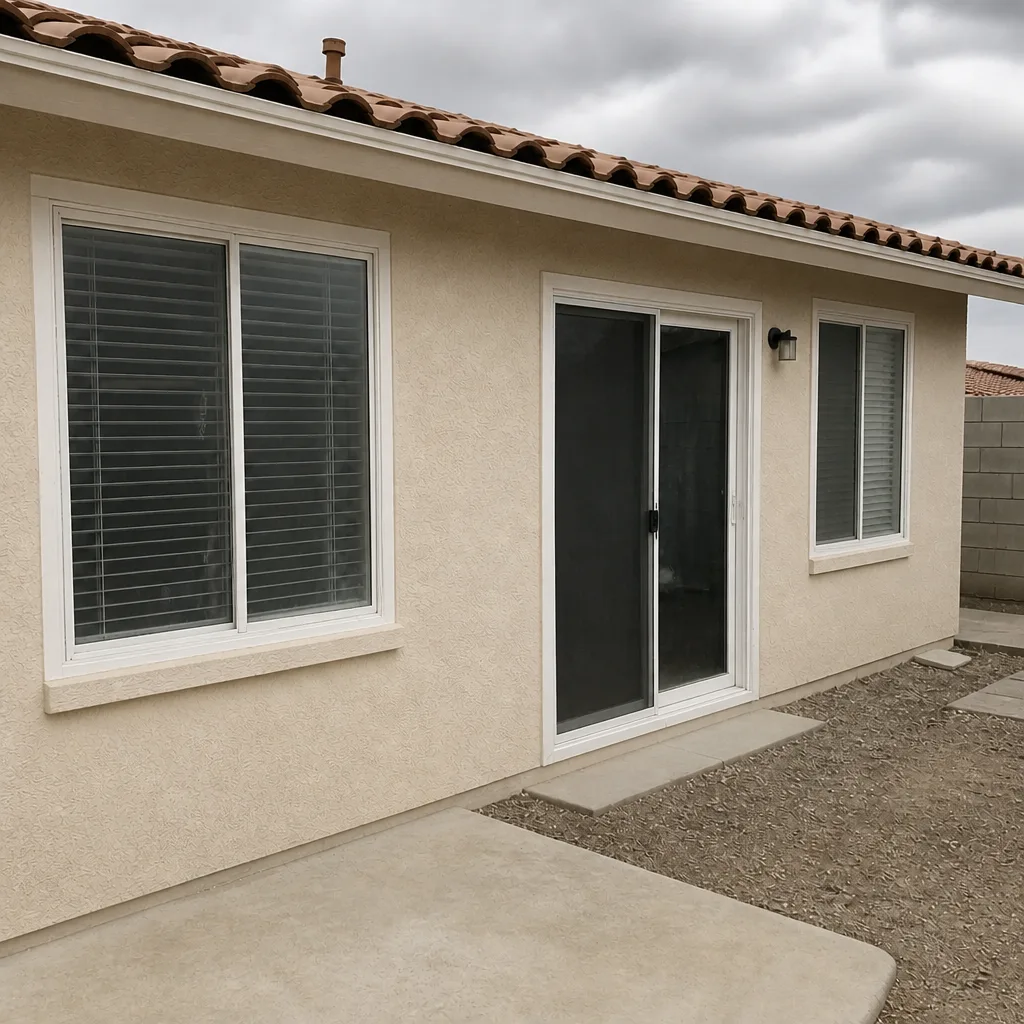 After
Table of Contents
- What “Impact-Rated” Actually Means in Certification Terms
- Which Rating Applies to Mesquite’s Wind Load Zone
- Nevada Insurance Carriers and Impact Glass Premium Adjustments
- Thermal Performance Trade-Offs in Desert Solar Exposure
- Security and Intrusion Resistance: The Rating Scale Explained
- Impact Unit Pricing in the Mesquite Market and the Breakeven Calculation
- HOA Requirements and Nevada Code Considerations
- Why Installation Quality Determines Impact Performance
What “Impact-Rated” Actually Means in Certification Terms
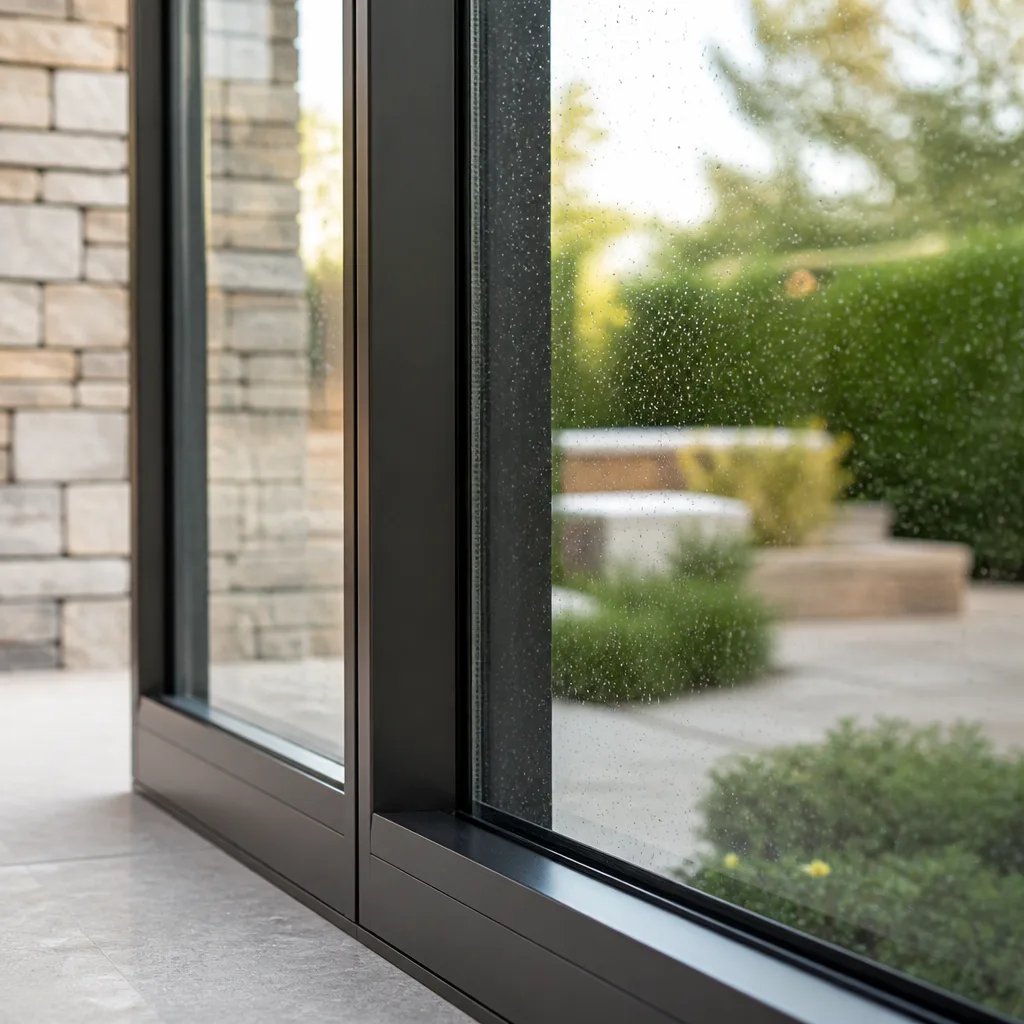
The phrase “impact-rated” gets used loosely in marketing. In technical terms, it refers to a product that has passed a specific test protocol, and the protocol matters. The two you’ll encounter in residential sales are ASTM E1886/E1996 (the standard test method for impact and cyclic pressure) and the Florida Building Code’s Miami-Dade product approval, often called NOA or Miami-Dade certification.
ASTM E1886/E1996 tests a unit by firing a projectile at designated points, then cycling positive and negative pressure across the assembly to simulate a storm passing. A product that passes earns a performance grade tied to a design pressure (DP) rating. Miami-Dade approval is stricter: it requires large and small missile impact testing plus a specific pressure cycle, and it’s the gold standard coastal markets use.
What marketing materials usually imply but don’t say: “impact-rated” alone means nothing without the DP rating and the certification body behind it. A unit rated for a 90 mph design pressure and a unit rated for 150 mph can both be called “impact-rated” in a brochure. Ask for the actual test report and the DP number. If a salesperson can’t produce it on request, the claim hasn’t been earned.
In our measured surveys across Mesquite, we check the opening’s exposure before specifying a product tier. A single-story home on the valley floor with a windbreak of mature trees has a different exposure profile than a two-story on an open lot facing the corridor. The certificate should match the opening, not the sales pitch.
Which Rating Applies to Mesquite’s Wind Load Zone
Mesquite sits in a wind zone where design wind speeds in the range of 90 – 110 mph (3-second gust) are the working assumption for most residential construction, depending on exposure category and building height. That’s the number that should drive product selection, not the 150 mph figures you’ll see in coastal marketing.
Practical implications for a Mesquite homeowner:
- A unit certified to ASTM E1886/E1996 with a DP rating at or above your calculated design pressure is appropriate. In most single-family Mesquite applications, that lands in the DP 50 – 65 range, though exposure category changes the number.
- Miami-Dade certification is not required for Mesquite residential work unless your HOA or a specific insurer demands it. It’s a stronger certificate, and it costs more.
- The weak point in any impact assembly is rarely the glass. It’s the frame anchorage and the perimeter seal. A DP-rated unit installed with undersized fasteners and a bead of caulk isn’t impact-rated in practice, regardless of what the label says.
We specify from manufacturer lines by performance tier and price range, not by margin. For most Mesquite wind exposures, a properly rated PGT or CGI unit covers the requirement. If a client wants the higher certification for insurance or HOA reasons, we quote that separately so the cost difference is visible in writing before anyone commits.
Nevada Insurance Carriers and Impact Glass Premium Adjustments
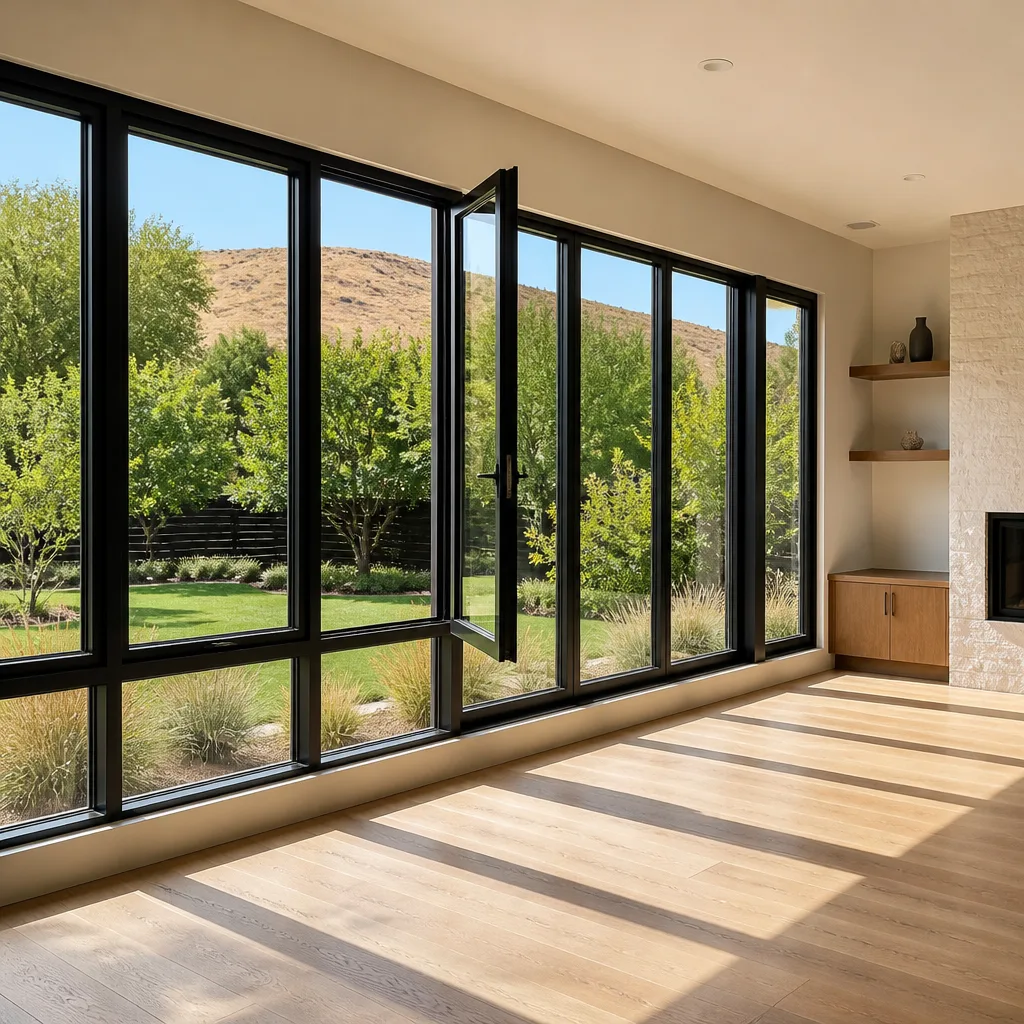
Here’s where Mesquite departs most sharply from coastal impact glass marketing. In Florida and coastal Texas, carriers routinely credit impact-rated openings because wind-borne debris claims are a major loss driver. In Nevada, the picture is mixed. Some carriers offer a documented premium adjustment for impact-rated glazing; others don’t recognize the upgrade at all; and the ones that do usually require specific documentation.
What carriers typically ask for when they do offer a credit:
- A manufacturer’s certification showing the specific product and DP rating.
- Proof of the certification body (ASTM test report or Miami-Dade NOA number).
- An installation record signed by the installing contractor, with the opening schedule matching the certificate.
- Sometimes a post-install inspection or a photo record of the installed units.
Realistic dollar ranges: premium adjustments we’ve seen cited by Mesquite-area homeowners run in the low hundreds of dollars per year on a typical policy, and that’s on the upper end. On a $2,400 annual premium, a 5 – 10% adjustment is $120 – $240. Some carriers don’t move at all. It’s worth one phone call to your agent before you commit to impact glass on insurance grounds alone; the savings are real for some policies and nonexistent for others.
Because Haven Clause 1 means the price is written before any work starts, we can hand you the per-opening cost of the impact upgrade in a clean line-item quote. Take that number to your agent. If the credit is $180 a year and the upgrade is $4,200 on a door, you’ll know the payback period before you sign anything. That’s the whole point of the documentation.
Thermal Performance Trade-Offs in Desert Solar Exposure
This is the section most impact glass marketing skips. Impact-rated laminated glass and standard Low-E insulating glass behave differently under Mesquite’s solar load, and the difference matters more here than in any coastal market.
Impact glass is typically laminated: two panes of glass bonded to a polyvinyl butyral (PVB) or ionoplast interlayer. That interlayer is what gives it impact resistance. It also changes the optical and thermal characteristics:
- U-factor (how well the assembly resists heat flow) can be slightly worse than a comparable Low-E IGU because the extra layer adds thermal mass without adding an insulated cavity. Manufacturers compensate by specifying Low-E coatings on the impact units, but you have to ask for it.
- SHGC (solar heat gain coefficient, the fraction of solar heat that passes through) can be tuned with coatings, but the coating and interlayer interact. A unit specified for a Florida exposure may have an SHGC that’s too high for a west-facing Mesquite window in July.
- Visible light transmittance drops a bit with some interlayers. On north-facing windows this is rarely an issue; on a bright west-facing living room, it’s worth checking the numbers before you order.
In our experience, the right approach in Mesquite is to specify the impact interlayer and the Low-E coating together, then verify the U-factor and SHGC against the opening’s orientation. A west-facing unit gets a lower SHGC; a north-facing unit can afford more visible light. We pull the manufacturer’s performance data sheet on the actual specified product and put the numbers in the written scope. If a manufacturer’s spec sheet doesn’t give you U-factor and SHGC for the exact unit you’re buying, ask why.
For a broader comparison of energy-efficient options in Mesquite, see our work on window installation in Mesquite.
Security and Intrusion Resistance: The Rating Scale Explained
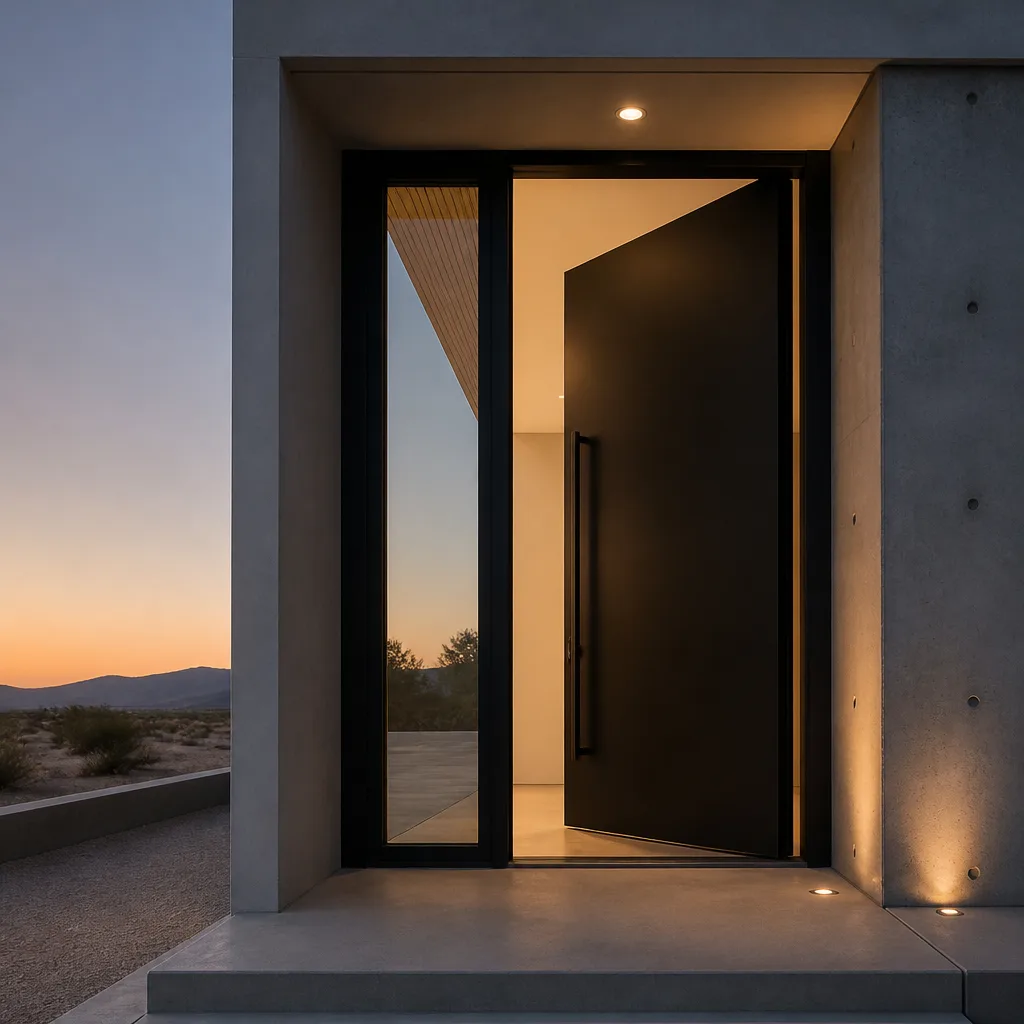
Impact resistance and forced-entry resistance are different tests, and confusion between them is common. Impact testing asks: will the glass stay in the frame when a projectile hits it at speed and pressure cycles follow? Forced-entry testing asks: how long does it take a determined person with hand tools to create an opening?
The forced-entry scale most manufacturers reference is ASTM F1233, which rates glazing assemblies on a class system. Higher classes mean longer resistance times against a defined attack. A Class 1 assembly resists a defined attack for a short window; higher classes resist longer. Some impact-rated products carry a forced-entry rating; many don’t.
For Mesquite homeowners, security-rated glazing has become relevant mostly through HOA specifications. Some HOAs in the valley now require security-rated glass on ground-floor openings facing common areas, and the specification usually names ASTM F1233 or an equivalent. If your HOA has adopted such a rule, the product has to meet the named standard, not just “impact-rated.”
Practically speaking, the laminated interlayer in impact glass does provide meaningful intrusion resistance compared with annealed glass, because the glass stays bonded to the interlayer after breaking rather than falling away. That’s a real security benefit, and it’s separate from wind performance. But a wind-certified unit with no forced-entry class shouldn’t be sold as a security solution. If security is the goal, ask for the F1233 class explicitly. For door openings specifically, see our guide to door installation in Mesquite.
Impact Unit Pricing in the Mesquite Market and the Breakeven Calculation
Numbers, in dollars, on the page. Impact-rated units in the Mesquite market typically run higher than standard replacement on a per-opening basis, and the premium varies widely by product tier, frame material, and opening size. The ranges below are typical working ranges for a standard-size residential opening; a large slider or a custom geometric window will sit above the top end. All of these come with a written price before any work starts.
- Standard single-hung replacement, vinyl frame, Low-E IGU: $550 – $1,100 per opening, installed.
- Impact-rated single-hung, laminated glass, Low-E coating, vinyl frame: $950 – $1,900 per opening, installed.
- Standard sliding patio door: $1,600 – $3,200 installed.
- Impact-rated sliding patio door: $2,800 – $5,500 installed.
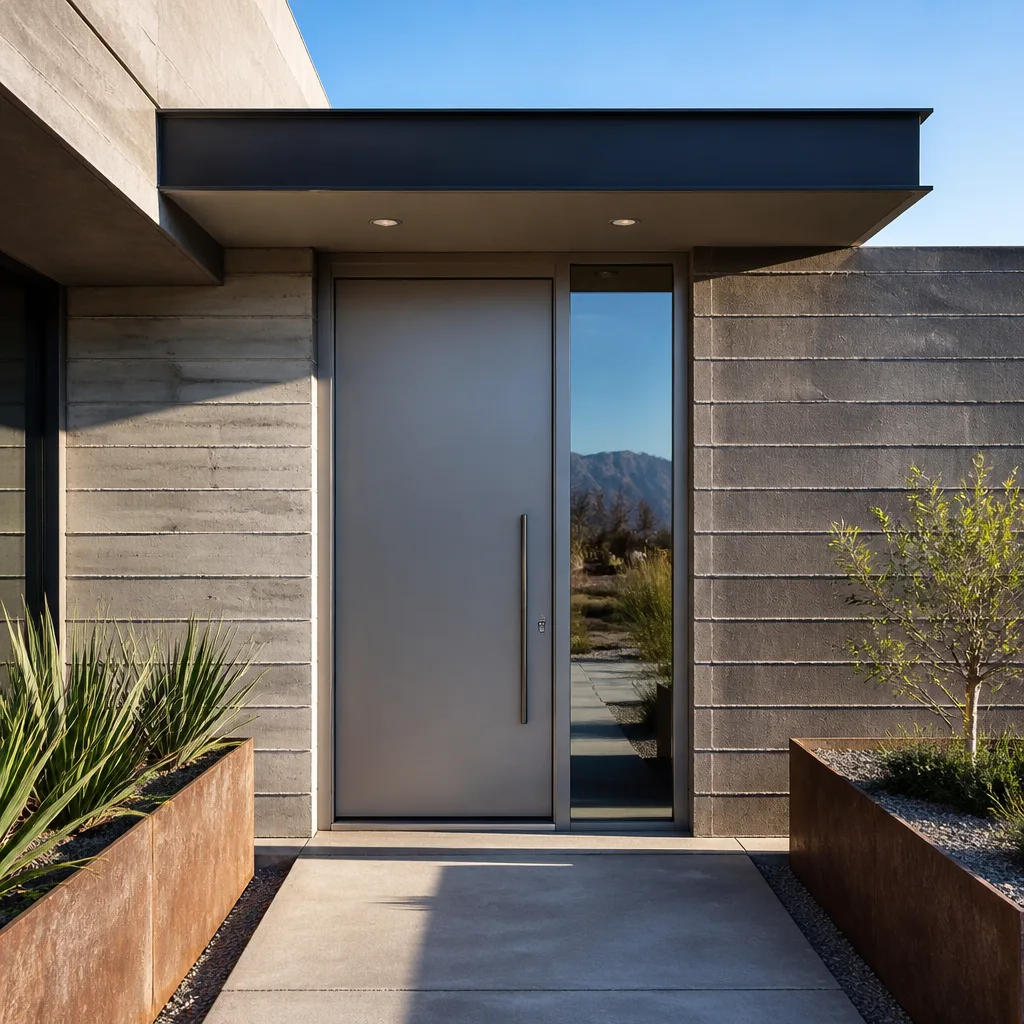
- Impact-rated entry door, Therma-Tru or comparable: $1,400 – $3,800 installed, depending on configuration and sidelites.
The breakeven calculation is straightforward. Take the per-opening premium for impact-rated glazing (for a whole-house package, often $6,000 – $15,000 above standard replacement depending on the opening count), then divide by the annual premium adjustment your carrier offers, if any.
- Step 1: Get the written impact upgrade premium from your installer as a line item, not a lump sum.
- Step 2: Call your carrier and ask specifically what documentation they need for an impact-glass credit, and what the credit is in dollars per year.
- Step 3: Divide the premium by the annual credit to get the payback period in years.
- Step 4: Compare that payback to the expected life of the glazing (typically 20+ years) and to the non-insurance value (wind protection, security, comfort).
In our experience, insurance savings alone rarely pay back the impact upgrade within a decade in Mesquite. The case for impact glass here is wind exposure, HOA requirements, and security, with insurance credit as a bonus when it applies. That’s a different case than coastal marketing makes, and it’s the honest one. See our window replacement in Mesquite page for a full comparison of replacement options.
HOA Requirements and Nevada Code Considerations
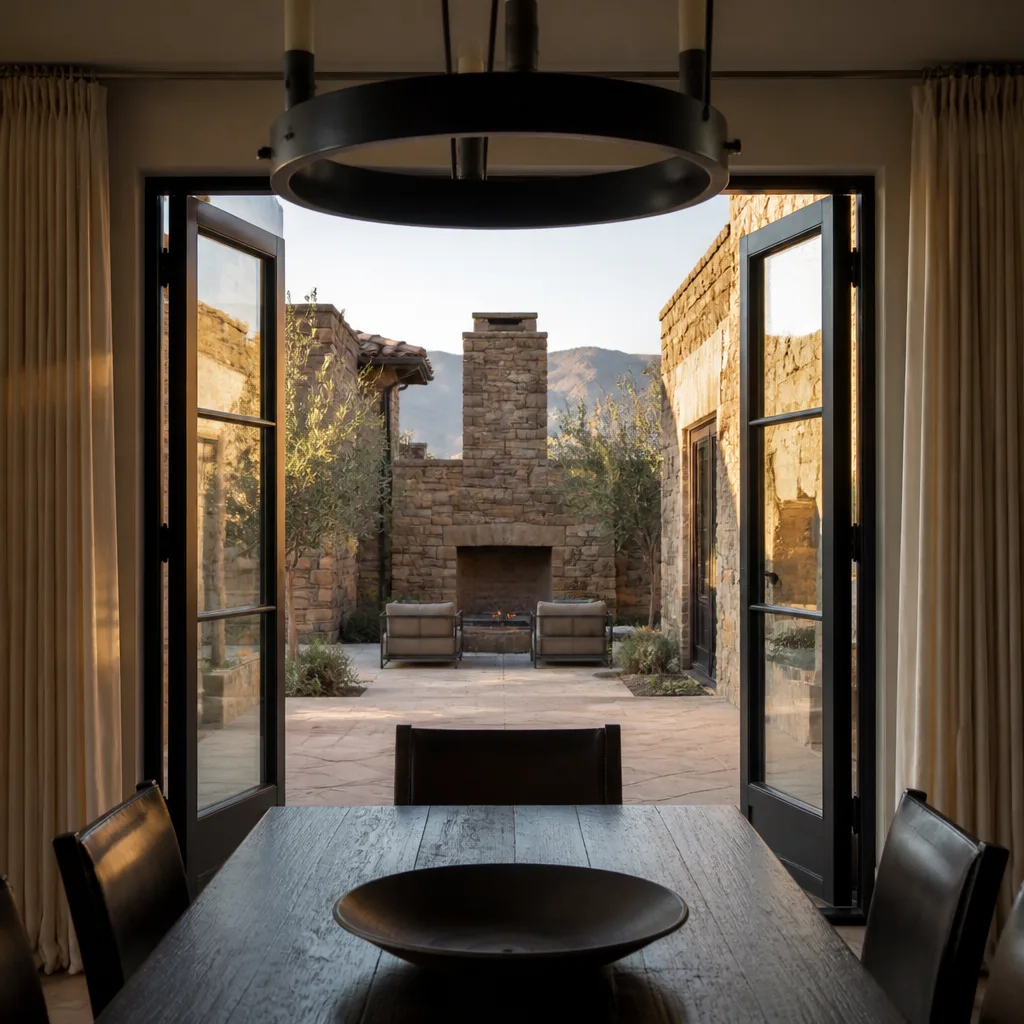
Mesquite residential window and door replacement is generally permitted work, and the local building department reviews structural changes, egress, and energy compliance. Two things are worth knowing before you order products:
- Egress: Any bedroom window replacement has to meet egress requirements for clear opening size and sill height. An impact-rated unit that meets the wind requirement but fails egress has to be re-specified. We verify egress on the measured survey, before the quote is written.
- HOA architectural review: Most Mesquite HOAs require approval for exterior changes. Some specify impact-rated or security-rated glazing on certain elevations; others specify frame color and grid pattern. The HOA approval has to precede the order, not the install.
We pull the permit and pass the inspection as standard on every replacement job under the Haven Standard. Haven Clause 4 (Evidence on Every Job) means the inspection record and the photo record travel together, so if the HOA or the insurer asks for proof later, the file exists. If you want to see how that works in practice, the Sightline Windows & Doors Mesquite home page walks through the process.
Why Installation Quality Determines Impact Performance
An impact-rated unit is a tested assembly, not a tested component. The test happened in a lab, on a specific frame, with specific anchorage, specific sealant, and specific fasteners. Change any of those in the field and the certification no longer describes what’s in your wall.
What that means in practice:
- The rough opening has to be square and flashed correctly. A DP-rated unit set into an out-of-square opening stresses the frame.
- Fasteners have to be the specified type and spacing. Undersized screws or wider spacing shortens the assembly’s effective rating.
- The perimeter seal has to be a proper sealant joint, not a thin bead. In Mesquite’s thermal cycling, a marginal seal fails in a few summers.
- The unit has to be shimmed and anchored per the manufacturer’s instructions, then verified with a photo record.
We keep the measured survey you receive, the written scope, and the photo record from every visit. Background-checked, uniformed technicians, identified by license number before arrival, do the work. If a problem surfaces within 365 days, the Done Right Promise means we make it right; it’s written into the Haven Standard, not offered as a courtesy. Our technicians have up to 14 years of experience.
For the full scope of what we install across eight categories, including energy-efficient and custom work, the installation page lays out the tiers. Product lines we specify across the impact and standard categories include PGT, CGI, CWS, and ES Windows; each is specified by what the opening requires, not by what’s in stock.
Common Mistakes to Avoid
- Buying “impact-rated” without the certificate. The label on a brochure is not a DP rating. Ask for the ASTM E1886/E1996 test report and the DP number before you sign anything, and verify the certificate matches the product you’re buying.
- Assuming Miami-Dade certification is required in Mesquite. It usually isn’t for residential work. It’s a stronger certificate that costs more, and it’s worth paying for only if an HOA or insurer specifies it.
- Skipping the carrier documentation call. Some Nevada carriers offer an impact-glass credit, some don’t, and the ones that do need specific paperwork. A phone call to your agent before you order saves you from a payback calculation built on an assumption.
- Specifying the interlayer and forgetting the Low-E coating. In Mesquite’s solar exposure, an impact unit without a properly specified Low-E coating can run hotter than the standard unit it replaced. Specify both, and check the U-factor and SHGC on the actual product data sheet.
- Letting the HOA review happen after the order. Architectural approval has to precede the order. An HOA rejection after the units are made is a costly re-spec, and it happens more often than it should.
- Skipping the measured survey. Window and door replacement is a measurement business first. A quote written from an old drawing or a rough tape measure will differ from reality, which is why our measured survey and the written quote are the same document.
- Comparing the total package instead of per-opening pricing. A whole-house total hides the per-opening premium. Get the line-item cost for each impact opening so you can do the breakeven math yourself.
When to Call a Professional
Call a professional when the opening’s exposure is uncertain, when the HOA specification names a certification you don’t recognize, when the wind rating on a quoted product doesn’t match your home’s exposure category, or when you’re replacing a failed unit and need to know whether the frame can stay. These are measured questions, not judgment calls. A measured survey answers them before money is committed. Sightline Windows & Doors Mesquite offers free estimates in Mesquite, and a free second opinion on any written estimate you’ve already received: bring us a competitor’s quote and we’ll review it at no charge. Call (888) 268-5117 to schedule. Estimates are free, and the written price comes before any work starts.
Frequently Asked Questions
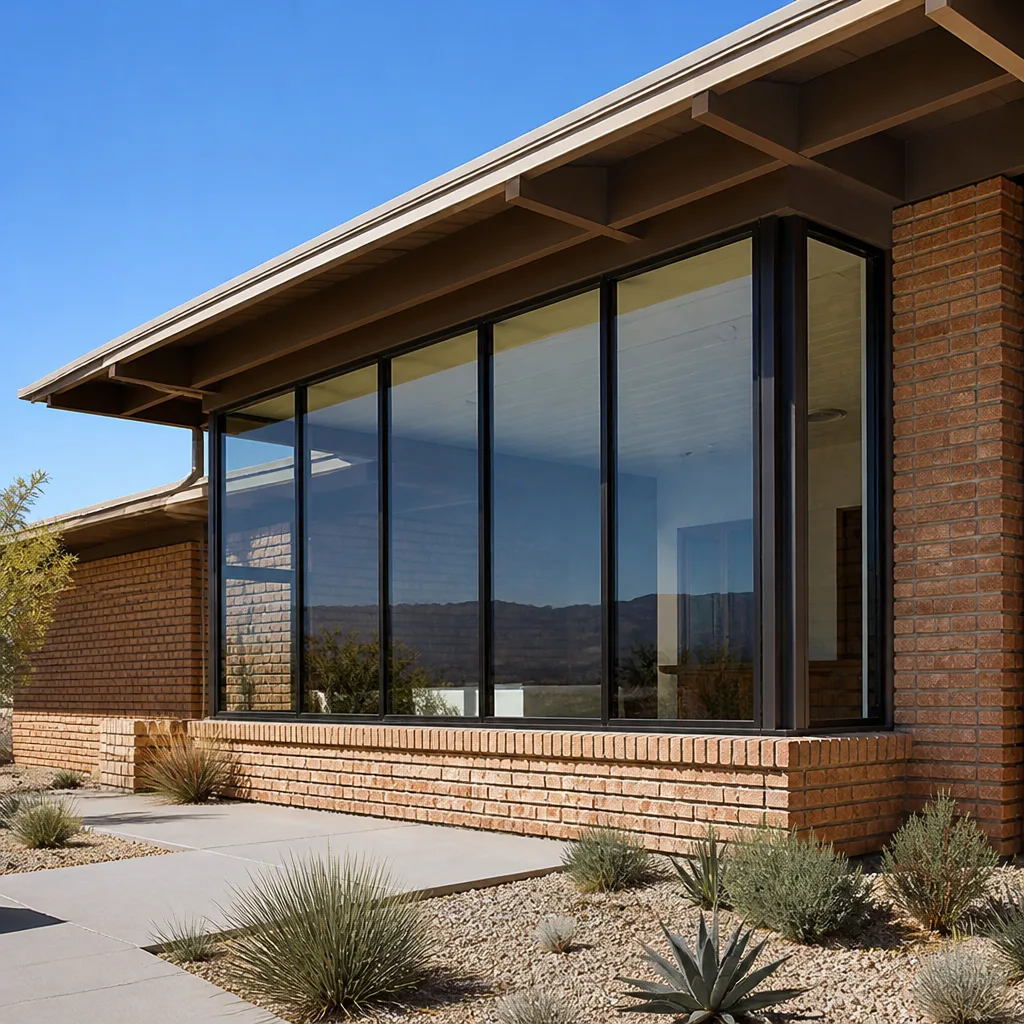
Impact-rated single-hung windows in the Mesquite market typically run $950 – $1,900 per opening, installed, compared with $550 – $1,100 for standard Low-E replacement. Impact-rated patio doors run $2,800 – $5,500, and impact entry doors $1,400 – $3,800. Call (888) 268-5117 for an exact written quote on your openings; the estimate is free.
Need is the wrong word; the case is exposure-driven. The Virgin River corridor generates 70 – 90 mph wind events that can carry debris, some Mesquite HOAs now specify impact or security-rated glazing, and some Nevada carriers credit the upgrade. If your home faces open exposure or your HOA has adopted a specification, impact glazing is worth evaluating. Call (888) 268-5117 to have your exposure assessed.
Possibly, but not reliably. Some Nevada carriers offer a documented premium adjustment for impact-rated glazing, typically in the low hundreds of dollars per year when it applies; others don’t recognize the upgrade. The carrier usually wants the manufacturer’s certification, the test report, and an installation record. Call your agent before ordering, and call (888) 268-5117 for the line-item upgrade cost you’ll need for the breakeven math.
ASTM E1886/E1996 is the standard missile-impact and cyclic-pressure test method used broadly in residential wind-borne debris regions; Miami-Dade approval applies a stricter protocol and is the coastal gold standard. For most Mesquite residential work, ASTM E1886/E1996 with a DP rating that matches your exposure category is the appropriate specification. Miami-Dade is worth the extra cost only when an HOA or insurer requires it. Call (888) 268-5117 with your address and we’ll quote the appropriate tier.
They can, but only if the Low-E coating is specified correctly alongside the impact interlayer. The laminated interlayer changes the thermal profile, and a unit specified for a coastal exposure can have an SHGC that’s too high for a west-facing Mesquite window. Ask for the U-factor and SHGC on the actual product data sheet. Call (888) 268-5117 for a specification review tied to your window orientations.
No. Under the Haven Standard, the measured survey and the written quote are the same document, so the price is fixed before any work starts. Any change to scope is a written change order you approve first, not a surprise on the invoice. Call (888) 268-5117 to schedule your free estimate and see the written price before you commit.
The Bottom Line
Impact-rated glazing in Mesquite is a wind, security, and HOA decision, with insurance credit as a possible bonus rather than a reliable return. Get the certificate and the DP rating, verify the U-factor and SHGC against the actual window orientations, ask your carrier what documentation they need before you order, and do the per-opening breakeven math with real numbers. The Mesquite market doesn’t reward coastal marketing claims; it rewards products that match the exposure and installers who document what they did. Written price before any work starts, a photo record after, and a 365-Day Done Right Promise on every job: that’s the Haven Standard, and it’s the standard we hold on every opening in Mesquite.
Ready to see the numbers on your own home? Call (888) 268-5117 for a free estimate. A live person answers, and the written price is in your hands before anyone picks up a tool.
Written by the team at Sightline Windows & Doors Mesquite.
Six Reasons Homeowners Choose Sightline Windows & Doors Mesquite
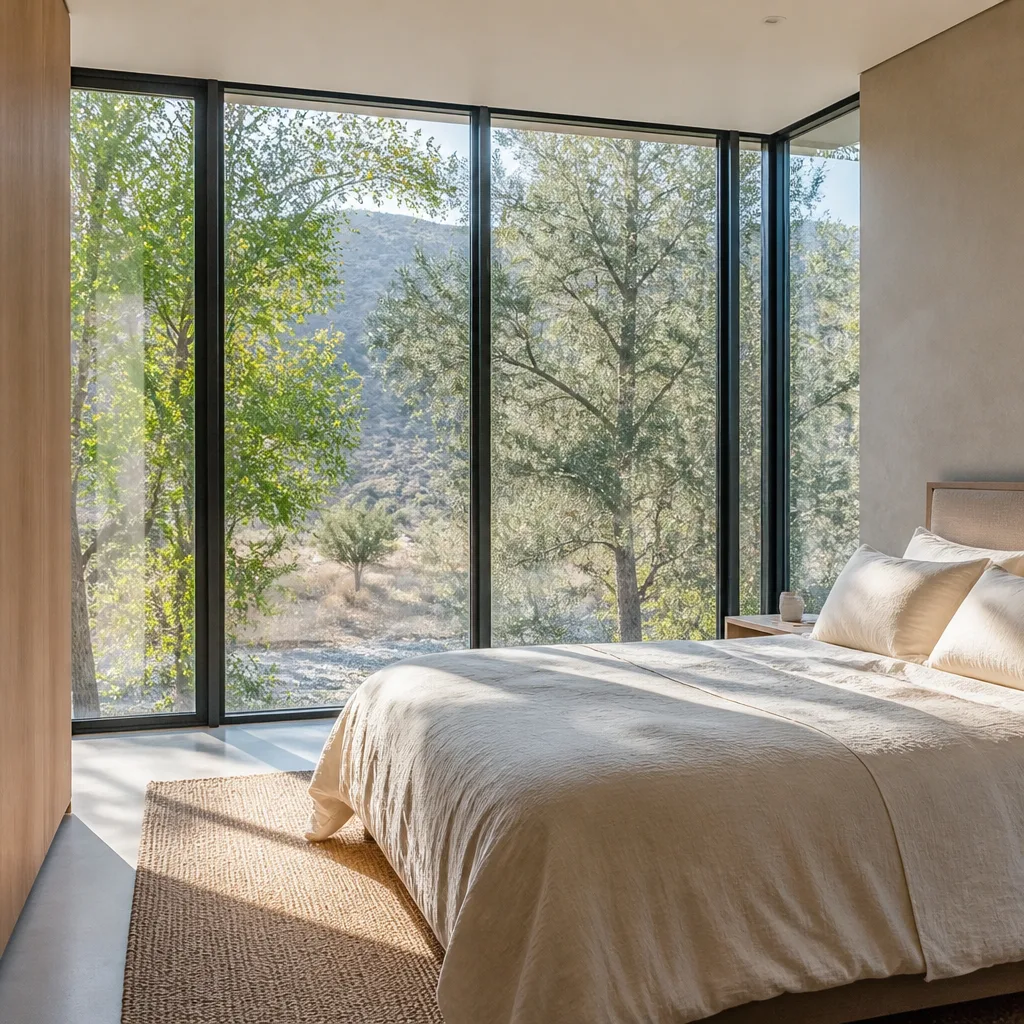
Laminated glass and reinforced frames hold up to wind-driven rain, hail and flying debris, so your openings stay sealed when the weather turns.
Low-E insulated impact glass from our manufacturer lines commonly cuts monthly cooling bills 20-30%.
Laminated impact glass shuts out up to 40% of outside noise - traffic, neighbors, weather.
Monitoring services run $30-90 a month. Laminated impact glass resists forced entry around the clock, with no subscription.
Tighter seals and insulated glass even out hot and cold rooms and stop the drafts at the frame.
A full impact package upgrades curb appeal, buyer confidence and appraised value in one project.
Other Sightline Windows & Doors Mesquite Services
What Neighbors Say About Sightline Windows & Doors Mesquite