Last updated November 18, 2026
New windows and doors improve comfort, cut energy bills and add long-term value to your home. Sightline Windows & Doors Mesquite pairs proven product lines with a local vetted installing partner for lasting performance - and a price put in writing.
Choose your installer
The unit is half the job - the install is the other half. Background-checked local installers measure, set, seal and insulate every opening, and they know the lines we quote inside and out.
Select the right products
Compare styles, materials and glass packages side by side until the fit is right for your rooms, your budget and your goals. The product-line comparison below is the place to start.
Prepare your home for install
Before install day we walk you through a short checklist - furniture pulled back, treatments down, a clear path to each opening - so install day is watch-it-happen, not scramble.
Compare the Lines We Quote
Every project is priced on the same lines, side by side - the price indicators below are relative, and your consultant shows exact numbers on your actual openings.
PGTThe line homeowners arrive naming - the most impact certifications in the industry$$$
- More impact certifications than any other line we quote
- WinGuard, EnergyVue and ClassicVue Max systems built for every wind zone
- 99% on-time delivery keeps your install date on the calendar
CGIThe heavyweight impact line$$$$$
- Large-missile impact ratings for the strictest wind zones
- Architectural-grade aluminum with commercial-depth frames
- The line we quote when protection is the whole point
CWSThe value pick$$
- Vinyl systems built to strict wind codes
- Strong energy packages at the friendliest price point
- The smart start for whole-home replacements on a budget
ESWSlim lines, big glass$$$$
- Narrow-sightline aluminum for modern elevations
- Oversized openings and floor-to-ceiling glass
- Impact-rated without the bunker look
ECOThe aluminum impact workhorse$$$
- Factory-built aluminum impact systems
- A strong price-to-protection ratio for coastal homes
- Proven lines with short lead times
Impact Windows & Doors Troubleshooting: Common Problems and How to Fix Them
Here’s the claim that surprises most homeowners: a brown or amber band creeping in from the edge of an impact glass unit is usually not a defect. It’s interlayer discoloration at the edge seal, and standard impact glass warranties exclude it unless the unit was installed with correct edge clearance from day one. That single fact separates a covered claim from a denied one. In this guide we’ll walk through the failure modes specific to impact glazing – laminate delamination, interlayer UV behavior, hardware stress from added unit weight, craze cracking versus structural failure, label verification, and operational adjustments on impact doors – with the field checks we run across Mesquite and the wider metro.
Quick Answer
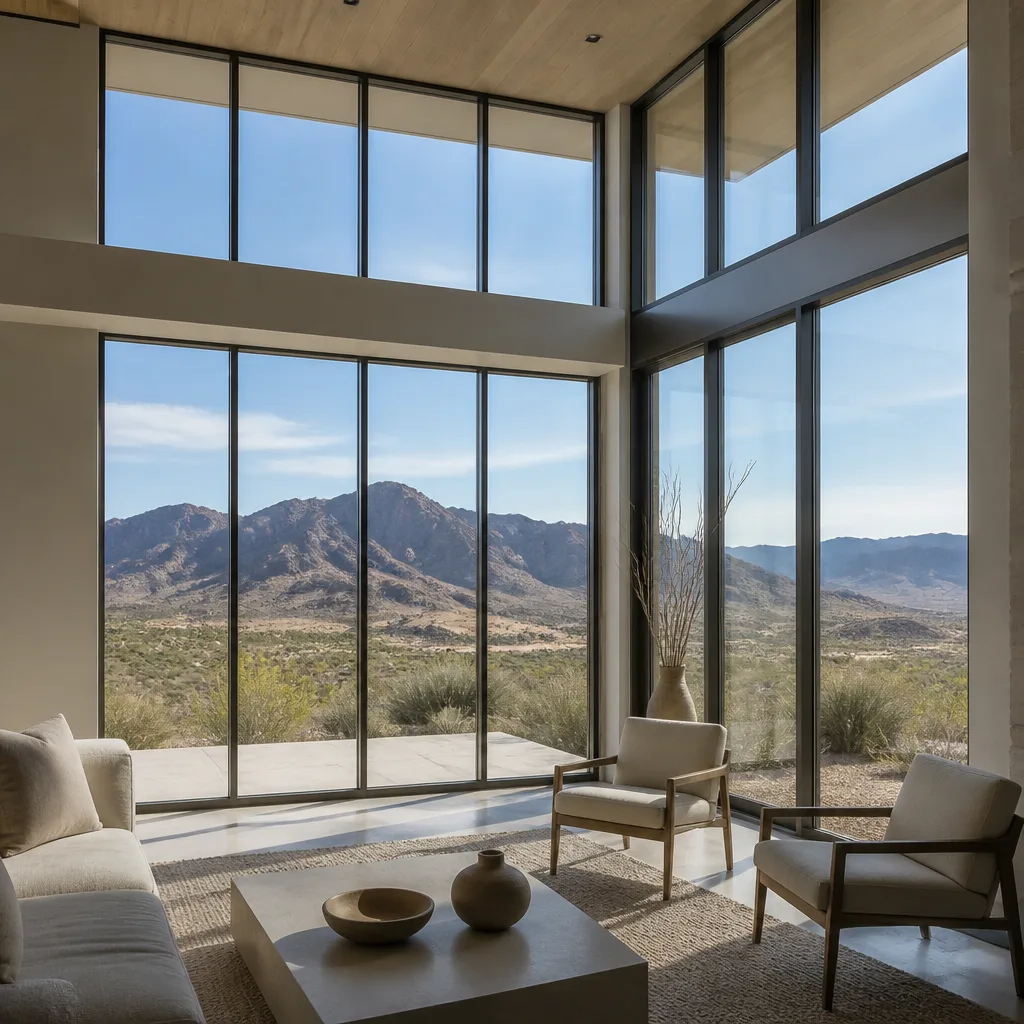
Most impact window and door problems fall into two buckets: laminate and edge-seal issues on the glass itself, and hardware or alignment issues caused by the extra weight of an impact unit. Edge discoloration, delamination bubbles, and seal breakdown are usually warranty or installation-clearance questions, while hinge sag, roller wear, and multipoint lock misalignment are almost always hardware or adjustment issues. Knowing which bucket a symptom belongs to determines whether you call for a service visit or a warranty claim – and that distinction is rarely explained clearly after the sale.
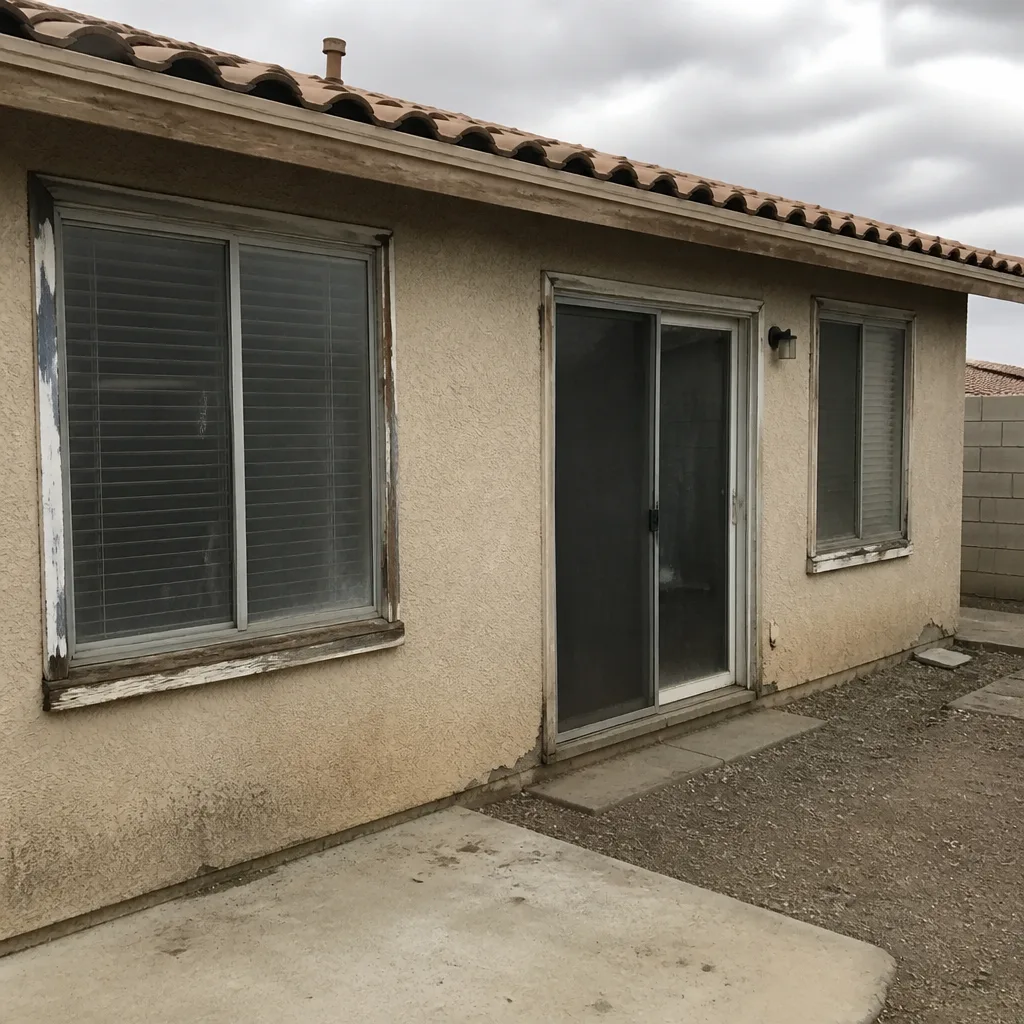 Before
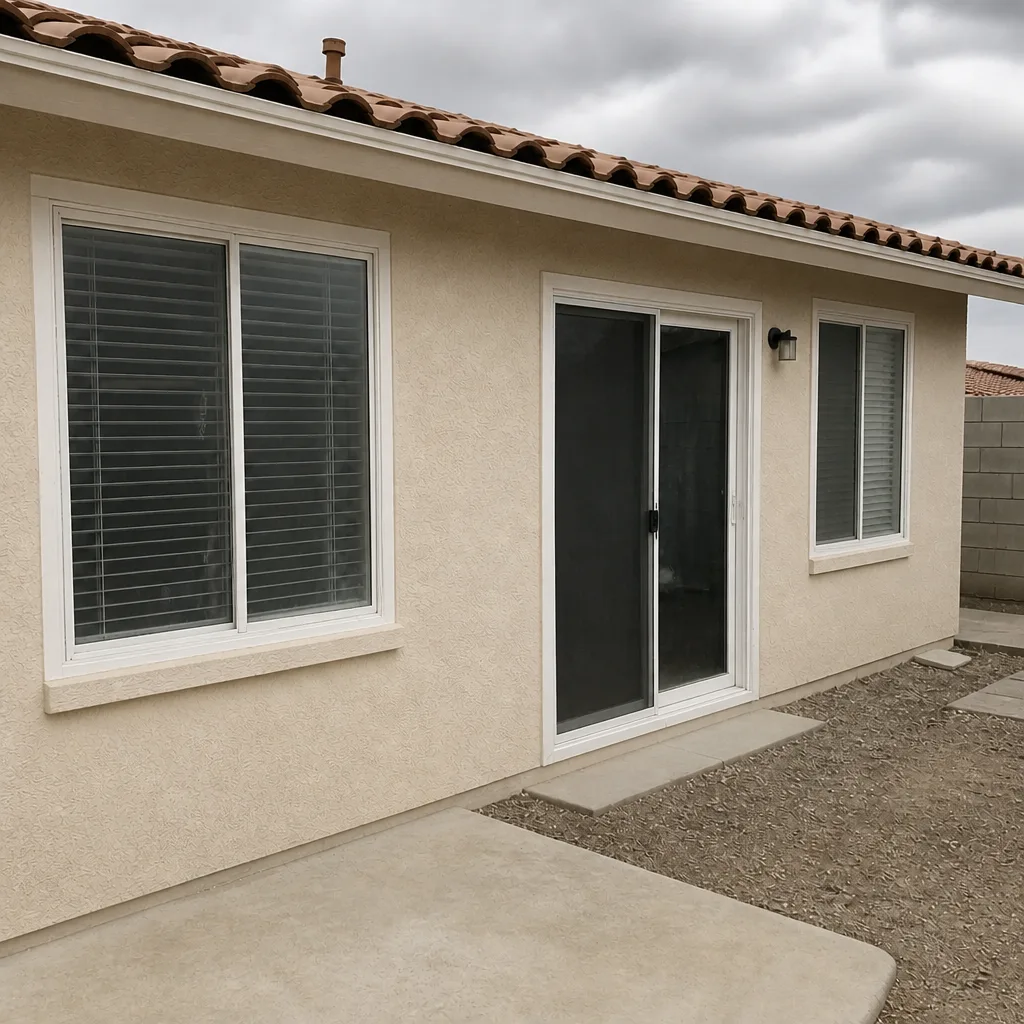 After
Table of Contents
- Interlayer Discoloration, Delamination, and Edge Seal Breakdown
- Hardware Stress Failures Unique to Impact Units
- Craze Cracking vs. Structural Laminate Failure
- How to Verify the Installed Unit Matches the Contract
- Operational Difficulty in Impact Doors
- Seasonal Behavior: Heat, UV, and Thermal Load in Mesquite
- Documenting a Problem Before You Call
Interlayer Discoloration, Delamination, and Edge Seal Breakdown
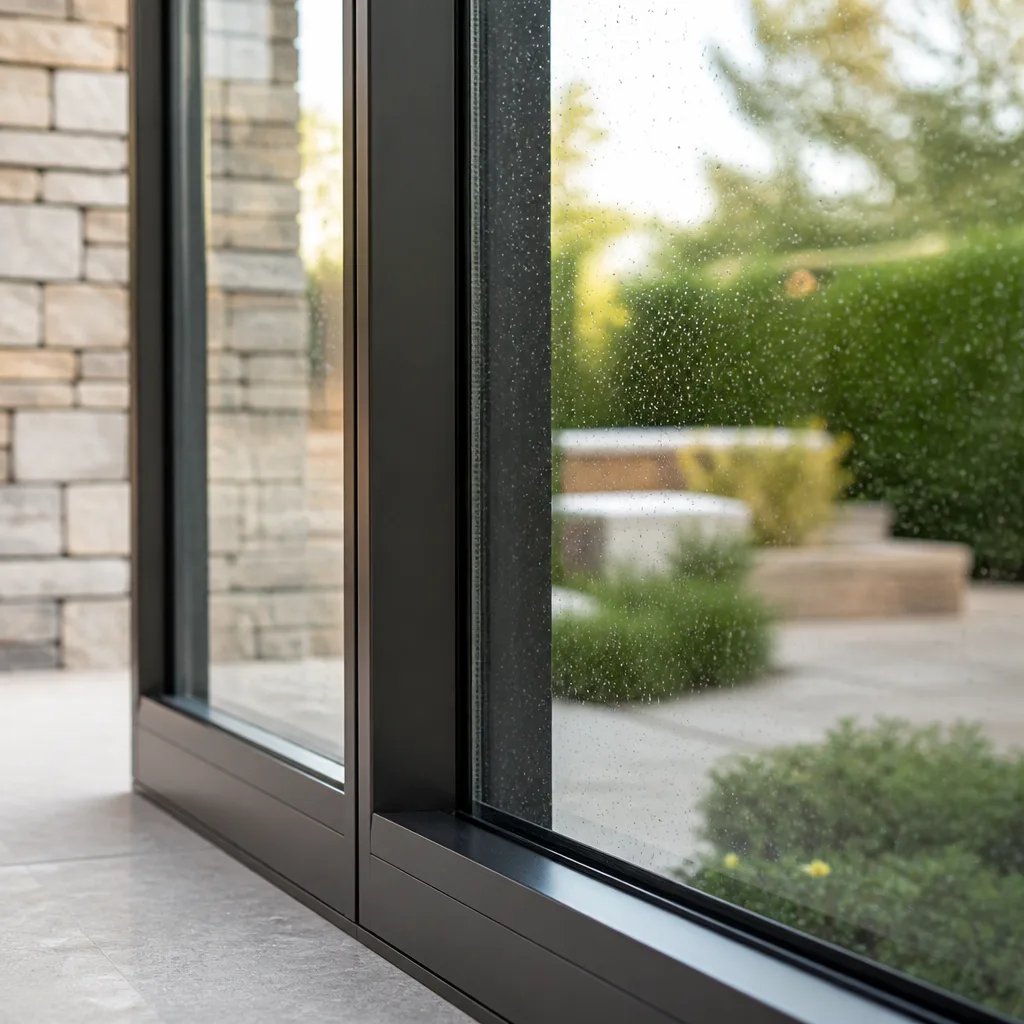
Impact glass is a laminated assembly: two panes bonded to a plastic interlayer (usually PVB in residential product, sometimes SGP for higher ratings), with a sealed edge around the perimeter. The interlayer is what holds the glass together on impact. It’s also the component most sensitive to UV and heat, and the place most homeowner complaints start.
Here’s what each failure looks like, and who owns the fix:
- Edge discoloration (yellow, amber, brown). A band within roughly ½ inch to 1 inch of the glass edge. It’s interlayer degradation from UV reaching the edge seal. It’s cosmetic, it doesn’t compromise impact rating in most cases, but it’s excluded from a lot of standard warranties. If it appeared early and the unit was set with insufficient edge clearance from the frame, that’s an installation issue, not a glass defect.
- Delamination bubbles or haze. Visible air pockets or milky patches under the glass surface, usually growing inward from the edge. This points to moisture reaching the interlayer through a failed edge seal. Where it starts and how fast it grows tells you whether the seal failed in the field (installation or drainage) or at the factory (a claim).
- Edge seal breakdown. A chalky, whitish, or crumbling bead along the perimeter under the glazing gasket. It allows moisture in and is often the root cause of the delamination above. In our experience, glazing gasket degradation is the most common trigger, and it’s a maintenance item most homeowners never inspect.
In Mesquite, where summer UV is intense and glass surfaces regularly see 160°F+ surface temperatures, edge-seal condition matters more than in cooler climates. A unit installed with the correct edge clearance and the right gasket material will hold up; a unit installed tight against the frame or with a thin gasket will discolor within a few summers. That’s why we document edge clearance on the measured survey before the unit goes in.
Hardware Stress Failures Unique to Impact Units
An impact-rated unit weighs meaningfully more than a standard unit of the same size – often 1.5 to 2 times the weight once you account for the laminated glass and heavier sash. That extra load lands on hinges, rollers, pivots, and strike hardware that were frequently specified for standard glazing on older openings.
When hardware isn’t rated for the weight, you’ll see it fail early in predictable ways:
- Hinge sag on casement and awning units. The sash drops a few millimeters at the lock side. It starts as slightly stiff operation, becomes a snag on the strike, then the latch won’t catch.
- Roller flat-spotting on sliding units. The panel drags, feels heavy at one end, or thumps as it rolls. A roller rated for 40 lbs can’t carry a 70 lb impact panel for long.
- Pivot pin wear. Vertical play appears at the pivot, the panel rubs the jamb, and water begins to enter at the head. This is the one homeowners most often miss until it’s caused secondary damage.
- Strike plates backing out. Screws loosen under repeated load, the lock feels loose, and the frame around the strike starts to show stress cracks.
The reason this matters for warranty claims: manufacturers spec hardware by unit weight, and if the installed hardware doesn’t match the spec, the failure is usually excluded. If you’re in an older Mesquite neighborhood where the original openings were framed for lighter units, this is worth checking on any impact upgrade. Our team sizes hardware against the unit rating and documents the specification in the written scope before install, which is the only way to keep a hardware failure inside the warranty.
Craze Cracking vs. Structural Laminate Failure
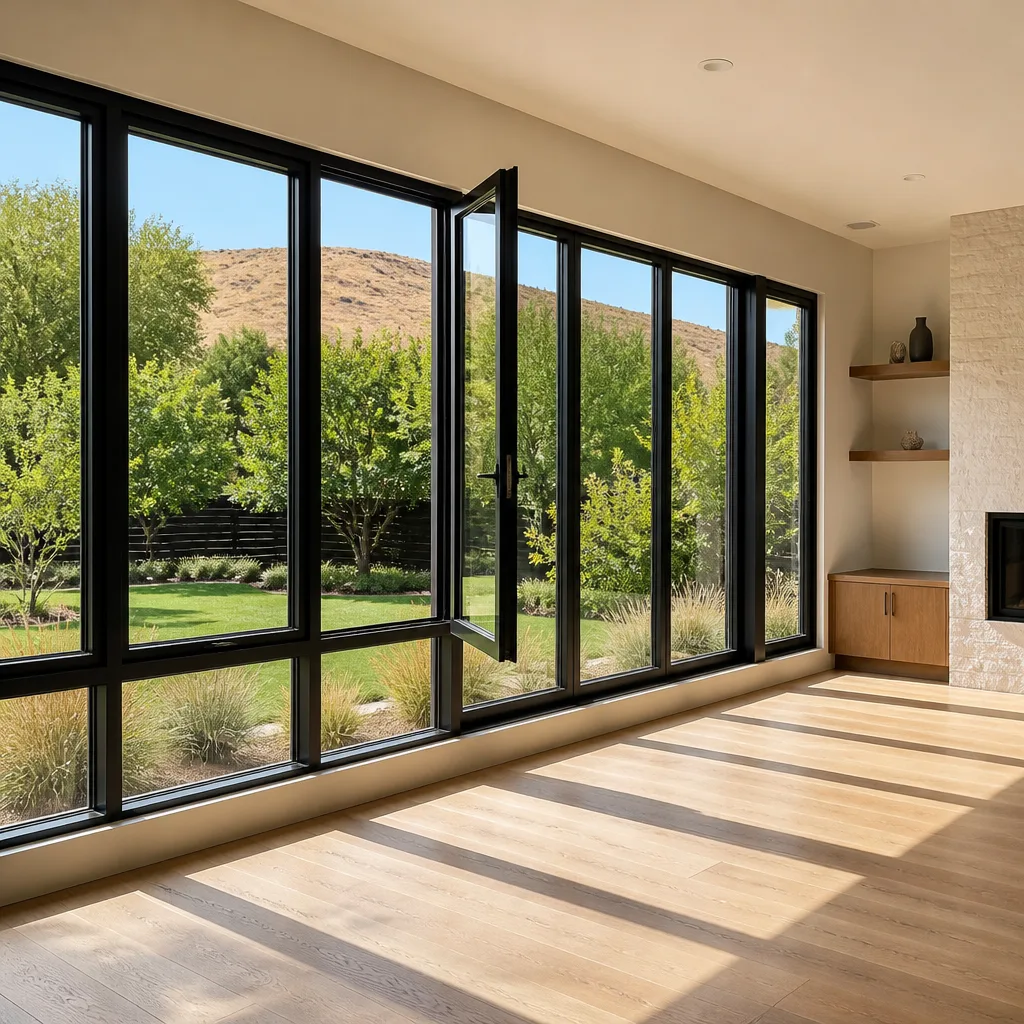
Two symptoms look similar in photographs and have completely different causes, warranty responses, and safety implications.
Craze cracking is a network of fine, shallow cracks across the surface of the glass – almost like a spiderweb drawn with a fine pen. It’s a surface phenomenon, usually caused by thermal stress at the glass surface or by chemical exposure during construction (paint thinner or adhesive overspray). It looks alarming but does not compromise the impact rating, and in most cases it’s a glass supplier decision. It rarely spreads.
Structural laminate failure is different. The interlayer has separated from the glass across a meaningful area, or the edge seal is completely gone and the two panes aren’t bonded. It shows as milky separation across the panel, not the surface. The unit is no longer providing its impact rating, and if it’s on a door or a low window, that’s a life-safety issue, not a cosmetic one. It requires replacement, and in some cases the correct response is a warranty claim on the manufacturer rather than a service call.
If you’re not sure which you’re looking at, the field test is simple: craze cracking doesn’t move when you run a fingernail across it, while delamination shows as a discolored or hazy patch you can see from an angle. When we’re called out to look at “cracks” on an impact unit in Mesquite, we inspect under a raking light and photograph the panel with a straight edge to establish whether the issue is surface or laminate. Text us the photos and we can usually tell you which it is before we send anyone.
How to Verify the Installed Unit Matches the Contract
This is the check almost no homeowner runs, and it’s the one that decides most warranty claims. The installed impact unit should carry a permanent manufacturer label that identifies the product, the performance rating, and the certification. If the label is missing, damaged, or doesn’t match what’s on your contract, you have no clean warranty path later.
- Locate the label. On most certified impact units, it’s on the interior face of the glazing or on the head jamb. On doors, check the hinge stile and the top rail. Photograph it once, well-lit, on installation day.
- Compare it to the spec sheet. The label should show the unit rating (wind load, impact class) and product designation. The spec sheet from your written quote should match.
- Check the certification mark. Impact units carry third-party certification marks – look for the approved testing body logo. If it’s missing, the unit isn’t certified.
- Confirm hardware match. The hinge and lock hardware on the unit should be the model specified for that unit’s weight. It’s often stamped or labeled.
If you’re preparing to buy in Mesquite, ask to see the label on a sample of the same unit line before you sign anything. On our installs, we photograph the label on every impact unit as part of the documented photo record for the job, so the certification evidence travels with the homeowner’s file – not with us. That’s the practical application of Have it in writing: what goes into the wall should be what’s on the paper.
Operational Difficulty in Impact Doors
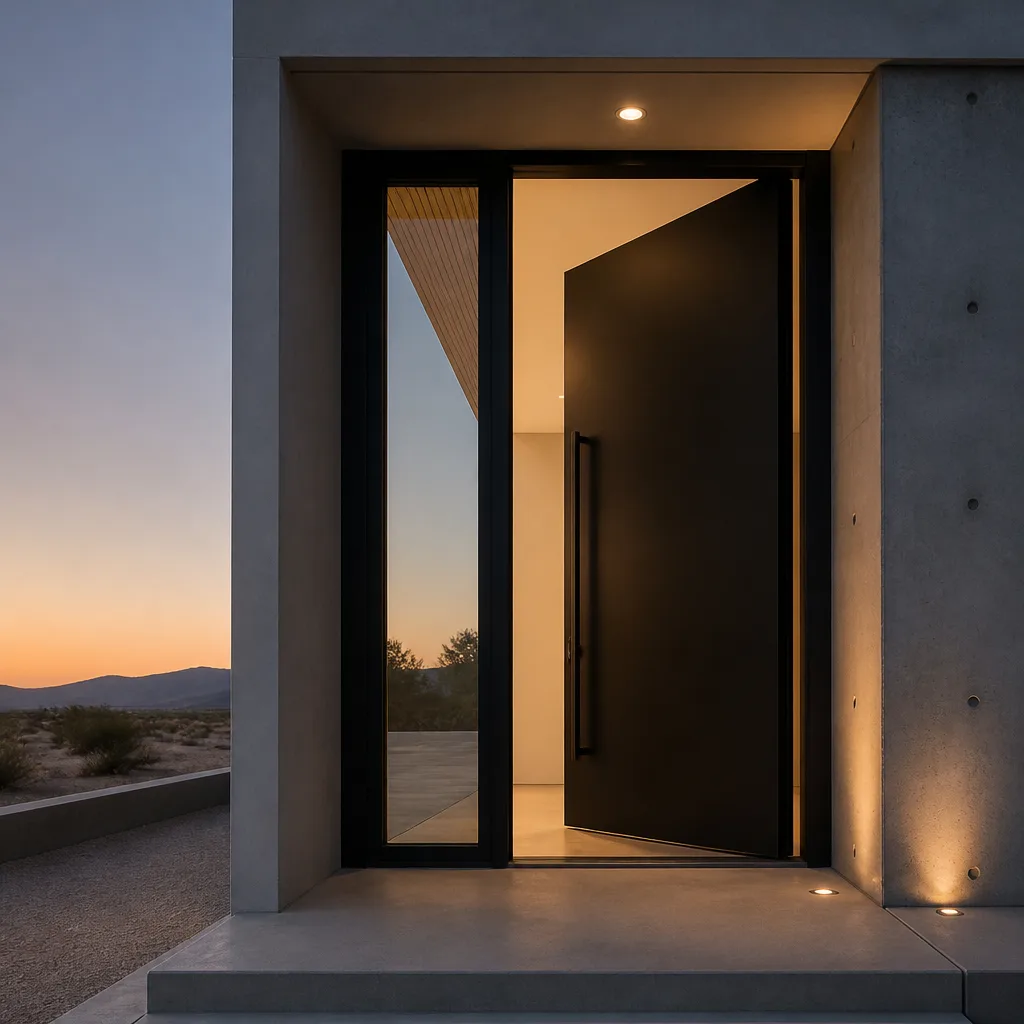
Impact doors – especially hinged patio and entry doors – have more adjustment points than impact windows, and they need more attention across the first year. Three symptoms cover most complaints, and the fix is different for each.
Threshold drag. The door bottom scrapes the threshold or the sweep fails to clear a mat. In most cases this is an adjustable threshold sill, and a ½-turn on the adjustment screws resolves it. If drag appears within a few weeks of install, it’s an adjustment issue, not a defect. If it appears after several years, it’s usually weatherstripping compression or slight settling.
Multipoint lock misalignment. The door closes but the upper or lower lock point won’t engage, or the handle feels stiff in the swing. This is one of the most common impact door complaints, because the door has locked points at three or more locations that all need to align within a couple of millimeters. If it appeared after install, it’s adjustable at the strike. If it appeared months later, thermal expansion at the lock side is a plausible cause – a well-set door accommodates that.
Frame racking under thermal load. The door sticks in summer and swings free in winter. This is frame racking, and some racking is normal on a south- or west-facing door in southern Nevada. What’s not normal is a door that won’t latch at all in the afternoon heat. That indicates the frame is out of square, which is an installation issue, not a weather issue, and needs to be corrected by pulling and re-shimming the frame – not by planing the door.
Therma-Tru doors and ES Windows impact units we install in Mesquite both come with threshold and strike adjustment built in. We tell every customer at handover which adjustments they’ll want to make themselves and which should be a call to us. We keep the ones that require removing the door on our side.
Seasonal Behavior: Heat, UV, and Thermal Load in Mesquite
Impact glazing behaves differently in different climates, and Mesquite is a demanding test case. Weeks of 110°F+ highs, high UV index, and rapid day/night temperature swings press on every part of the unit.
- Edge discoloration accelerates on west- and south-facing glass, sometimes within three to four summers on units installed tight in the frame.
- Gasket material hardens faster, so glazing gasket maintenance is a real annual item, not a marketing add-on.
- Doors rack noticeably through the afternoon; a door installed in January can bind by July if the frame wasn’t shimmed for thermal movement.
- Hardware on exterior doors picks up pitting and finish degradation faster than in coastal or temperate climates, which is cosmetic but visible.
The correct response in each case is maintenance or adjustment, not replacement. If you’re seeing discoloration along the edge, have the glazing gasket inspected before assuming the glass has failed. If you’re seeing door binding that doesn’t resolve with threshold adjustment, that’s a call for a frame inspection. If you’re seeing the panel itself fail structurally, that’s a claim – and you’ll want the label photo and the photo record.
Documenting a Problem Before You Call
The fastest way to get a warranty claim approved – or a service visit scheduled efficiently – is a clean photo record. Here’s what to gather before you call anyone:
- Wide shot of the whole unit, in daylight, from inside and outside.
- Close-up of the problem area, with a straight edge or coin for scale.
- The manufacturer label on the glass or jamb, legible and in focus.
- The written contract or quote showing the spec that was sold.
- Date and weather conditions when the problem appeared (door sticking on a 112°F afternoon tells us a lot).
This is also the discipline we bring to our own jobs: every completed install leaves a documented photo record, which we share with the homeowner. If a claim comes up later, that record is the first thing the manufacturer asks for. Every job we complete is covered by our 365-Day Done Right Promise, and the photo record is what makes that promise concrete – not a verbal assurance.
If you’re considering an upgrade and want to understand what you’re buying before any of this becomes a problem, our Sightline Windows & Doors Mesquite home page lays out the full product range, and our window installation in Mesquite and door installation in Mesquite pages cover the measured survey and the written-price commitment that sit under every job. If you’re replacing existing units rather than installing new ones, window replacement in Mesquite walks through the process from measurement to final inspection.
Common Mistakes to Avoid
- Assuming edge discoloration is a defect claim. It’s usually excluded from standard impact glass warranties, and filing it as a defect rather than a maintenance item usually results in a denial and a wasted service visit.
- Never photographing the label on install day. Without the label photo, warranty claims get held up for weeks while the manufacturer tries to establish which product is actually in the wall.
- Treating door binding with a plane. A door that won’t latch in July heat is a frame racking issue. Planing the door shaves material you can’t put back, and makes the warranty claim harder.
- Ignoring gasket condition. Glazing gasket degradation is the leading cause of edge seal failure in Mesquite, and it’s visible and cheap to inspect early.
- Replacing impact hardware with standard hardware when it fails. A hinge or roller rated for standard glazing will fail again in months. Match the spec.
- Filing a laminate failure claim without the spec sheet. The manufacturer needs to see what rating was sold. The written scope is your side of that conversation.
- Assuming all impact units are certified. The certification mark matters, and units without one aren’t rated. Ask for the label before purchase, not after.
When to Call a Professional
Call right away if you see structural laminate separation across an impact panel – especially on a door or a low window, where the unit is doing life-safety work. Call if a door won’t latch at all, if water is entering at a door head, or if you see hinge sag or pivot wear that’s already caused the panel to rub the jamb. Call if you’re not sure whether what you’re looking at is craze cracking or laminate failure – the field test is simple but the response is completely different. And call before you attempt to replace a hinged impact door yourself: the weight is real, the alignment tolerances are tight, and a badly rehung door is a warranty argument you cannot win. Sightline Windows & Doors Mesquite offers free estimates in Mesquite – call (888) 268-5117, and we’ll take a look at what’s actually happening before you commit to any work.
Frequently Asked Questions
That’s interlayer discoloration at the edge seal, caused by UV exposure reaching the plastic layer between the glass panes. It’s a maintenance observation rather than a glass defect in most cases, but whether it’s covered depends on edge clearance at install. If the unit was set with correct clearance, discoloration may still appear over time – it’s not usually a warranty item. Call (888) 268-5117 for a free inspection and we’ll tell you whether it’s a maintenance item or a claim.
Ask for the spec sheet and check the hardware model against it – most hardware is stamped or labeled on the hinge or roller. If the installed hardware doesn’t match the spec, warranty coverage on the failure is usually in question. In Mesquite, therm-Tru and ES Windows impact units both label their hardware, so the check is straightforward. Call us for a free review of your documentation.
Craze cracking is a shallow surface phenomenon – fine cracks across the glass face, usually thermal or chemical, that don’t compromise the impact rating. Laminate failure is separation in the plastic interlayer itself, showing as a milky or hazy patch under the glass surface, and it does compromise the rating. Craze cracking doesn’t spread; laminate failure can. Call (888) 268-5117 if you’re not sure which you’re seeing – we’ll identify it in minutes.
Some seasonal movement is normal, especially on a west- or south-facing door that sees afternoon surface temperatures above 150°F. A door that won’t latch at all in the heat is not normal, and it usually indicates frame racking that needs re-shimming. Call (888) 268-5117 and we’ll check the frame and strike alignment for a free estimate.
Yes – installs run year-round, including through summer. The install crew sets the frame for thermal movement at the temperature the unit will see through the year, and door adjustments give you room for the seasonal cycle. If your current unit was installed in a cooler month and is binding now, the frame may simply need the shimming corrected. Call for a free estimate to review it.
It depends on the cause and the manufacturer. Seal failure that originated at the factory can be a valid claim; seal failure caused by glazing gasket degradation or installation error usually isn’t. That’s why the early photo record and the spec sheet matter. Call (888) 268-5117 and we’ll review what you have before you file – especially if you have a written estimate from a different installer, since we offer a free second opinion on any written quote.
The Bottom Line
Impact windows and doors fail in distinct ways – interlayer discoloration, delamination bubbles, edge seal breakdown, hardware stress from added unit weight, craze cracking, and door frame racking under heat. The critical skill is not fixing them all yourself; it’s knowing which failure belongs to whom. Maintenance items (gasket condition, threshold adjustment, occasional re-shimming) are yours. Claim items (structural laminate failure, hardware rated correctly but failed early) are the manufacturer’s – and you win those only with the spec sheet, the label photo, and the install photo record. Keep those three, and you’ll rarely be on the wrong side of a claim.
Call Sightline Windows & Doors Mesquite at (888) 268-5117 for a free estimate. We’ll bring a written price before any work starts, a documented photo record when it’s done, and a live person on the line at any hour. That’s the Haven Standard, and it holds on every job.
Written by the team at Sightline Windows & Doors Mesquite.
Six Reasons Homeowners Choose Sightline Windows & Doors Mesquite
Laminated glass and reinforced frames hold up to wind-driven rain, hail and flying debris, so your openings stay sealed when the weather turns.
Low-E insulated impact glass from our manufacturer lines commonly cuts monthly cooling bills 20-30%.
Laminated impact glass shuts out up to 40% of outside noise - traffic, neighbors, weather.
Monitoring services run $30-90 a month. Laminated impact glass resists forced entry around the clock, with no subscription.
Tighter seals and insulated glass even out hot and cold rooms and stop the drafts at the frame.
A full impact package upgrades curb appeal, buyer confidence and appraised value in one project.
Other Sightline Windows & Doors Mesquite Services