Last updated November 18, 2026
New windows and doors improve comfort, cut energy bills and add long-term value to your home. Sightline Windows & Doors Mesquite pairs proven product lines with a local vetted installing partner for lasting performance - and a price put in writing.
Choose your installer
The unit is half the job - the install is the other half. Background-checked local installers measure, set, seal and insulate every opening, and they know the lines we quote inside and out.
Select the right products
Compare styles, materials and glass packages side by side until the fit is right for your rooms, your budget and your goals. The product-line comparison below is the place to start.
Prepare your home for install
Before install day we walk you through a short checklist - furniture pulled back, treatments down, a clear path to each opening - so install day is watch-it-happen, not scramble.
Compare the Lines We Quote
Every project is priced on the same lines, side by side - the price indicators below are relative, and your consultant shows exact numbers on your actual openings.
PGTThe line homeowners arrive naming - the most impact certifications in the industry$$$
- More impact certifications than any other line we quote
- WinGuard, EnergyVue and ClassicVue Max systems built for every wind zone
- 99% on-time delivery keeps your install date on the calendar
CGIThe heavyweight impact line$$$$$
- Large-missile impact ratings for the strictest wind zones
- Architectural-grade aluminum with commercial-depth frames
- The line we quote when protection is the whole point
CWSThe value pick$$
- Vinyl systems built to strict wind codes
- Strong energy packages at the friendliest price point
- The smart start for whole-home replacements on a budget
ESWSlim lines, big glass$$$$
- Narrow-sightline aluminum for modern elevations
- Oversized openings and floor-to-ceiling glass
- Impact-rated without the bunker look
ECOThe aluminum impact workhorse$$$
- Factory-built aluminum impact systems
- A strong price-to-protection ratio for coastal homes
- Proven lines with short lead times
How Long Does Window Replacement Take? Timelines and What to Expect
A standard insert replacement on an accessible single-hung window averages 45 to 75 minutes per opening. A full-frame replacement on a second-floor window with a stucco exterior adds 90 to 120 minutes per opening before the crew touches the first unit. Those two numbers explain most of the gap between the timeline you hear at the kitchen table and the one you live through on install day. This guide gives you the per-condition time ranges, the access and material variables that move them, and a realistic way to build a day schedule for a Mesquite home.
Quick Answer
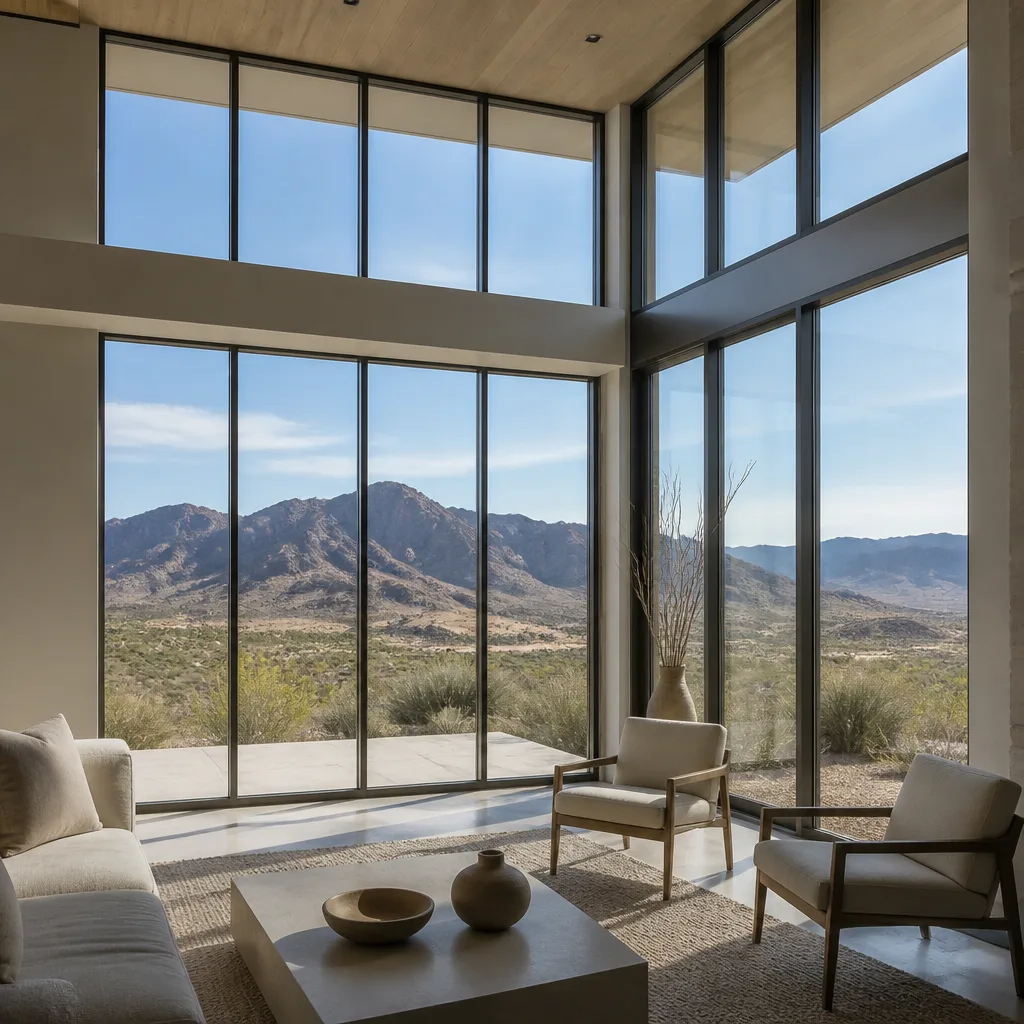
Most window replacement jobs run one to three days: a single window takes roughly 1 to 2 hours of actual installation, a 10-window whole-house job usually takes one to two working days, and a full-frame job with stucco exterior or second-story access can push a 10-window home to three or four days. The number of windows matters less than the replacement method, the exterior material, and how much site prep the survey caught before install day.
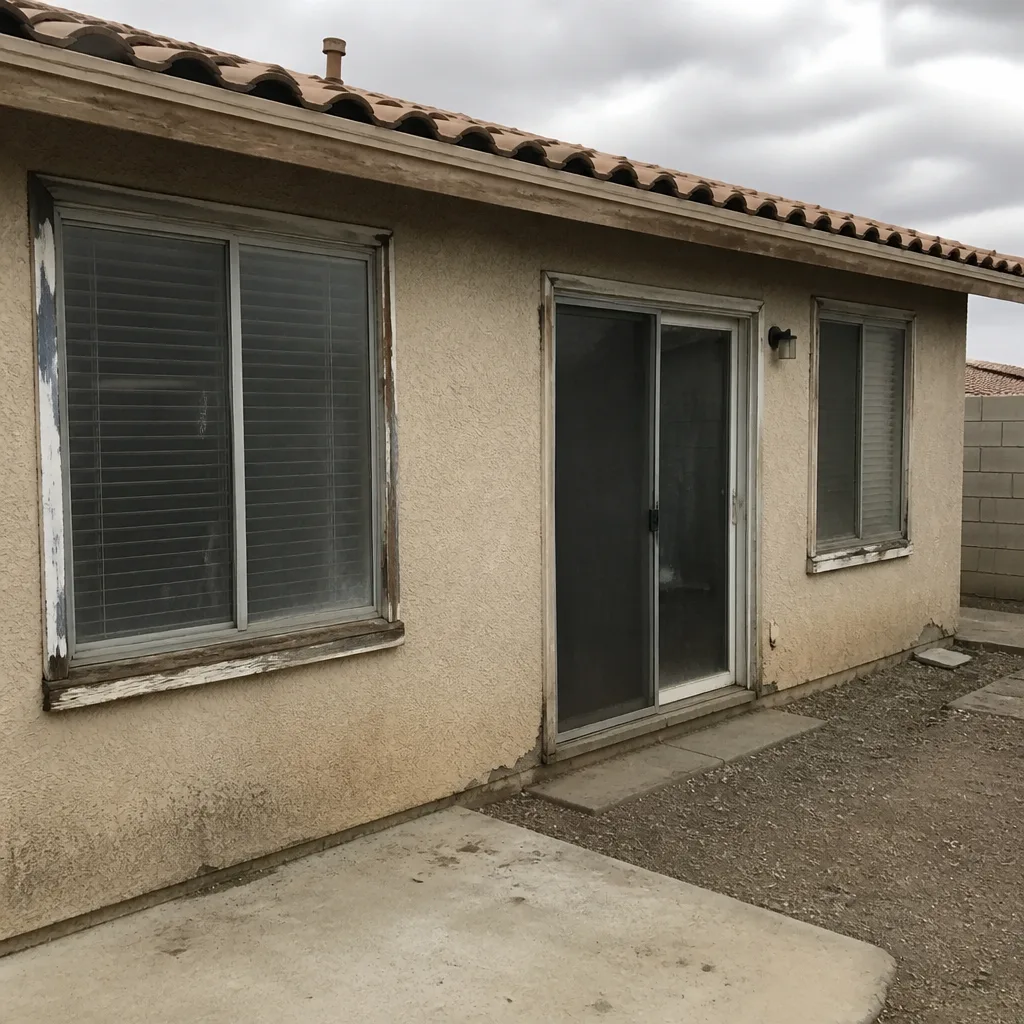 Before
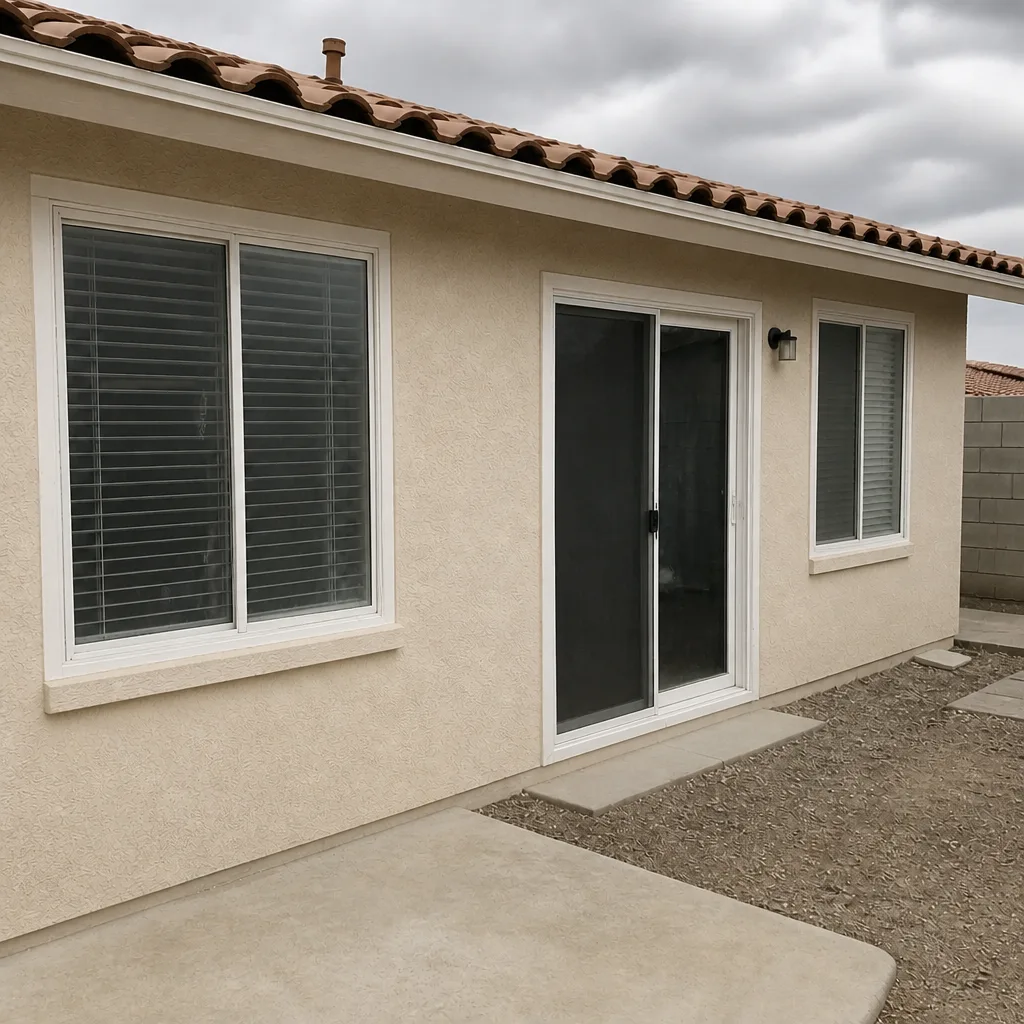 After
Table of Contents
- Per-window time by replacement type and exterior material
- How window count changes per-unit time
- What a 10-window day looks like versus a 2-window day
- Conditions that add unplanned time (and which belong in the survey)
- Interior disruption timeline: furniture, dust, and room access
- How a documented photo record timestamps the work
- Mesquite-specific factors: heat, stucco, and desert dust
Per-Window Time by Replacement Type and Exterior Material
Per-window time varies by a factor of four depending on two things: whether the frame stays or goes, and what the exterior wall is made of. Insert replacements slide a new unit into the existing frame. Full-frame replacements remove the entire window down to the rough opening, which means trim, flashing, and exterior finish all come into play. Here are the ranges we plan against, drawn from documented installer logs.
- Insert replacement, accessible single-hung or slider: 45 to 75 minutes per opening.
- Insert replacement, fixed or picture window: 30 to 50 minutes per opening.
- Full-frame replacement, wood siding: 90 to 120 minutes per opening.
- Full-frame replacement, fiber cement siding: 100 to 135 minutes per opening.
- Full-frame replacement, vinyl siding: 75 to 105 minutes per opening.
- Full-frame replacement, stucco exterior: 135 to 180 minutes per opening.
- Second-story access add-on: 20 to 40 minutes per opening for ladder setup, staging, and safety rigging.
Stucco is the slowest exterior for a simple reason. It cracks when you cut it, so the crew has to score, remove, and re-flash the opening carefully, then patch the exterior finish back to something that will pass a visual inspection. In Mesquite, where a large share of homes built in the last two decades use stucco, that single material choice can add a full day to a 10-window job compared to a vinyl-sided home of the same size.
How Window Count Changes Per-Unit Time
The first window of the day costs more time than the ninth. That’s mobilization efficiency: the crew stages ladders, lays drop cloths, sets up the cutting station, and hauls materials once. The per-unit time drops as those fixed costs spread across more openings. It also rises again past a certain point, because a job large enough to need two crews introduces coordination and handoff time.
Here’s the way the math tends to shake out for a Mesquite job:
- 2-window job: 3 to 5 hours total. Fixed setup takes 45 to 60 minutes, so each window looks slower than the average.
- 5-window job: half a day to one day, depending on access and exterior material.
- 10-window job: one to two days. Per-unit time hits its sweet spot here.
- 20-window job: two to four days, usually run by two crews working different elevations.
The practical takeaway: don’t compare quotes on a per-window basis without knowing what prep is included. A quote that looks cheaper per window often assumes more efficient mobilization than your specific house allows.
What a 10-Window Day Looks Like Versus a 2-Window Day
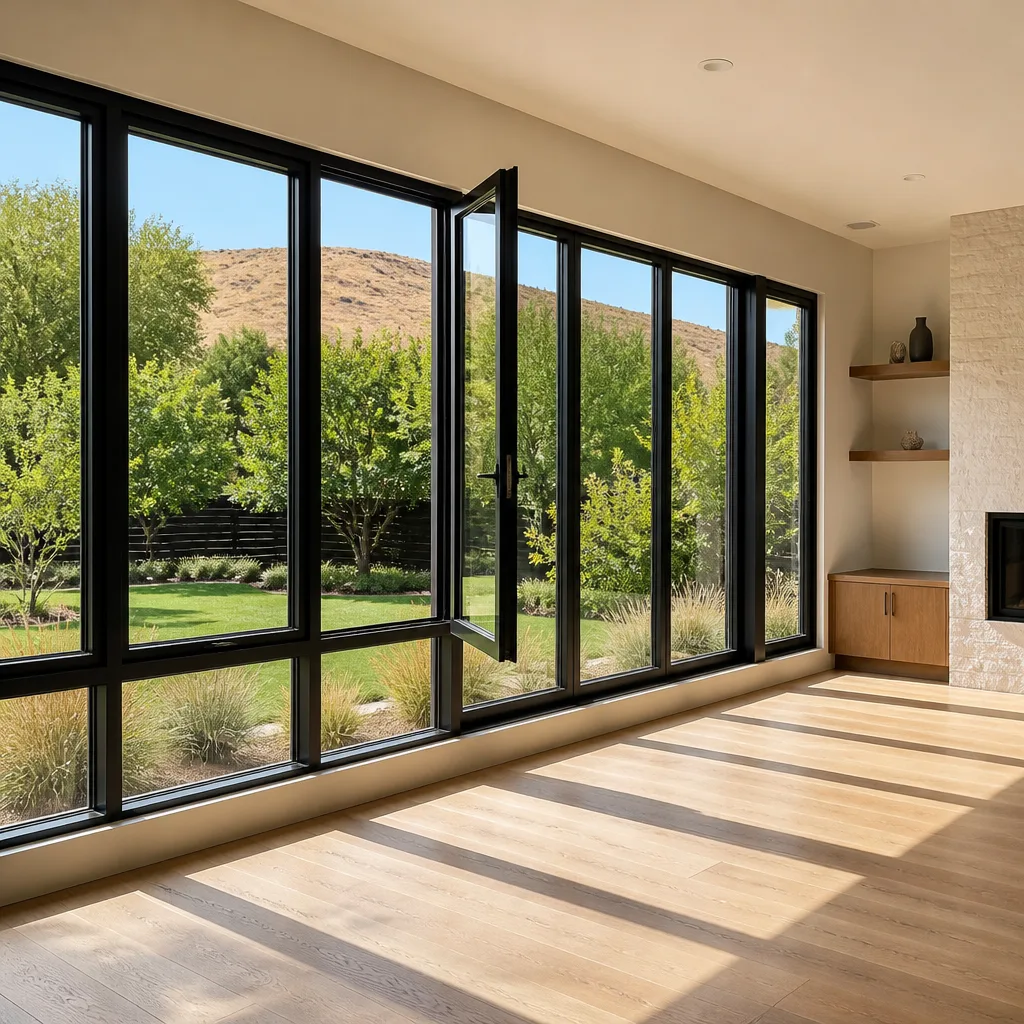
A 10-window job and a 2-window job aren’t just different sizes. They’re different days. Here’s how each tends to run on a scheduled install in the Mesquite area.
The 10-window day
- 7:30 a.m. – arrival and walkthrough. Crew lead confirms scope, checks the survey measurements against the actual openings, and stages equipment.
- 8:00 a.m. – first interior setup. Drop cloths, dust barriers, and furniture moved to the room’s center or another room.
- 8:30 a.m. to noon – first elevation. Usually 5 to 6 openings on the shaded or lower side of the house, worked in sequence.
- Noon to 1:00 p.m. – break and material restaging. The crew pulls the next batch of units to the second elevation.
- 1:00 p.m. to 4:30 p.m. – second elevation. Remaining openings, plus interior trim and sealant touch-up.
- 4:30 p.m. – cleanup and photo record at every opening. Each window photographed, labeled, and logged before the crew leaves.
The 2-window day
- Arrival and walkthrough takes the same 20 to 30 minutes as a larger job. Fixed costs don’t shrink with the window count.
- Setup and staged work absorbs an hour before the first opening is touched.
- Both windows installed in two to three hours once the crew is rolling.
- Cleanup and photo record add another 20 to 30 minutes.
On paper, a 2-window job looks fast. In practice, a homeowner with two windows spends nearly as long on arrival, setup, and cleanup as they do on the installation itself. That’s normal, and it’s worth knowing so you don’t hold a single afternoon to the same stopwatch as a full-house job.
Conditions That Add Unplanned Time (and Which Belong in the Survey)
There’s a difference between a surprise and an untracked known. The best installers catch most time-adding conditions before a tool is lifted. Here are the ones that come up most, and where they belong.
Should have been caught in the pre-installation survey
- Rotted framing at the rough opening. The survey should probe the sill and jamb area, especially on stucco exteriors where water sits at the base.
- Non-square openings. Older homes in Mesquite’s established neighborhoods often have openings that are 1/4 to 1/2 inch off plumb. That gets shimmed and flashed, but it adds time.
- Second-story access limitations. A yard with a wall, a pool, or a steep slope needs ladders or a lift. That has to be priced in, not discovered at 9 a.m.
- Interior finish surprises. Tile sills, wood casings glued to the frame, or a finish the homeowner wants preserved. These are identified during the measured survey, not on the day of.
- Product lead time. A custom-size opening in a PGT or ViewLux line takes longer to fabricate than a standard size. That’s not an install-day delay; it’s a schedule reality from the quote forward.
Genuine day-of variables
- Weather. Desert wind pushing dust into an open wall cavity slows an exterior install. A dust storm blowing through Mesquite on install morning is a real scheduling factor.
- Homeowner access. A locked room, a piece of furniture that can’t be moved, or a pet that gets loose can add time no survey can predict.
- Discovery of a prior improper install. Sometimes the old window comes out and the flashing underneath is missing or wrong. That gets fixed on the spot, and it takes time.
The rule of thumb: if a condition could have been caught with a tape measure and a flashlight, it belongs in the written scope. If it couldn’t, it’s a day-of adjustment and the crew should tell you before the schedule slips.
Interior Disruption Timeline: Furniture, Dust, and Room Access
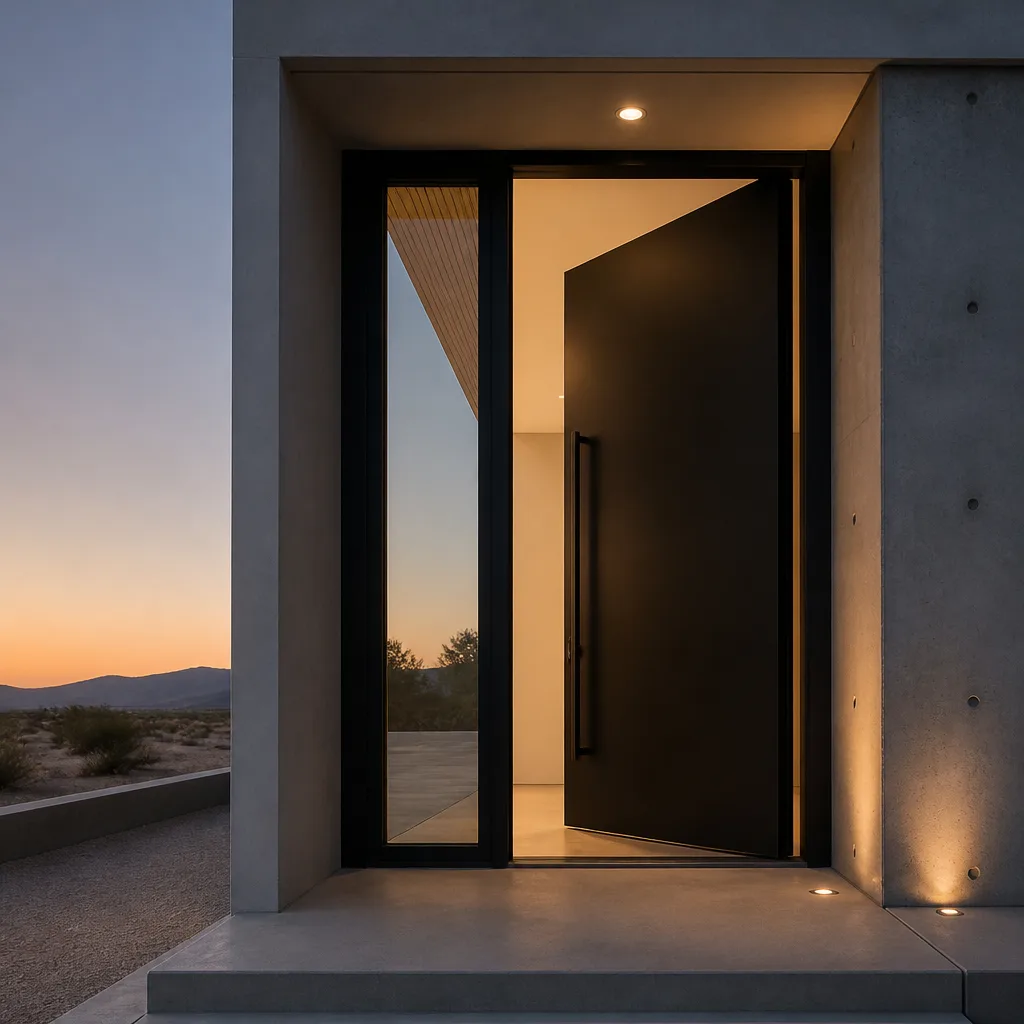
Homeowners ask how long the install takes. The real question is usually how long a room stays unusable. Here’s the phase-by-phase disruption timeline for a typical replacement.
- Day before: The homeowner clears wall hangings, pulls furniture 3 to 4 feet from the windows, and answers any access questions from the crew lead. This 30 to 60 minutes of prep you do saves time on install day.
- Morning of, first 60 to 90 minutes: Furniture moved to the room’s center, drop cloths laid, dust barriers taped at doorways. Rooms on the install side are not usable during this window.
- Mid-install: Openings are cut and set. Dust is contained behind barriers, but the work zone stays off-limits. Rooms on the opposite side of the house stay usable.
- Late afternoon: Interior trim, sealant, and touch-up. Most rooms are accessible again by this point.
- Evening of install: Furniture can move back. Sealant needs 24 hours to cure fully; avoid washing the interior frame during that window.
On a 10-window job, plan for two to four afternoon hours of downtime per room. On a small job, one room loses a morning. The interior disruption is usually shorter than the install itself, because the crew works the second elevation while you use the first.
How a Documented Photo Record Timestamps the Work
If you’ve ever had a contractor tell you a job “took longer than expected” and adjust a bill to match, you understand the value of a timestamped record. A documented photo record at each opening gives you an independent account of what was actually done, in sequence, with metadata attached.
Here’s what a useful photo record includes at every opening:
- Before photo: The opening with the existing window in place, with its location labeled.
- Rough-opening photo: The wall cavity with the old frame removed, showing the flashing and framing condition.
- Set photo: The new unit installed and shimmed, before interior trim.
- Finished photo: The completed opening, interior and exterior, with sealant and trim in place.
Timestamps on those photos give you a defensible record of how long each phase actually took. If a billing dispute ever arises over “extra time,” the record settles it in minutes, not arguments. That standard is the whole point behind the Sightline Windows & Doors Mesquite home approach to every job, and it’s the reason we treat the photo record as standard evidence rather than an optional add-on.
Mesquite-Specific Factors: Heat, Stucco, and Desert Dust
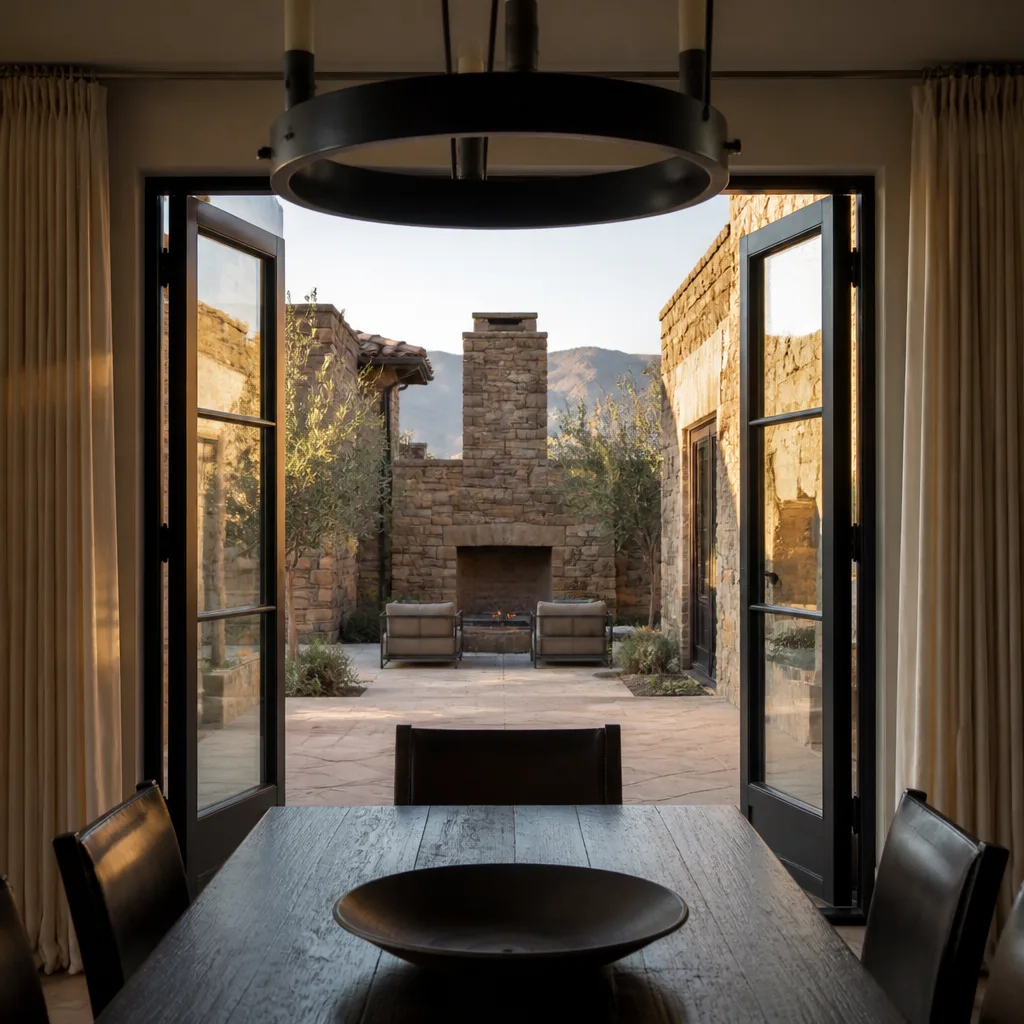
Mesquite has its own set of timing variables that don’t show up in a national guide. If you’re scheduling work here, these are the ones to plan around.
- Stucco exterior is the norm. Most newer homes in the area use stucco, which means full-frame jobs run 30 to 45 minutes per opening longer than they would on a vinyl-sided house. Factor that into your day count if you’re pricing full-frame work.
- Summer heat affects the sealant schedule. Exterior sealant applied on a 110-degree afternoon cures faster than manufacturers intend, which means crews work exterior openings in the morning and interior trim in the afternoon. That reorders the day but doesn’t usually extend it.
- Dust and wind. Desert wind pushes fine dust into open cavities quickly. Crews working exterior openings in Mesquite keep them covered between phases and seal them the same day.
- Second-story homes are common in the newer neighborhoods on the city’s edges, which means access adds time on a good share of jobs. Budget an extra half-day on a 10-window second-story full-frame job.
For more specific scope information, our window replacement in Mesquite page covers what’s included in a standard replacement, and our window installation in Mesquite page covers new-construction and rough-opening work. If your project includes exterior doors, the timing is set by door frame and threshold work rather than window openings; that’s covered on our door installation in Mesquite page.
Which product lines affect timing
Standard sizes in a line like PGT or CGI are typically fabricated on a shorter lead time than a custom or geometric opening. On a recent Mesquite job with three custom-shaped windows in a ViewLux line, the fabrication lead time added two weeks to the schedule while the install itself ran in a single day. The install time you read about here is the on-site work; product lead time is a separate number worth asking about during the survey.
Common Mistakes to Avoid
- Booking a job around a best-case day count. A “one-day 10-window job” quote that assumed insert work on vinyl siding won’t hold on a stucco full-frame home. Ask what conditions the timeline assumes.
- Clearing furniture the morning of install. Move furniture the day before. A 60-minute morning delay pushes the whole day.
- Not asking about access. If the crew needs a lift to reach the second story, that should appear on the written quote, not on the day-of schedule.
- Comparing per-window prices without comparing scope. A quote that excludes stucco patch and re-flash isn’t cheaper; it’s incomplete.
- Skipping the written survey on a small job. Even a 2-window replacement should start with measurements you keep. The window replacement process is the same document at any size.
- Ignoring lead time. A custom opening in a Mesquite home can take weeks to fabricate. Put install day in the calendar, but put lead time on your wall calendar first.
- Not asking for the photo record at handover. If a contractor doesn’t produce a documented record of each opening, ask why before you sign.
When to Call a Professional
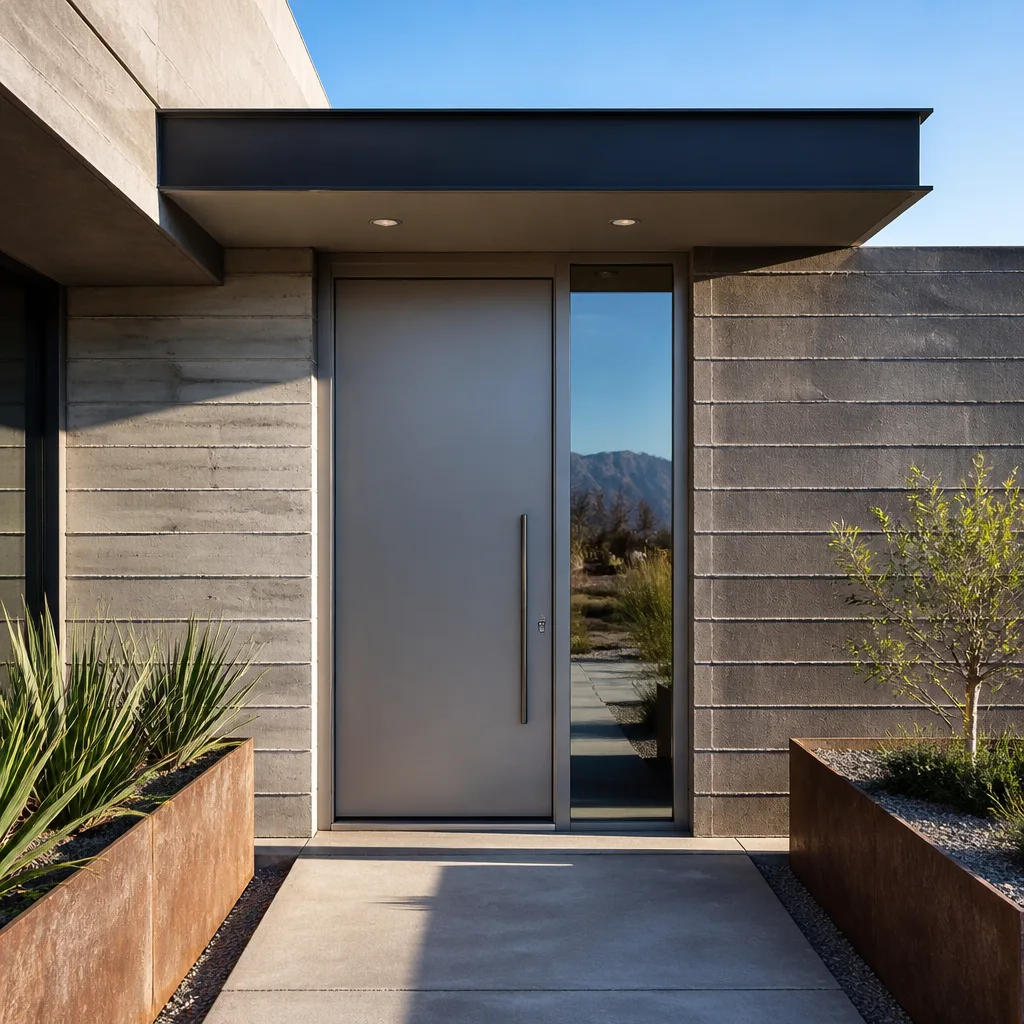
Some timing decisions are safe to make on your own. Others aren’t. Call a professional when the job involves full-frame replacement, a second-story opening, or exterior finish work on stucco. Call when the existing window shows rot, water staining, or visible gaps at the rough opening, because what’s underneath the trim often changes the scope. Call before ordering product for a custom or non-standard opening; a mis-measured order costs weeks. Call if your home was built before flexible flashing was standard practice at the opening; retrofitting that detail is not a homeowner project. And call when the sealant, framing, or impact-rated glazing work needs to pass a Mesquite inspection, because a failed inspection costs more schedule than the work itself.
Sightline Windows & Doors Mesquite offers free estimates in Mesquite. Call (888) 268-5117 to schedule yours. We’ll survey the openings, write the price before any work starts, and give you a day count tied to the specific conditions at your house rather than an average.
Frequently Asked Questions
Ten windows typically take one to two working days for insert replacement, and two to four days for full-frame replacement. Stucco exteriors and second-story access push the job toward the longer end. A written survey that accounts for access and exterior material is what makes the day count reliable. Call (888) 268-5117 for an exact quote for your Mesquite home.
Yes, a single window replacement is usually completed in 1 to 2 hours of active work, plus 45 to 60 minutes of setup and cleanup, so the whole visit fits comfortably in a morning. Larger day counts depend on the method and the exterior material, not on the crew’s speed. Call (888) 268-5117 for a written estimate on your specific openings.
Mesquite jobs tend to run slightly longer than comparable jobs on vinyl-sided homes because stucco is the dominant exterior material here. Stucco full-frame replacement adds 30 to 45 minutes per opening compared to vinyl siding. The desert heat also shifts exterior work to the morning hours, which reorders the day but rarely extends it. Call (888) 268-5117 for a Mesquite-specific estimate.
Exterior material is the single biggest variable. A stucco full-frame job can take two to three times as long per opening as a vinyl-sided insert job. Access conditions and rough-opening rot are the next largest factors. A measured survey catches both before install day. Call (888) 268-5117 for a free estimate that accounts for your specific conditions.
It shouldn’t. A written price based on a documented survey is the whole point: the price is settled before the first tool is lifted, and unplanned conditions get discussed and agreed to before work continues. At Sightline Windows & Doors Mesquite, the survey you keep and the invoice you pay are the same document. Call (888) 268-5117 for a written estimate.
Permit requirements depend on the scope: a like-for-like insert replacement in the same opening typically doesn’t need one, while a full-frame replacement or a change to the opening size usually does. Your written scope should say which applies to your house. Call (888) 268-5117 and we’ll tell you what your project requires before the schedule is set.
The Bottom Line
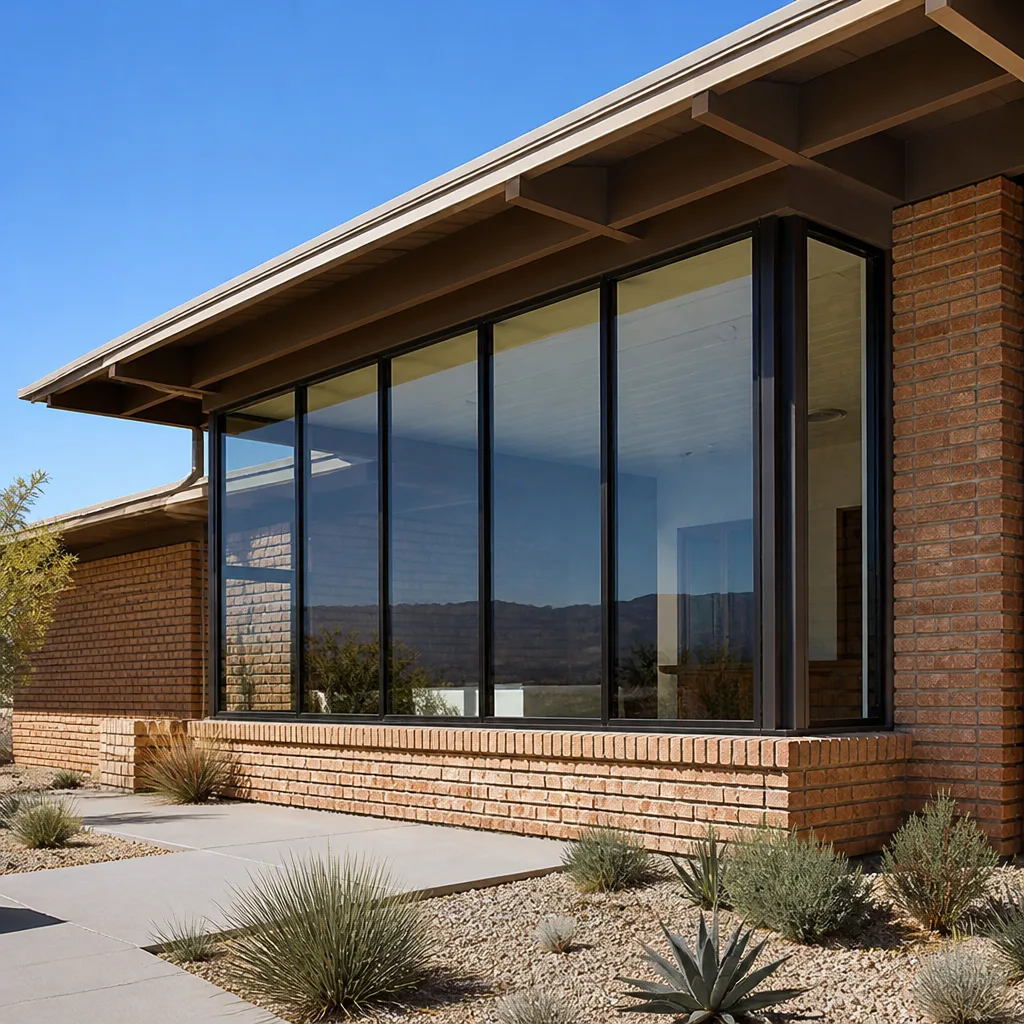
Window replacement timing comes down to three things: the method (insert or full-frame), the exterior material (stucco adds the most time), and access conditions (second-story openings cost extra). A 10-window Mesquite job runs one to two days for insert work on an accessible wall, and three to four days for full-frame stucco work with second-story access. Small jobs look slower per window because setup dominates the day. Get the number you’ll plan a schedule around from a written survey you keep, not a doorstep estimate based on the best-case scenario.
Call (888) 268-5117 to book a free estimate with Sightline Windows & Doors Mesquite. We’ll walk your openings, document the conditions, and hand you a written price and a day count before anyone starts.
Written by the team at Sightline Windows & Doors Mesquite.
Six Reasons Homeowners Choose Sightline Windows & Doors Mesquite
Laminated glass and reinforced frames hold up to wind-driven rain, hail and flying debris, so your openings stay sealed when the weather turns.
Low-E insulated impact glass from our manufacturer lines commonly cuts monthly cooling bills 20-30%.
Laminated impact glass shuts out up to 40% of outside noise - traffic, neighbors, weather.
Monitoring services run $30-90 a month. Laminated impact glass resists forced entry around the clock, with no subscription.
Tighter seals and insulated glass even out hot and cold rooms and stop the drafts at the frame.
A full impact package upgrades curb appeal, buyer confidence and appraised value in one project.
Other Sightline Windows & Doors Mesquite Services