Last updated November 18, 2026
New windows and doors improve comfort, cut energy bills and add long-term value to your home. Sightline Windows & Doors Mesquite pairs proven product lines with a local vetted installing partner for lasting performance - and a price put in writing.
Choose your installer
The unit is half the job - the install is the other half. Background-checked local installers measure, set, seal and insulate every opening, and they know the lines we quote inside and out.
Select the right products
Compare styles, materials and glass packages side by side until the fit is right for your rooms, your budget and your goals. The product-line comparison below is the place to start.
Prepare your home for install
Before install day we walk you through a short checklist - furniture pulled back, treatments down, a clear path to each opening - so install day is watch-it-happen, not scramble.
Compare the Lines We Quote
Every project is priced on the same lines, side by side - the price indicators below are relative, and your consultant shows exact numbers on your actual openings.
PGTThe line homeowners arrive naming - the most impact certifications in the industry$$$
- More impact certifications than any other line we quote
- WinGuard, EnergyVue and ClassicVue Max systems built for every wind zone
- 99% on-time delivery keeps your install date on the calendar
CGIThe heavyweight impact line$$$$$
- Large-missile impact ratings for the strictest wind zones
- Architectural-grade aluminum with commercial-depth frames
- The line we quote when protection is the whole point
CWSThe value pick$$
- Vinyl systems built to strict wind codes
- Strong energy packages at the friendliest price point
- The smart start for whole-home replacements on a budget
ESWSlim lines, big glass$$$$
- Narrow-sightline aluminum for modern elevations
- Oversized openings and floor-to-ceiling glass
- Impact-rated without the bunker look
ECOThe aluminum impact workhorse$$$
- Factory-built aluminum impact systems
- A strong price-to-protection ratio for coastal homes
- Proven lines with short lead times
Energy-Efficient Windows Troubleshooting: Common Problems and How to Fix Them
Your new low-e windows went in last spring. By August, the bill in a Mesquite house hasn’t moved the way the sales sheet promised, and the west-facing rooms still bake by 4 p.m. The instinct is to blame the glass. In our experience, the glass unit is usually the last thing to fail. What fails first is the perimeter sealant joint around the frame, followed by the interaction between the window and whatever blinds or shutters sit behind it. Both of those are fixable for the price of a tube of the right sealant and an afternoon. This guide walks through how to tell which of the three common culprits you actually have: glass-unit failure, frame seal failure, or an installation error.
Quick Answer
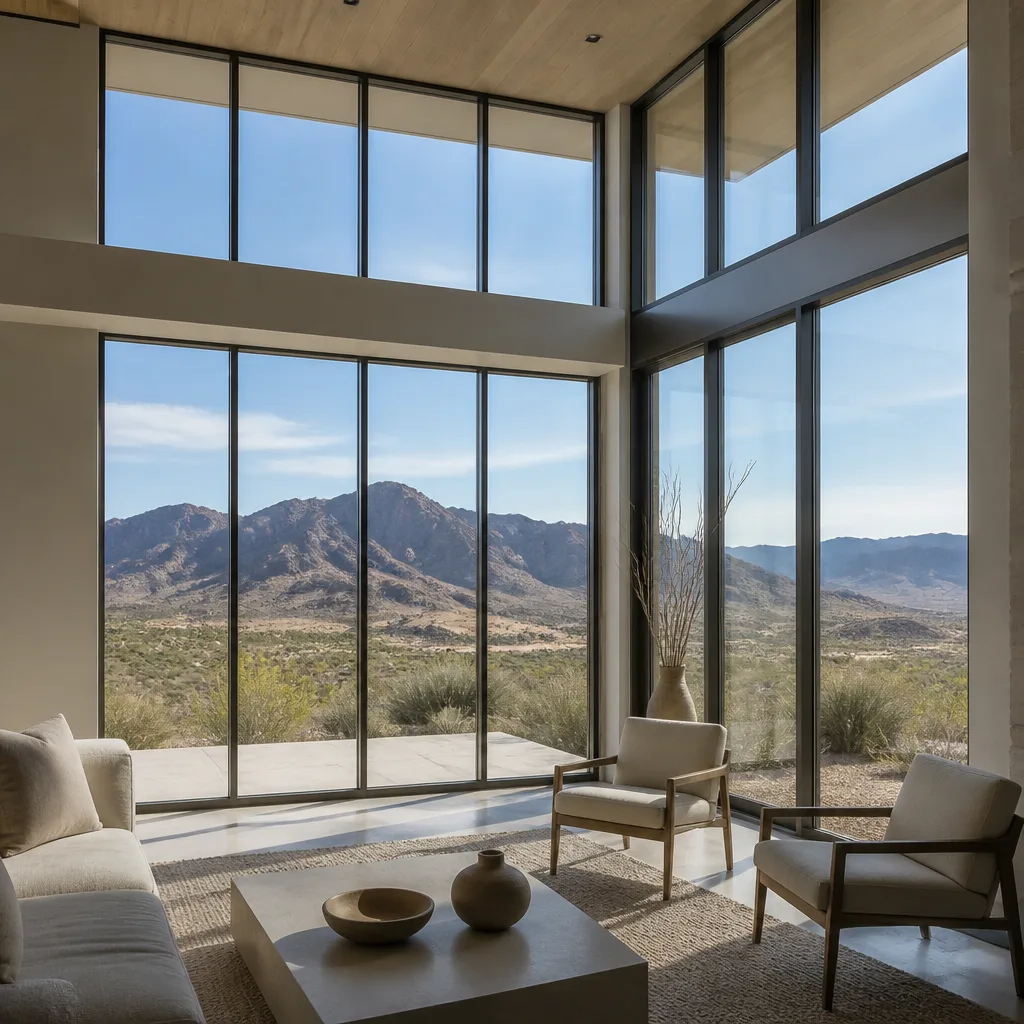
Most energy-efficient windows that stop performing in Mesquite are not suffering from failed glass. They are leaking conditioned air at the perimeter sealant joint, where temperatures routinely exceed 115°F at the frame surface and degrade exterior caulk long before the IGU (the sealed glass sandwich) fails. A thermal camera reading and a dollar-store incense test will tell you which problem you have in about fifteen minutes. Fix the sealant first; replace the IGU only when the diagnosis points there.
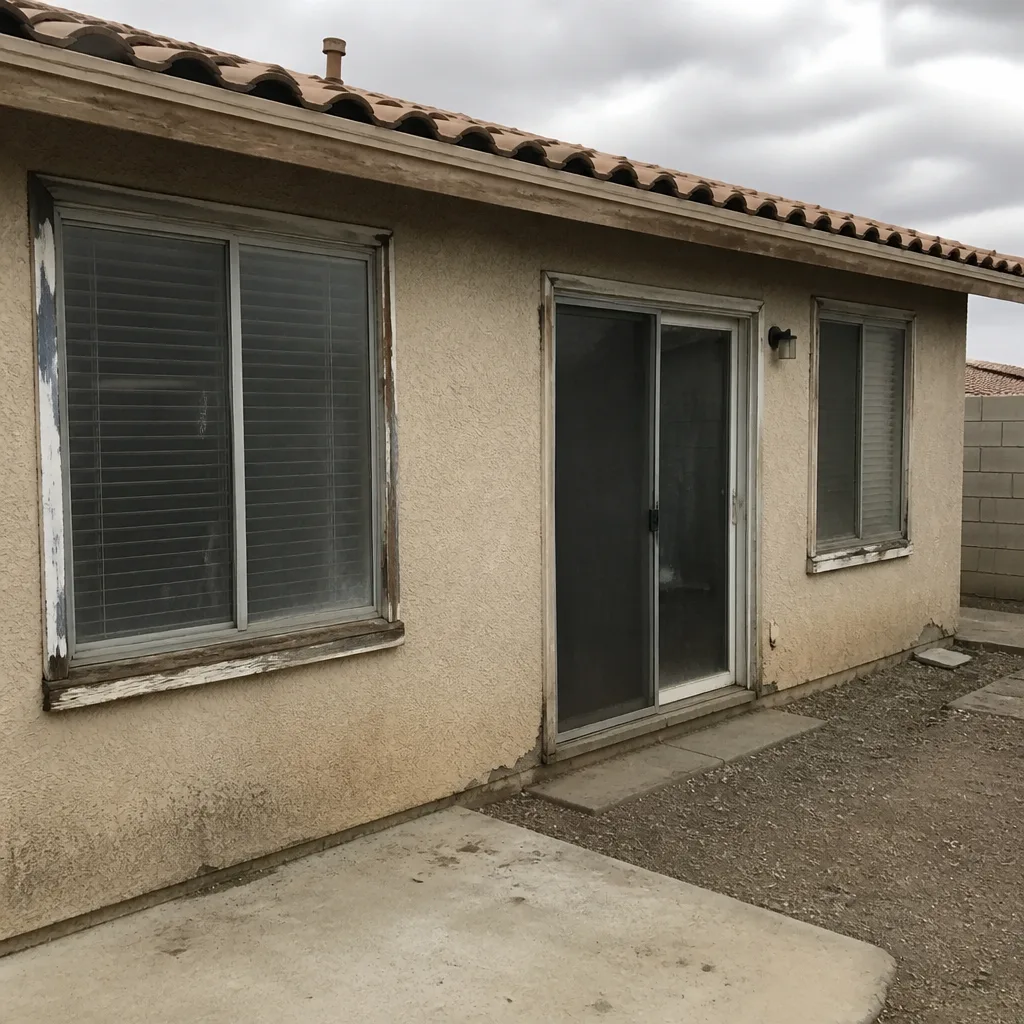 Before
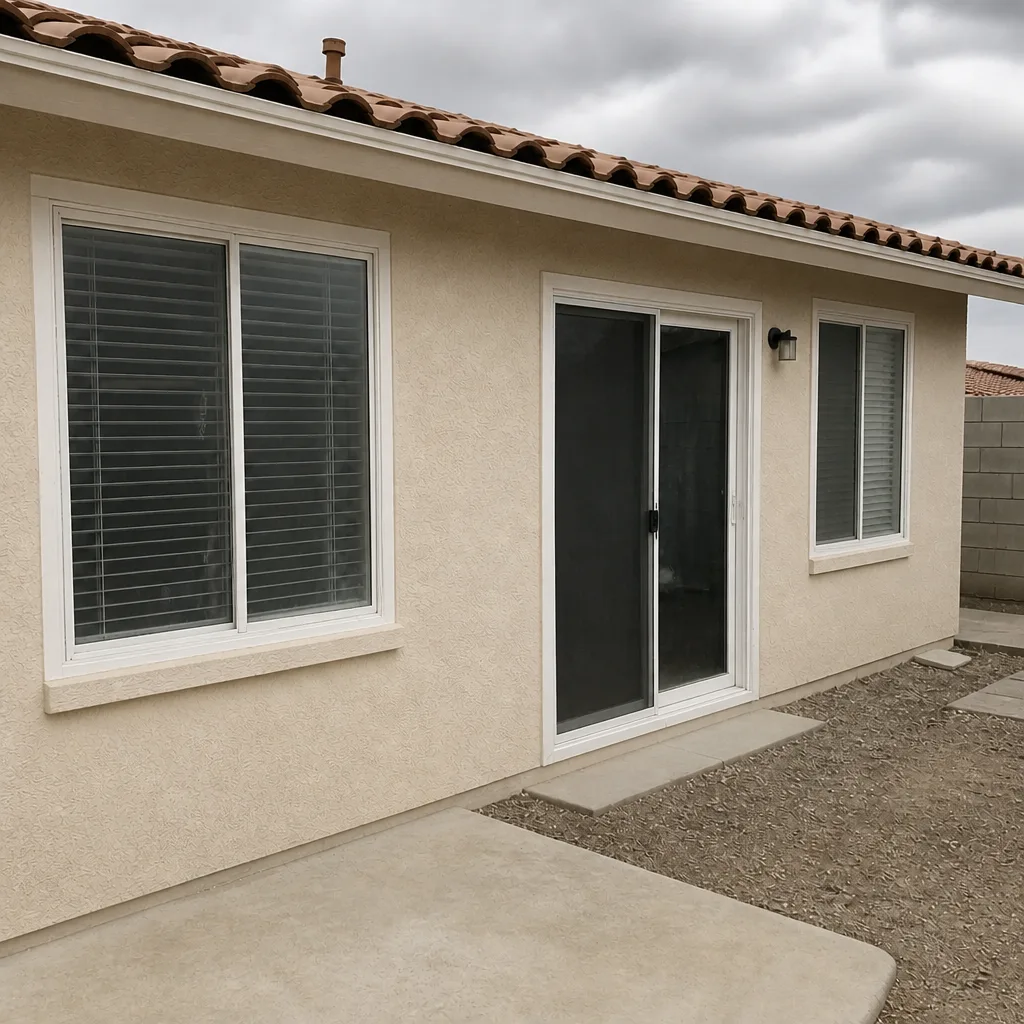 After
Table of Contents
- The Three Culprits: Glass, Frame, or Installation
- How to Diagnose the Problem in 15 Minutes
- Sealant Grades That Survive a Mesquite Summer
- Fogged Glass vs. Exterior Condensation: Not the Same Problem
- How the Wrong Blinds Turn a Low-E Window Into a Heat Trap
- What to Document Before You Call the Warranty Line
- Installation Errors That Look Like Glass Failures
- Common Mistakes to Avoid
The Three Culprits: Glass, Frame, or Installation
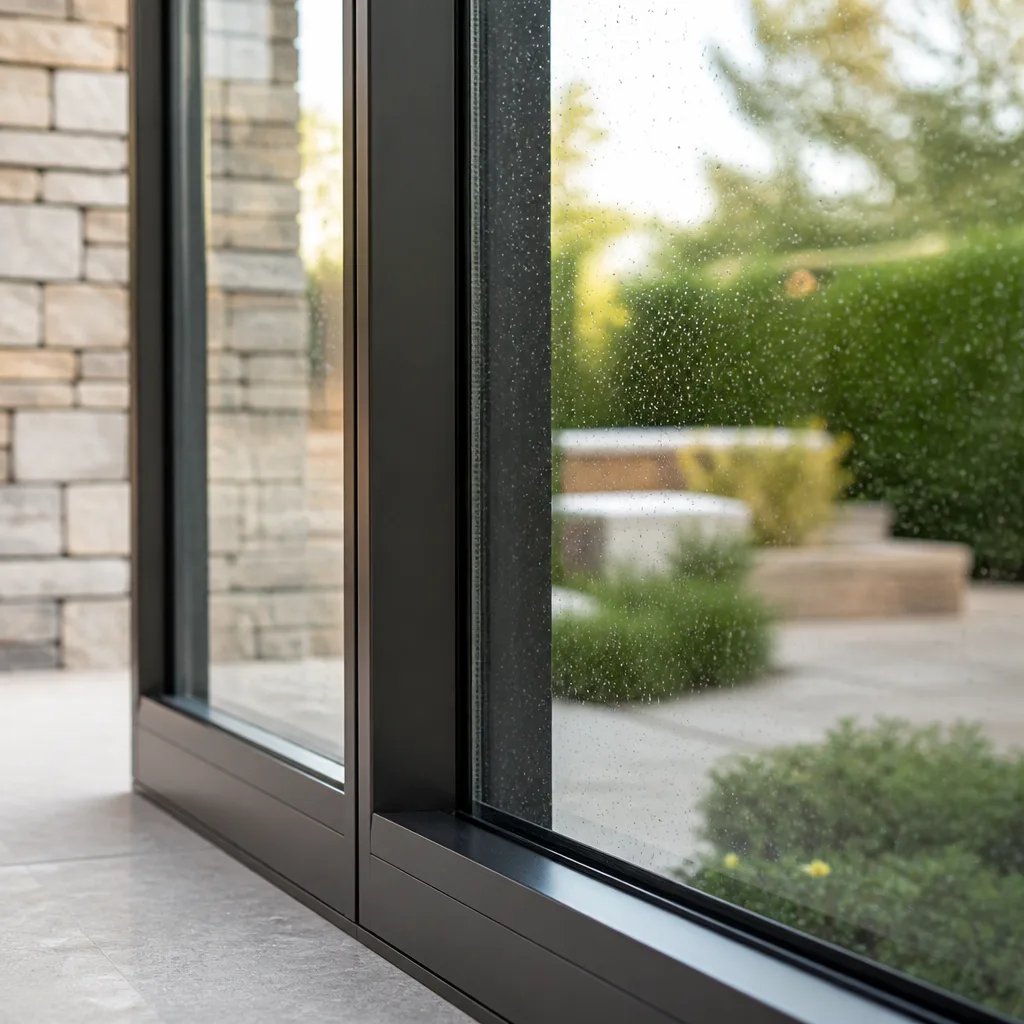
When homeowners call us with a “my energy-efficient windows aren’t working” complaint in Mesquite, we sort them into three categories within ten minutes on site. The distribution is telling: in our experience, roughly 7 out of 10 performance complaints trace to frame or perimeter seal problems, not the glass.
- Glass-unit failure (IGU): The sealed glass sandwich has lost its argon or desiccant, and the interior faces fog. This is a real failure, but it is the least common of the three in windows under ten years old.
- Frame and perimeter seal failure: The caulk or foam between the window frame and the rough opening has cracked, shrunk, or separated. Air leaks. Water may leak. The glass is fine.
- Installation error: The window was set out of square, shimmed incorrectly, or installed without the proper flashing detail at the head. The result is a draft that no amount of caulk fixes.
Mesquite’s climate shortens the life of exterior sealant more than most markets. A polyurethane caulk rated for 120°F surface temperatures held up fine in a coastal install will chalk and crack within two summers here. That doesn’t mean the window failed. It means the joint between window and wall is doing what chemistry says it will do in the Mojave. Speed matters when troubleshooting because the longer a cracked sealant joint is open, the more likely you are dealing with moisture intrusion alongside the air leak.
How to Diagnose the Problem in 15 Minutes
The two tools that matter are a thermal camera (an inexpensive phone attachment works) and a stick of incense. Run the diagnosis on a day when the indoor-outdoor temperature differential is at least 15°F, ideally a summer afternoon in Mesquite.
- Set the conditions. Close all windows and doors. Turn off the HVAC for ten minutes. Let the house settle so you’re not measuring the air handler.
- Take thermal readings at four points per window. Frame corners, sill center, head center, and glass center. A temperature drop of more than 6°F at the frame corner versus the glass center is a strong signal of a perimeter leak.
- Run the incense test. Light the incense, hold it one inch from the interior perimeter joint, and move slowly. A steady deflection of the smoke trail toward the window (or away, on the exterior) means air is moving. Note the exact location.
- Inspect the exterior joint by eye and by screwdriver handle. Tap lightly along the caulk line. A hollow sound means the bead has detached from the substrate even if the surface looks intact. Look for cracks wider than a credit card edge.
- Check the IGU for internal fog. Wipe the glass with a dry cloth. If moisture appears between the panes, not on them, the unit has failed.
Write down what each window shows. A thermal photo and a paper map of smoke deflections becomes your documentation later. This is the same kind of record we build into the window installation in Mesquite work we do – every job ends with a photo file, and troubleshooting starts with the same discipline.
Sealant Grades That Survive a Mesquite Summer
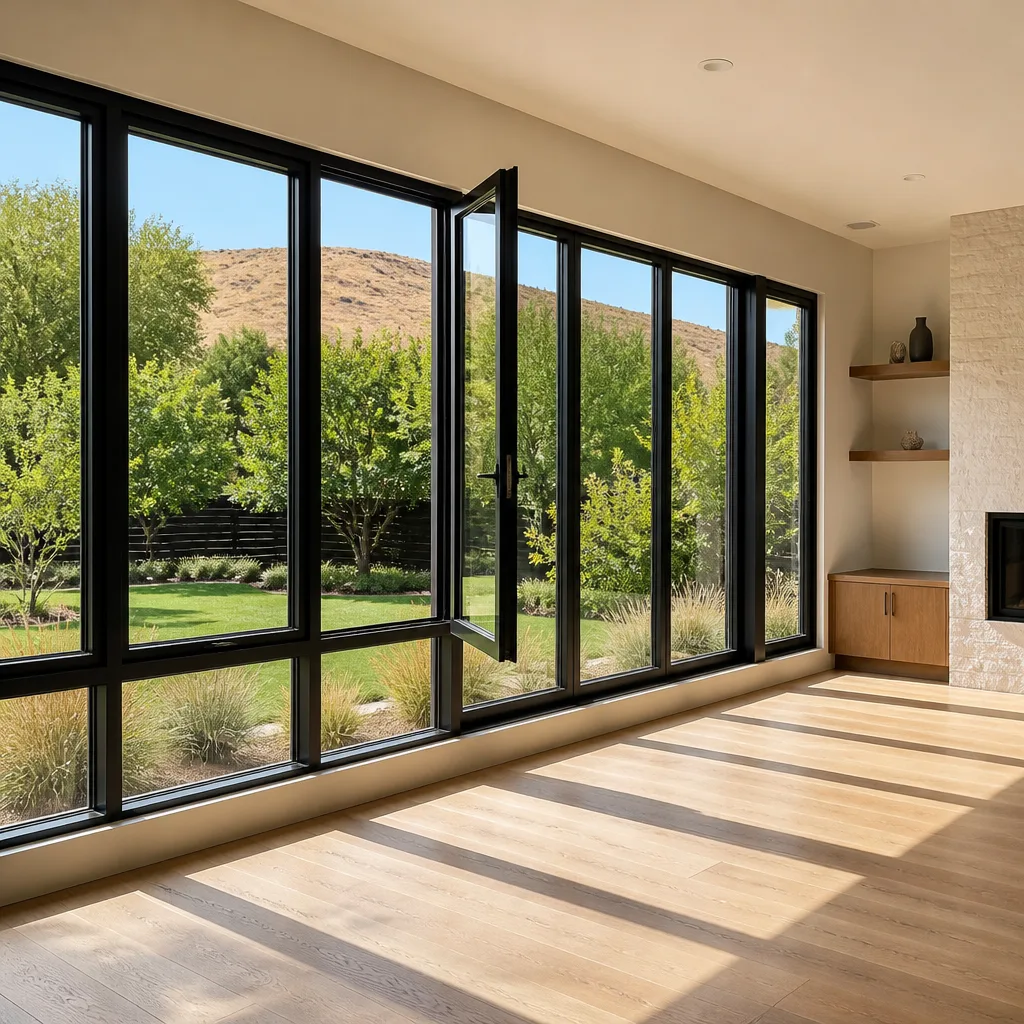
Not every exterior caulk is up to a Mesquite summer, and the label on the tube rarely tells you what you need to know. The relevant number is the maximum continuous service temperature, and for our market you want a product rated for at least 250°F peak or a high-performance polyurethane rated for 120°F continuous surface exposure with UV resistance.
- What to use on the exterior joint: A high-performance polyurethane sealant rated for UV exposure and extended high-temperature service, typically in the $10 to $15 per tube range at any hardware store in Mesquite. One tube does roughly 20 feet of 1/4-inch bead.
- What to use on the interior joint: An acrylic latex sealant is fine here. Interior joints see no UV and a much narrower temperature swing.
- What to avoid: Basic painter’s caulk and any product without a stated service temperature. These crack within a single summer in Mesquite.
- What to avoid on the exterior: Silicone on painted surfaces. It’s not paintable and it fails to bond well to many frame substrates when the temperature swings hard.
Preparation matters as much as product. Remove the old bead, clean the joint with a dry brush, and prime bare masonry or stucco with the sealant manufacturer’s recommended primer. A $12 tube of appropriate-grade sealant, correctly applied, resolves what looks like a $600 IGU replacement in many Mesquite cases. That is the single most useful fact in this guide.
Fogged Glass vs. Exterior Condensation: Not the Same Problem
The word “fog” causes more wrong calls to window manufacturers than any other in the trade. There are two distinct phenomena, and only one of them is a failure.
- Interior IGU fog (failure): Moisture appears between the panes. It cannot be wiped away. It worsens over weeks. The desiccant inside the unit has saturated, and the seal has failed. This is a warranty item if the unit is still covered.
- Exterior surface condensation (normal): Moisture forms on the outside face of the glass in the morning and burns off by midday. This happens on high-performance low-e units specifically because the exterior pane runs cooler than the outside air. It is the sign of a working unit, not a failing one.
- Interior surface condensation (humidity signal): Moisture forms on the inside face of the glass. This usually means interior humidity is high, not that the window is faulty. In Mesquite’s dry climate it’s rarer, but it does appear in kitchens and bathrooms in monsoon season.
For the fog diagnosis, look at the edge seal. Take a photo of the failed unit with a tape measure against the glass so the unit dimensions are in frame. That photo is required by almost every IGU manufacturer’s warranty claim and is the single item that gets claims denied on the first call when it’s missing.
How the Wrong Blinds Turn a Low-E Window Into a Heat Trap
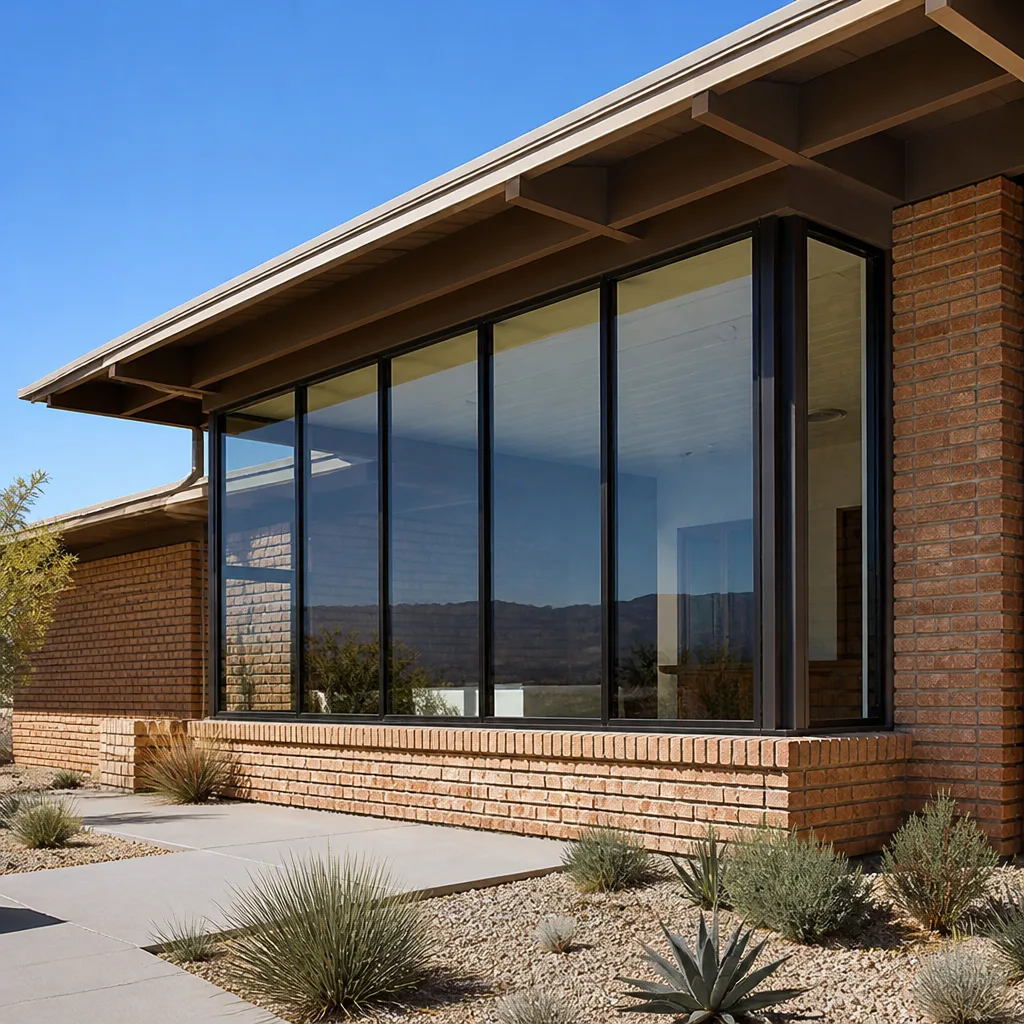
Here is the counterintuitive part. A low-e window with the wrong interior treatment can perform worse than a bare single-pane window, because the treatment traps solar heat in the cavity between glass and blind rather than letting it bounce back or pass through.
What happens physically: sunlight passes through the glass, hits the blind, and radiates as heat in both directions. The portion that radiates back toward the glass is now trapped between glass and blind. If the blind is dark, tightly closed, and mounted inside the frame without any breathing gap, the cavity heats up dramatically, stress builds in the IGU seal, and the interior room heats up too. In a west-facing Mesquite room where the glass surface can hit 140°F in July, this compounds quickly.
What works instead:
- Light-colored blinds left partially open. The blind reflects more solar energy back outside and lets some pass through, and the gap at top and bottom lets the trapped air escape.
- Exterior solar shades on the west side. Shade the glass from the outside, before the heat ever enters the assembly. This is the single most effective intervention for west-facing windows in Mesquite.
- A minimum 2-inch air gap between blind and glass. Mount the blind on the wall or inside the jamb with a spacer so the cavity can vent.
- Avoid blackout-style cellular shades flush against a low-e pane. This is the worst configuration for thermal stress, and it’s the one we replace most often.
If you’re specifying new windows and want to get the shading interaction right from the start, our window replacement in Mesquite survey includes a shading review by room orientation. That’s part of the measured survey, not an add-on.
What to Document Before You Call the Warranty Line
Manufacturer warranty claims are dismissed on the first call more often for missing evidence than for a genuinely bad claim. Assemble the following before you dial:
- Your original measured survey and written quote. These establish the window specification: brand, model, glazing package, U-factor, SHGC. Without them, the warranty department has to trust your description, and they usually don’t.
- A photo of the unit with a tape measure in frame. This confirms unit dimensions against the order.
- A close-up of the failed seal edge, plus a wide shot of the whole window. Warranty claims fail when the close-up proves the failure and the wide shot shows the failure was caused by a blind mounted against the glass.
- A dated log of when the fogging started and what the temperature was. A short timeline matters.
- Any thermal images you took of the frame during diagnosis. These help if the manufacturer asks whether the leak is inside or outside the unit.
- Your install photo record, if you have one. This is another reason we build a documented photo record into every job under the Haven Standard (Evidence on every job). When a warranty call comes, the record is already there.
If you have not kept all of that, call the manufacturer anyway. In our experience the first-call refusal is often procedural, and a second call with the missing item in hand succeeds more often than not. Knowing the distinction is the difference between a $0 outcome and a $600 one. Free second opinions on any written estimate or warranty position are part of how we work; details are on our Sightline Windows & Doors Mesquite home.
Installation Errors That Look Like Glass Failures
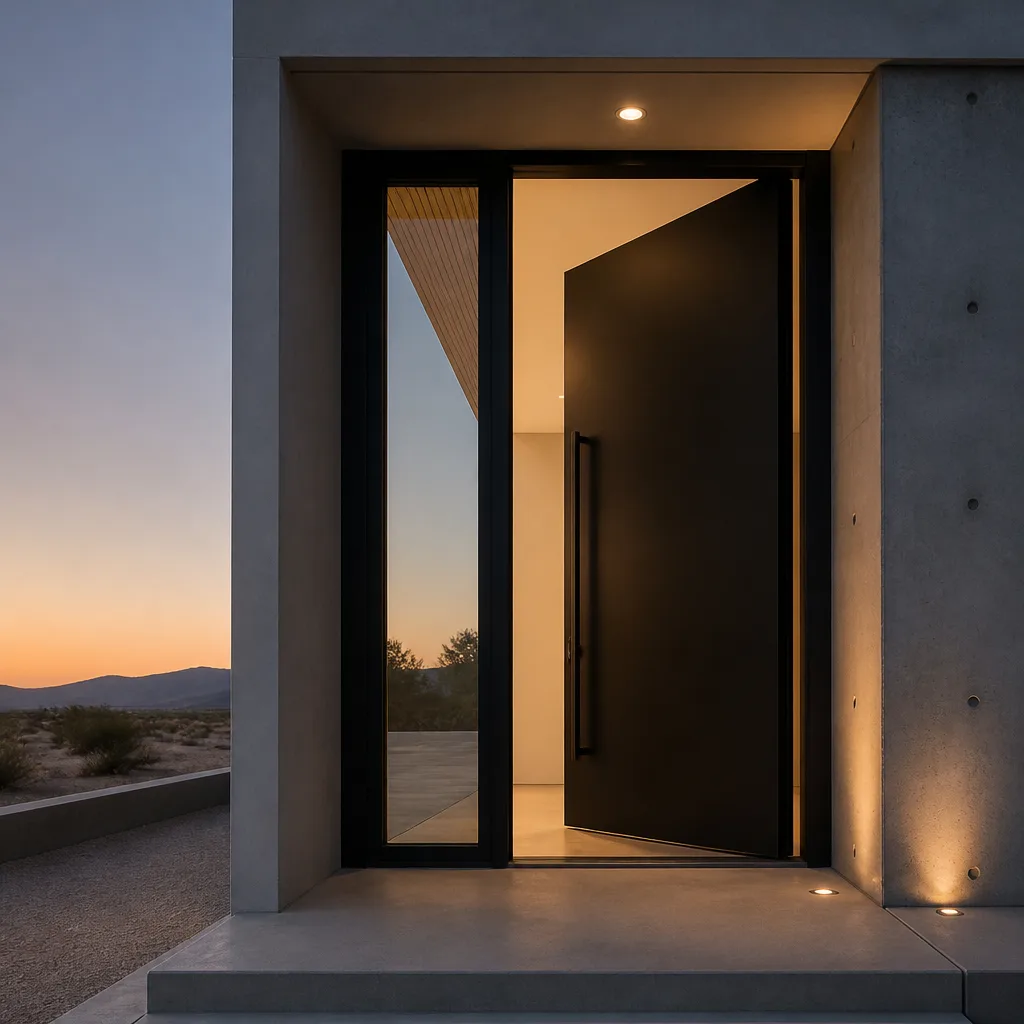
Some “the windows don’t work” complaints are not product failures at all. They are installation errors that were baked in on day one and only became visible after a season.
- Out-of-square setting. A window shimmed proud of the rough opening binds the sash, breaks the weatherstrip contact line, and leaks air. The glass is fine; the frame geometry is not.
- Missing head flashing. Water gets behind the exterior sealant at the head and finds the interior joint during a monsoon. This is often misdiagnosed as a failed IGU because the interior paint shows water stains near the glass.
- Improper backer rod. Caulk applied without a backer rod at the joint is too thin and fails at the first thermal cycle. This is why a Mesquite install can look perfect in March and fail by September.
- Wrong product for the orientation. A standard solar-heat-gain package on a west-facing Mesquite window will underperform regardless of the install quality. Product specification matters as much as the labor.
If you suspect an install error on a job that isn’t ours, a free second opinion on the written estimate or warranty position is the fastest path. We’ll read what you have and tell you what a proper Mesquite install should have included, in writing.
Common Mistakes to Avoid
- Replacing the IGU before you diagnose the frame. In our Mesquite callbacks, most IGU replacements requested by homeowners turn out to be frame seal problems. Run the incense test first.
- Using painter’s caulk on an exterior joint. It cracks within one Mesquite summer at 115°F surface temps. The tube costs less than a coffee; the leak it prevents costs hundreds.
- Mounting blackout shades flush against a low-e pane. This creates a heat trap that can stress the IGU seal and, in our experience, shortens window life. Leave an air gap.
- Calling the warranty line without a photo in hand. The single most common reason a valid claim gets refused is a missing unit photo or spec sheet. Assemble the file first.
- Applying more caulk on top of a failed bead. It doesn’t bond and it hides the failure. Remove the old bead, clean the joint, prime if the manufacturer requires it.
- Assuming the sales sheet number matches the installed window. Verify the U-factor and SHGC against the label on the window frame. If the label doesn’t match the spec sheet, you have an install problem, not a glass problem.
- Ignoring the shading interaction entirely. A well-specified window with the wrong blinds performs like a stripped-down builder-grade unit. Fix the shading before you spend money on glass.
When to Call a Professional
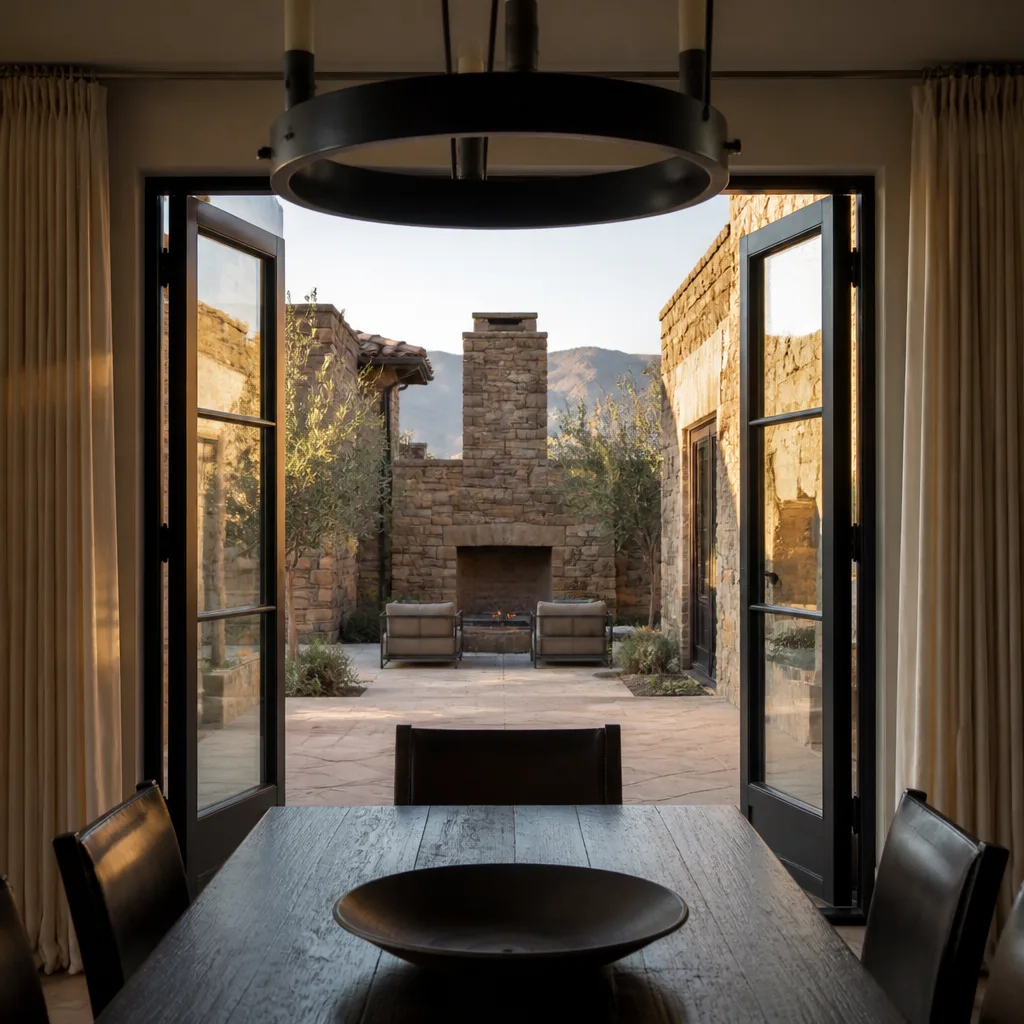
Some troubleshooting belongs in a professional’s hands. Call us when the incense test shows deflection at the interior joint of more than one window on the same facade, when you can see daylight between the sash and the frame, when water has stained the interior drywall near a window head, or when a thermal camera reading shows a 6°F or greater temperature differential at three or more windows in one room. Call us also if you have a warranty claim denied and you don’t know why. None of this involves dangerous work – a window frame is not a live electrical panel – but bad sealant work and misdiagnosed installs cause damage that compounds. Door installation in Mesquite shares the same sealant and flashing standards, and the same diagnostic logic applies if the complaint is at a patio door. Sightline Windows & Doors Mesquite offers free estimates in Mesquite – call (888) 268-5117 and we’ll schedule a measured survey.
Frequently Asked Questions
In our experience, the most common reason is a failed perimeter sealant joint, not a failed glass unit. Mesquite’s temperature swings accelerate exterior caulk failure, so a window that performed well in its first summer often leaks at the frame joint by its second. The other common cause is interior shading that traps solar heat against the glass. Both are fixable without replacing the window.
Internal fog between the panes that cannot be wiped off the surface is the signal. If the moisture forms on the outside face of the glass in the morning and burns off by midday, that is exterior condensation and normal for low-e glass. Take a photo with a tape measure against the glass before calling anyone, because that photo is required by nearly every manufacturer warranty claim.
You want a high-performance polyurethane sealant rated for at least 120°F continuous surface exposure with UV resistance; most Mesquite installs see frame surface temperatures well above that in July. Basic painter’s caulk does not have that rating and cracks within one summer here. Always read the tube’s service temperature rating before you buy.
Yes. A dark, tightly closed blind mounted flush against a low-e pane traps solar heat between the glass and the shade, raising both the room temperature and the stress on the IGU seal. The fix is a light-colored blind with a two-inch air gap from the glass, or an exterior solar shade on west-facing windows. In our experience this is the single most overlooked cause of “the windows don’t work” complaints in Mesquite.
The original spec sheet or written quote (to confirm brand, model, U-factor and SHGC), a photo of the unit with a tape measure in frame, a close-up of the failed seal edge, a wide shot of the whole window, and a dated timeline of when the fogging started. Most first-call refusals are procedural and clear up when you resubmit with the missing photo or spec in hand.
Backer rod behind the sealant joint, a high-temperature-rated polyurethane bead on the exterior, proper head flashing, a square-set frame, and a written scope that names each product by brand and performance tier. We specify from eight manufacturer lines including ES Windows and ECO Window Systems by what the opening and orientation require, not by what’s convenient, and every job leaves a documented photo record. Call (888) 268-5117 for a free estimate.
The Bottom Line
Before you replace a glass unit in Mesquite, run the fifteen-minute diagnosis: thermal readings at the frame corners, the incense test at the interior joint, a visual check of the exterior sealant, and a check for internally fogged glass. Seven times out of ten the culprit is a perimeter sealant joint or a shading mistake, both fixable for the cost of a tube of high-temperature-rated polyurethane caulk or a repositioned blind. When the diagnosis does point to the IGU, document the failure before calling the warranty line. And when the frame itself is compromised by installation error, that’s the moment to involve a professional. We’ve installed 18,000+ windows and doors with a written price before any work started and a documented photo record when it finished, and the same diagnostic discipline governs every callback. Call (888) 268-5117 to schedule your free estimate.
Written by the team at Sightline Windows & Doors Mesquite.
Six Reasons Homeowners Choose Sightline Windows & Doors Mesquite
Laminated glass and reinforced frames hold up to wind-driven rain, hail and flying debris, so your openings stay sealed when the weather turns.
Low-E insulated impact glass from our manufacturer lines commonly cuts monthly cooling bills 20-30%.
Laminated impact glass shuts out up to 40% of outside noise - traffic, neighbors, weather.
Monitoring services run $30-90 a month. Laminated impact glass resists forced entry around the clock, with no subscription.
Tighter seals and insulated glass even out hot and cold rooms and stop the drafts at the frame.
A full impact package upgrades curb appeal, buyer confidence and appraised value in one project.
Other Sightline Windows & Doors Mesquite Services