Last updated November 18, 2026
New windows and doors improve comfort, cut energy bills and add long-term value to your home. Sightline Windows & Doors Mesquite pairs proven product lines with a local vetted installing partner for lasting performance - and a price put in writing.
Choose your installer
The unit is half the job - the install is the other half. Background-checked local installers measure, set, seal and insulate every opening, and they know the lines we quote inside and out.
Select the right products
Compare styles, materials and glass packages side by side until the fit is right for your rooms, your budget and your goals. The product-line comparison below is the place to start.
Prepare your home for install
Before install day we walk you through a short checklist - furniture pulled back, treatments down, a clear path to each opening - so install day is watch-it-happen, not scramble.
Compare the Lines We Quote
Every project is priced on the same lines, side by side - the price indicators below are relative, and your consultant shows exact numbers on your actual openings.
PGTThe line homeowners arrive naming - the most impact certifications in the industry$$$
- More impact certifications than any other line we quote
- WinGuard, EnergyVue and ClassicVue Max systems built for every wind zone
- 99% on-time delivery keeps your install date on the calendar
CGIThe heavyweight impact line$$$$$
- Large-missile impact ratings for the strictest wind zones
- Architectural-grade aluminum with commercial-depth frames
- The line we quote when protection is the whole point
CWSThe value pick$$
- Vinyl systems built to strict wind codes
- Strong energy packages at the friendliest price point
- The smart start for whole-home replacements on a budget
ESWSlim lines, big glass$$$$
- Narrow-sightline aluminum for modern elevations
- Oversized openings and floor-to-ceiling glass
- Impact-rated without the bunker look
ECOThe aluminum impact workhorse$$$
- Factory-built aluminum impact systems
- A strong price-to-protection ratio for coastal homes
- Proven lines with short lead times
Energy-Efficient Windows Warning Signs Every Homeowner Should Know
Here’s the number that should get your attention: a 15% jump in summer cooling costs, in a home where nothing else changed, is a measurable warning sign of window seal failure. It shows up on your power bill months before the glass ever fogs. In our experience across Mesquite, homeowners catch the fog and miss the bill, which means the window has been quietly underperforming for a year or more by the time anyone calls. This guide teaches you to read the early signals: what your monthly usage is telling you, the physical order in which insulated glass fails, and exactly what to photograph and record so a contractor’s visit produces a written finding instead of a guess.
Quick Answer
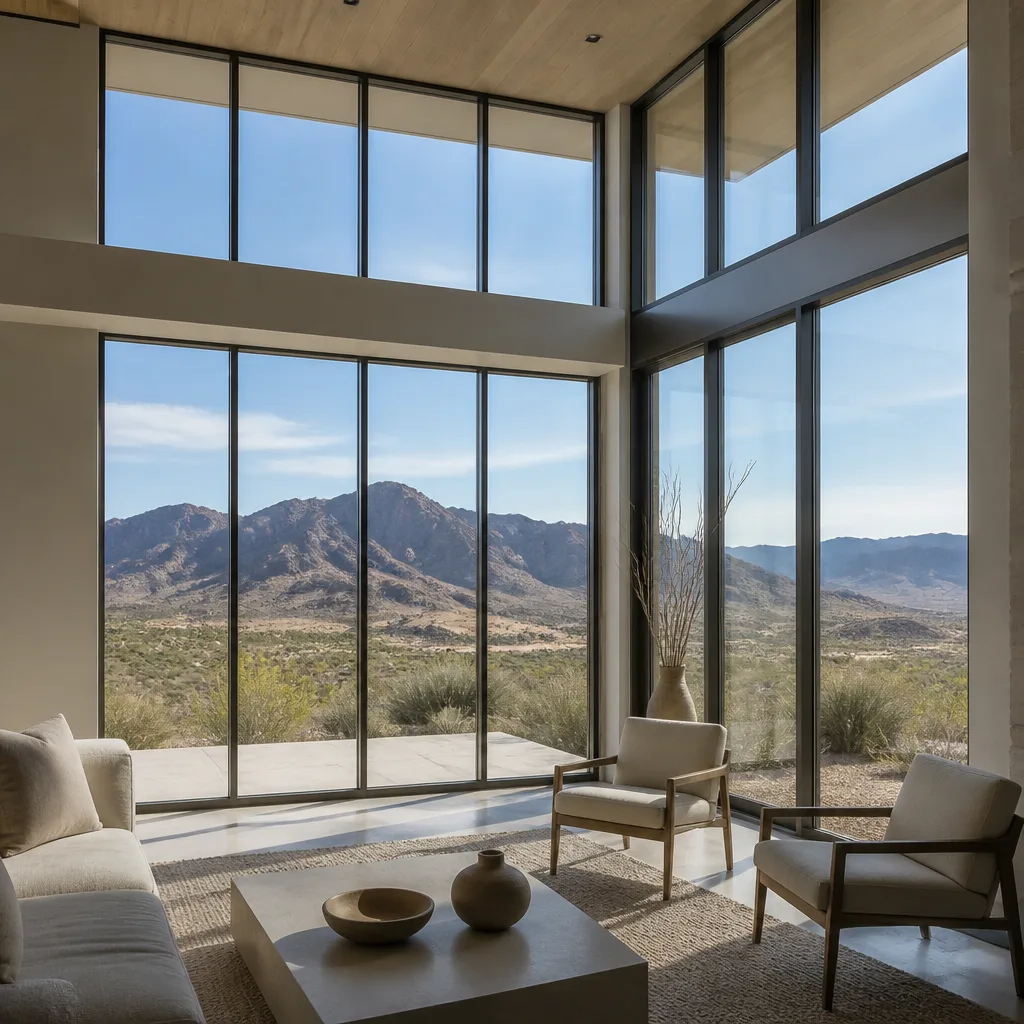
Energy-efficient windows fail in a predictable sequence, and the first signs are performance signals, not visible ones. Watch for a sustained rise in cooling or heating costs, condensation between the panes, a foggy or hazy pane, frame discoloration, and drafts near the sill. Catching these early lets you document the problem before anyone can write it off as normal variation.
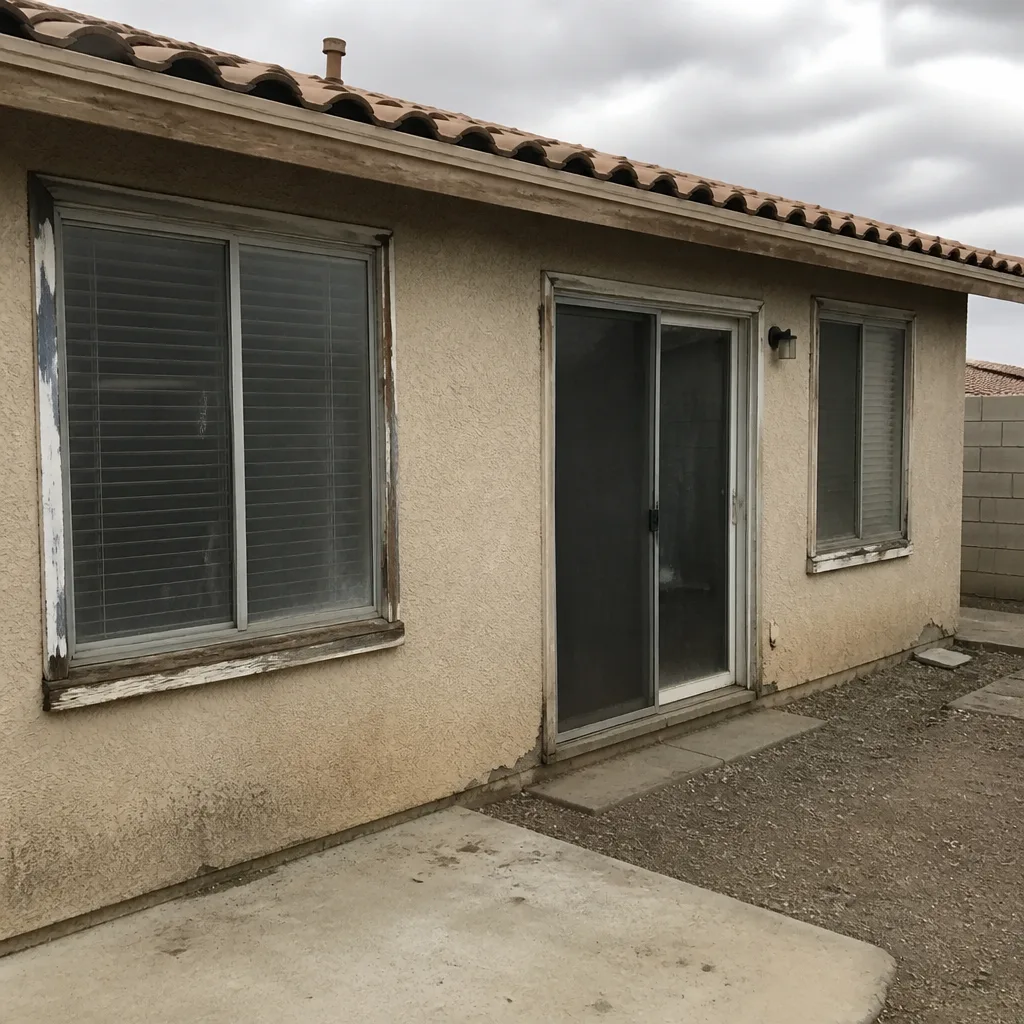 Before
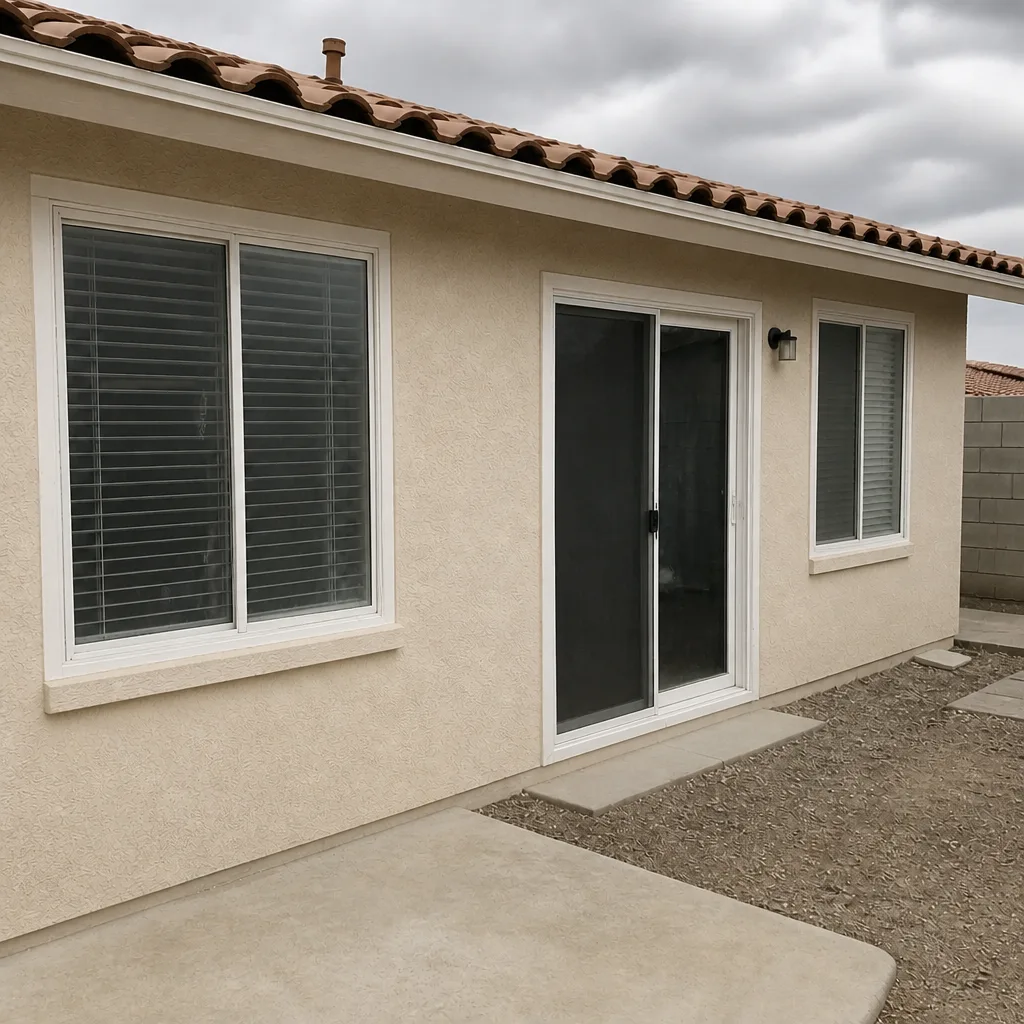 After
Table of Contents
- Your Utility Bill Is the First Warning Sign
- The Physical Sequence of IGU Seal Failure
- Frame and Sill Warning Signs Specific to Mesquite
- Is It the Window or the HVAC? How to Tell
- What to Photograph and Record Before You Call Anyone
- Reading U-Factor and SHGC Before You Buy a Replacement
- Common Mistakes to Avoid
- Frequently Asked Questions
Your Utility Bill Is the First Warning Sign
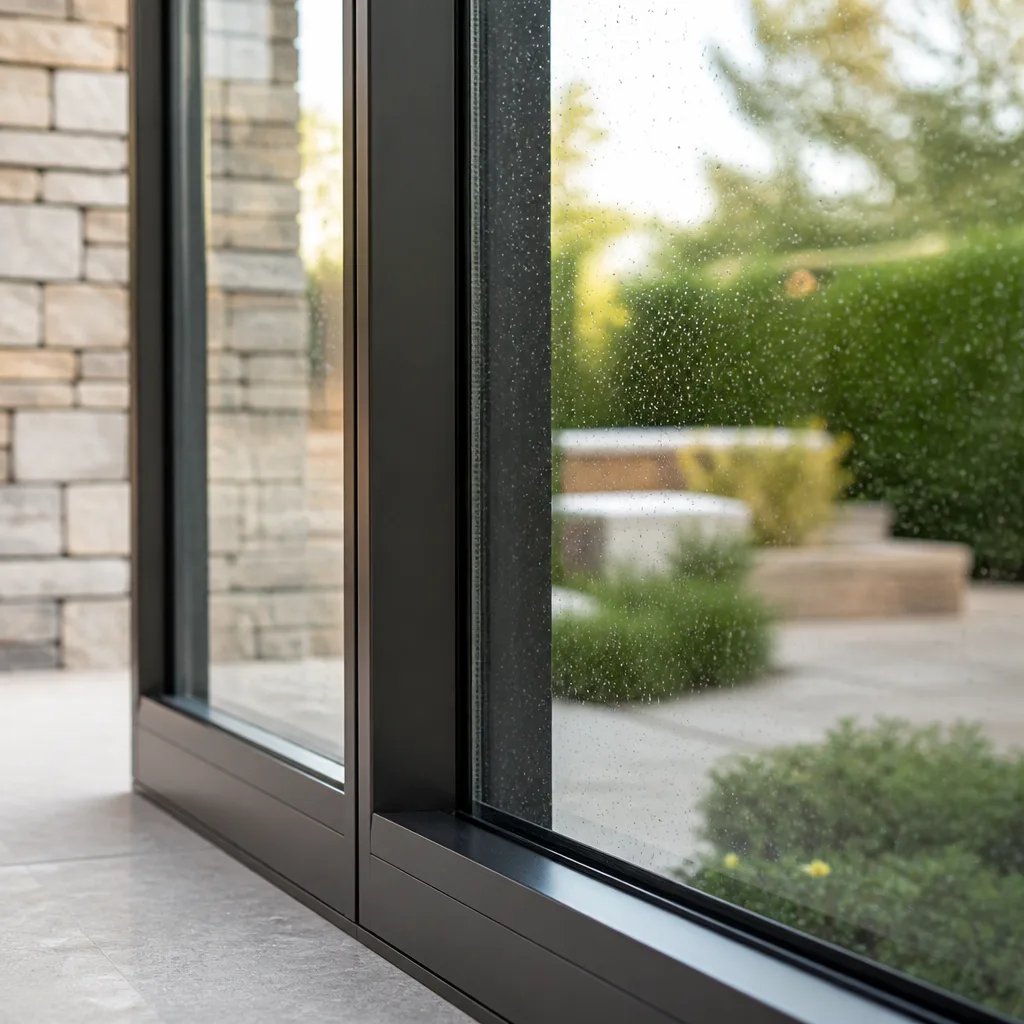
Every window in your home has a U-factor, which is the rate at which it lets heat move through the glass and frame. Lower is better. When the sealed unit holds, that number stays roughly constant. When the seal goes, the number creeps up and your air conditioner works harder to hold the same indoor temperature. You won’t feel that as a draft. You’ll feel it as a bill.
The trick is having a baseline. If you’ve kept your power bills, even loosely, you already have the most useful diagnostic tool available to you. Here’s how to read it:
- Pull twelve months of bills and match them to the same months in the prior year. Seasonal comparison matters more than month-to-month.
- Compare the same season, not the same month. July against last July, January against last January, in kilowatt-hours rather than dollars so rate changes don’t confuse the picture.
- Flag any sustained rise of 10% or more where nothing else changed: no new appliance, no added family member, no HVAC work.
- Treat 15% as the inspection threshold. That is the point where a professional window assessment is worth the visit, especially in a home built or renovated in the last decade.
Mesquite summers push air conditioners hard, so a failing window here shows up faster than it would in a milder climate. If your usage climbed through June and July while your thermostat settings stayed put, the envelope of the house changed somewhere. Windows are a common culprit, and the glass is the easiest part to check. For a full picture of how a replacement is scoped and priced, see our Window Replacement in Mesquite page.
The Physical Sequence of IGU Seal Failure
An insulated glass unit, or IGU, is two or three panes sealed around a spacer with a gas fill between them. The gas (argon or krypton) is what gives a modern window most of its insulating value. When the perimeter seal fails, the unit degrades in a fixed order, and knowing the order is how you avoid waiting for the obvious symptom:
- Gas loss. The seal breaches and the insulating gas escapes, replaced by ordinary air. The window looks perfect. Performance drops. This is the stage your utility bill catches.
- Edge seal moisture. Moisture works past the failed seal and reaches the spacer. You may see a faint haze at the very edge of the glass, or nothing at all. Performance is already down.
- Visible fogging or condensation between the panes. This is the stage everyone recognizes, and it’s the last one. By the time you see it, the unit has been underperforming for well over a year, often closer to two.
That timeline is the whole argument for reading performance signals. The fog is a lagging indicator. A blistered seal, a hazy edge, or a climbing power bill is a leading one. If you’re seeing stage three and wondering whether the pane can be repaired, it can’t; the sealed unit is replaced as a unit. Our Window Installation in Mesquite page walks through what a replacement involves from survey to final photo record.
Frame and Sill Warning Signs Specific to Mesquite
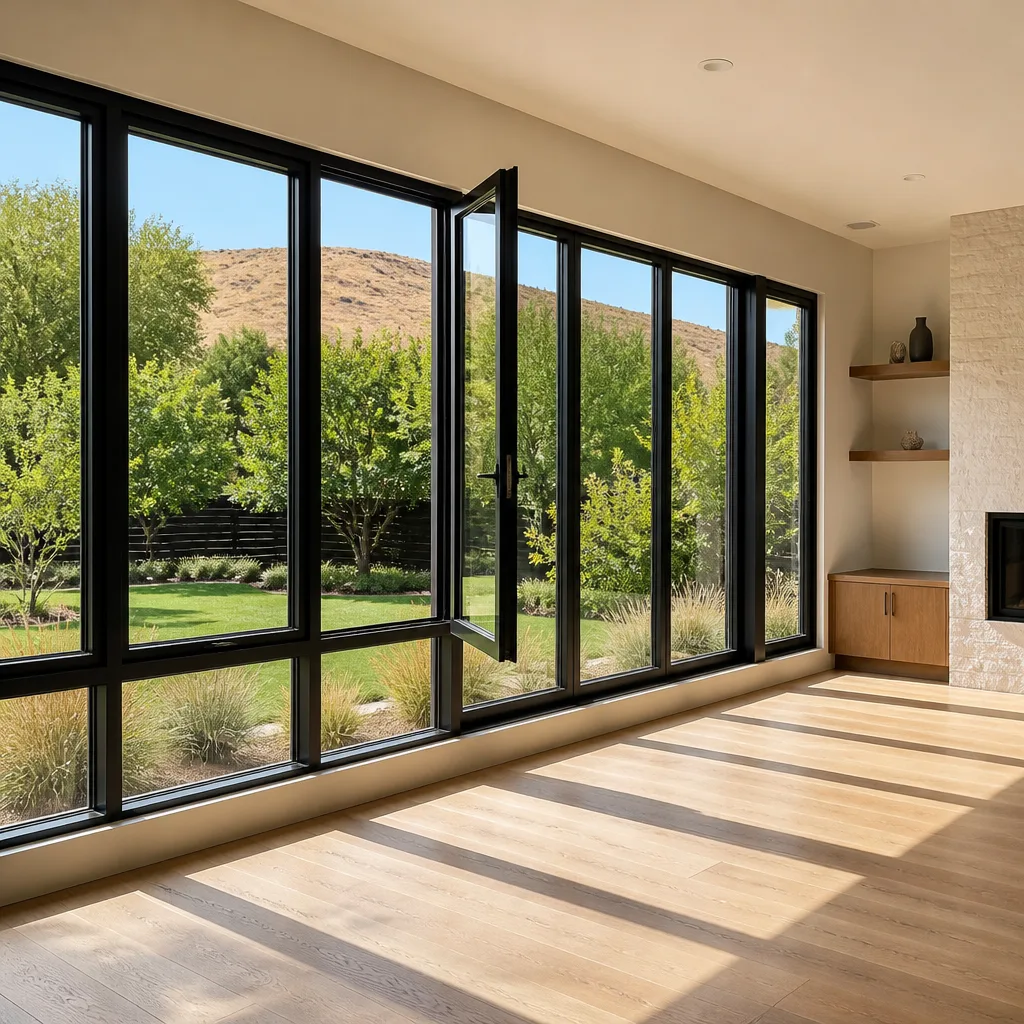
Mesquite’s climate is unusually hard on the components around the glass. Intense UV, low humidity, and summer temperatures that bake a south- or west-facing wall all day combine to age frames faster here than in coastal or humid markets. The glass can be fine while the frame around it is quietly failing. Watch for these:
- UV-bleached frames. Vinyl that has gone chalky or lightened unevenly has lost plasticizers to sun exposure. It becomes brittle and less able to hold a tight seal. On a west-facing wall in Mesquite, this can happen faster than the manufacturer’s rated life.
- Corner gap formation. Look at the mitered corners where frame sections meet. A hairline gap that opens in summer and closes in winter signals thermal movement the frame can no longer absorb.
- Sill paint bubbling or flaking. Paint lifting on an interior sill often means moisture is migrating through or around the unit, not just sitting on the surface. That points to a seal or flashing problem.
- Staining or softness at the sill. Press a screwdriver handle into the wood at the sill. If it gives, water has been getting in for a while.
- Condensation on the interior glass surface. That’s a different problem from between-the-panes fog. Interior condensation points to a failed seal to the interior, or a humidity and ventilation issue. Either way, it’s worth a look.
If you’re also watching an entry or patio door, the same UV exposure affects door frames and thresholds. Our Door Installation in Mesquite page covers what we check on doors that face the same sun.
Is It the Window or the HVAC? How to Tell
This is the question that wastes the most time and money. A slowly failing air conditioner and a slowly failing window produce almost identical utility bill symptoms. Both push usage up in summer, both show a gradual drift you might not notice for months. Here’s how to sort them out before you call anyone.
Think like a detective, not a guesser. A window problem is usually localized; an HVAC problem is usually whole-house. Use these tests:
- The room-by-room test. Note which rooms feel warmest in the afternoon. If it’s consistently the west- or south-facing rooms near specific windows, suspect glass. If the whole house runs warm evenly, suspect the system.
- The afternoon-only pattern. Failing glass shows its worst performance during peak sun. An HVAC problem shows up when the system runs longest, which may be evening or overnight.
- The touch test on glass. On a hot day, compare the interior surface temperature of suspect windows against windows on a shaded side. A significant difference is a clue, not proof, but it narrows the field.
- The service log. If the HVAC system hasn’t been serviced in two years, get that done first. It’s cheaper than a window survey and eliminates the most common false alarm.
In our experience in Mesquite, roughly half the calls that start as “my windows are failing” turn out to be a duct or refrigerant issue the homeowner hadn’t considered. A careful survey tells you which it is before anyone quotes a replacement.
What to Photograph and Record Before You Call Anyone
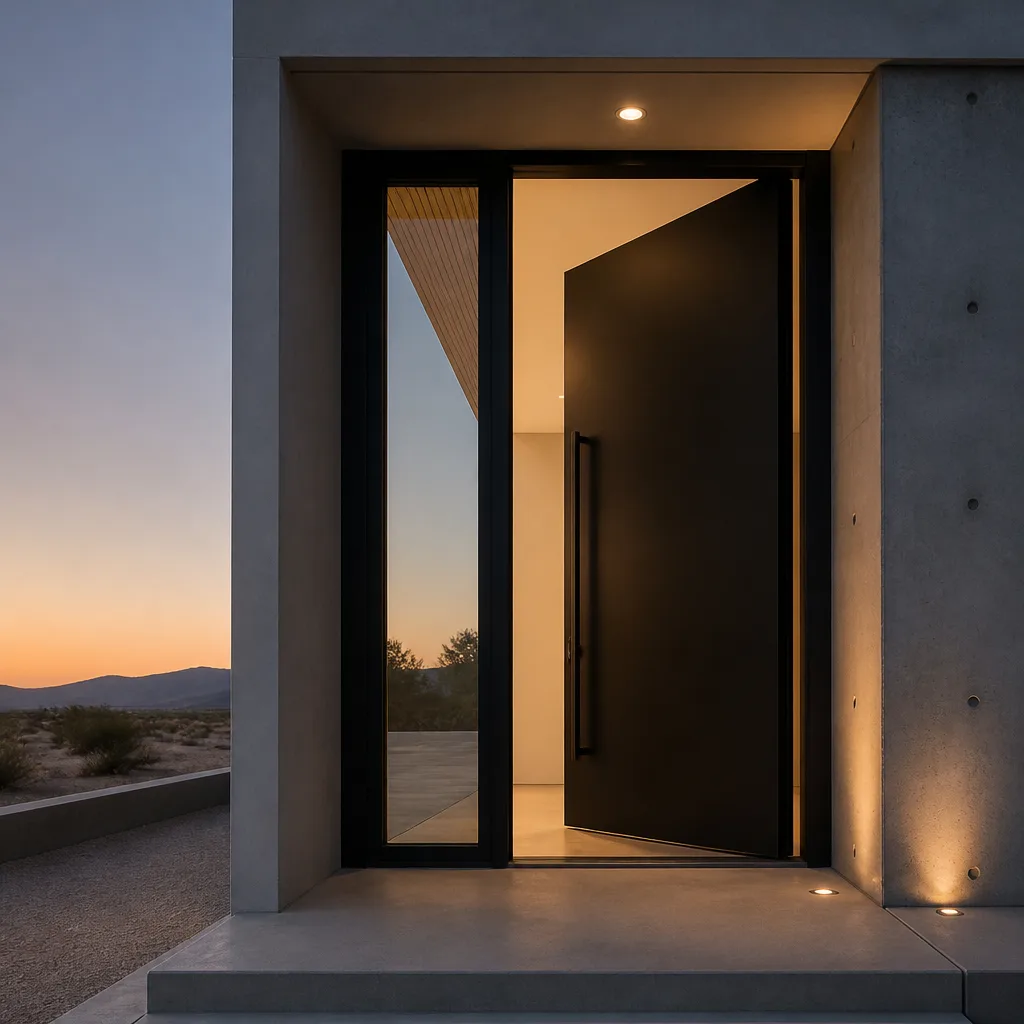
This is the step most homeowners skip, and it’s the one that turns a diagnostic visit into a written finding instead of a sales guess. When you can show a contractor exactly what you saw and when, the conversation starts from evidence. Here’s the list to work through:
- Photograph each suspect window in full, plus a close-up of the seal edge, the corner joints, and the sill. Take one photo in direct sun and one in shade if you can.
- Photograph the fog or haze with a plain background behind the glass. A white sheet taped outside makes between-pane condensation much easier to see.
- Write down which way each window faces. West and south-facing glass fails first in Mesquite. Orientation is part of the diagnosis.
- Note the approximate age of the window if you know it, from a home inspection report or the original build date. Age tells a technician whether failure is premature.
- Record the utility comparison. Same-season usage across two years, in kilowatt-hours. One page. This is the evidence that performance dropped.
- Measure the gap at any failed corner with a feeler gauge or a business card. A measured gap is more useful than “it looks open.”
- Write down when you first noticed each signal. A dated timeline lets a contractor distinguish a slow decline from a sudden event.
Bring that record to a professional assessment and you’ll get a written finding that references what you documented. Sightline Windows & Doors Mesquite runs every job under the Haven Standard, where the measured survey and the written quote are the same document. That starts with the homeowner’s own record. You can see how the full process works from the Sightline Windows & Doors Mesquite home page.
Reading U-Factor and SHGC Before You Buy a Replacement
If a window has failed, the replacement decision is where most of the money is won or lost. Two numbers on the product label do most of the work, and each deserves one plain-English translation:
- U-factor measures how fast heat moves through the assembly. Lower is better. In Mesquite’s cooling-dominated climate, look for a lower U-factor on the windows that take the most afternoon sun.
- Solar heat gain coefficient (SHGC) measures how much of the sun’s heat the window lets in. Lower means less heat admitted. In a climate where summer cooling drives the bill, a lower SHGC on west-facing glass usually matters more than a slightly better U-factor.
The brands we specify span a range of performance tiers: ViewLux, PGT, and CGI all offer lines with strong solar control suited to desert and semi-arid climates, and the right choice depends on the opening, not on what’s popular. We specify product lines by what the opening requires, which is why an assessment comes before a product list. Our team has technicians with up to 14 years of experience reading these ratings against the actual window, in the actual wall, on the actual compass point.
Common Mistakes to Avoid
- Waiting for fog as your only cue. By the time glass fogs between the panes, the unit has been underperforming for a year or more. The fog is the last symptom, not the first.
- Ignoring a 15% bill jump as “just summer.” In Mesquite, a genuine climate swing can move usage, but a sustained jump with no other change warrants a look. Don’t attribute to weather what you can verify with last year’s bills.
- Painting over a bubbling sill. Paint bubbling means moisture is migrating, not that the surface is worn. Covering it hides the evidence and lets the water keep working.
- Replacing one fogged unit and leaving the rest. Glass installed on the same day in the same build tends to fail on a timeline together. A survey of all windows usually saves a second round of calls.
- Getting quotes before a survey. A replacement price without a measured survey is a guess dressed up as a quote. Ask for the written document that came from the measurement.
- Blaming the windows for an HVAC problem. Whole-house warmth on an even pattern usually points to the system, not the glass. Service the HVAC first if it’s overdue.
- Forgetting to record what you see. A clear photo record and a dated timeline are what turn a guess into a documented finding. Take them before anyone visits.
When to Call a Professional
Call a professional when you’ve documented a sustained utility increase of 15% or more with no other explanation, when you see between-pane fog or haze on any window, when frame corners are opening or sills are bubbling, or when a window is drafty or rough enough that repairing it yourself could make things worse. Window replacement on an upper floor or a large sightline unit is not a homeowner job; the weight and the fall risk are real, and a leak caused by bad installation is expensive to undo. Sightline Windows & Doors Mesquite offers free estimates across Mesquite – call (888) 268-5117 to schedule, and bring your documented record so the visit starts from evidence.
Frequently Asked Questions
The earliest sign is a sustained rise in your utility bill with no other change, often 10-15% or more. That shows up before any fog because the insulating gas escapes first, replacing the vacuum with ordinary air. Follow the bill with a look at the seals: haze or moisture at the pane edge, condensation between the panes, and frame or sill changes are the next indicators. Call (888) 268-5117 for a free estimate if you’re seeing a pattern.
The sealed glass unit is replaced as a unit; the perimeter seal itself isn’t something that can be patched and re-gassed in the field. In some cases only the IGU is swapped and the frame stays. In others the frame is failing too, and the whole window is replaced. A measured survey tells you which. Call (888) 268-5117 to schedule a free estimate.
Fog typically appears a year or more after the seal has already failed. The sequence is gas loss first, edge seal moisture second, visible fogging third. So the visible fog marks the late stage, not the beginning. A bill jump or a hazy edge is the earlier, more useful signal.
A failed seal lets moisture past the spacer and into the sill and wall cavity, which can stain or soften the wood. It’s a moisture problem before it’s a health one, and it’s cheap to document early. Get a professional assessment if you see sill bubbling or softness. Call (888) 268-5117 for a free estimate.
Fog between the panes means the sealed unit has failed. Condensation on the interior glass surface means the failure is at the interior seal or the humidity is high indoors. The first is a glass problem; the second may be ventilation or a seal at the frame. Both are worth documenting. Call (888) 268-5117 for a free estimate.
Yes, and do it before you sign. A written quote is only as good as the survey behind it, so bring the competitor’s estimate to us and we’ll review it at no charge. We offer a free second opinion on any written estimate. Call (888) 268-5117 to set one up.
The Bottom Line
Energy-efficient windows fail in a fixed order: gas escapes, the seal takes on moisture, and only then does the glass fog. The utility bill is your earliest and cheapest diagnostic tool. Watch for a sustained 10-15% rise, photograph the seals, corners, and sills, record which way each window faces, and note when you first saw each sign. That record is what turns a contractor’s visit into a written finding instead of a guess. In Mesquite’s UV, the frames age fast, so check them alongside the glass. Read the early signals and you’ll replace the window on your terms, not the manufacturer’s.
We install energy-efficient and impact-rated windows across Mesquite from lines including ViewLux, PGT, CGI, and CWS, and every job carries the 365-Day Done Right Promise under the Haven Standard: if it’s not done right, we make it right. Call (888) 268-5117 for a free estimate.
Written by the team at Sightline Windows & Doors Mesquite.
Six Reasons Homeowners Choose Sightline Windows & Doors Mesquite
Laminated glass and reinforced frames hold up to wind-driven rain, hail and flying debris, so your openings stay sealed when the weather turns.
Low-E insulated impact glass from our manufacturer lines commonly cuts monthly cooling bills 20-30%.
Laminated impact glass shuts out up to 40% of outside noise - traffic, neighbors, weather.
Monitoring services run $30-90 a month. Laminated impact glass resists forced entry around the clock, with no subscription.
Tighter seals and insulated glass even out hot and cold rooms and stop the drafts at the frame.
A full impact package upgrades curb appeal, buyer confidence and appraised value in one project.
Other Sightline Windows & Doors Mesquite Services
What Neighbors Say About Sightline Windows & Doors Mesquite