Last updated November 18, 2026
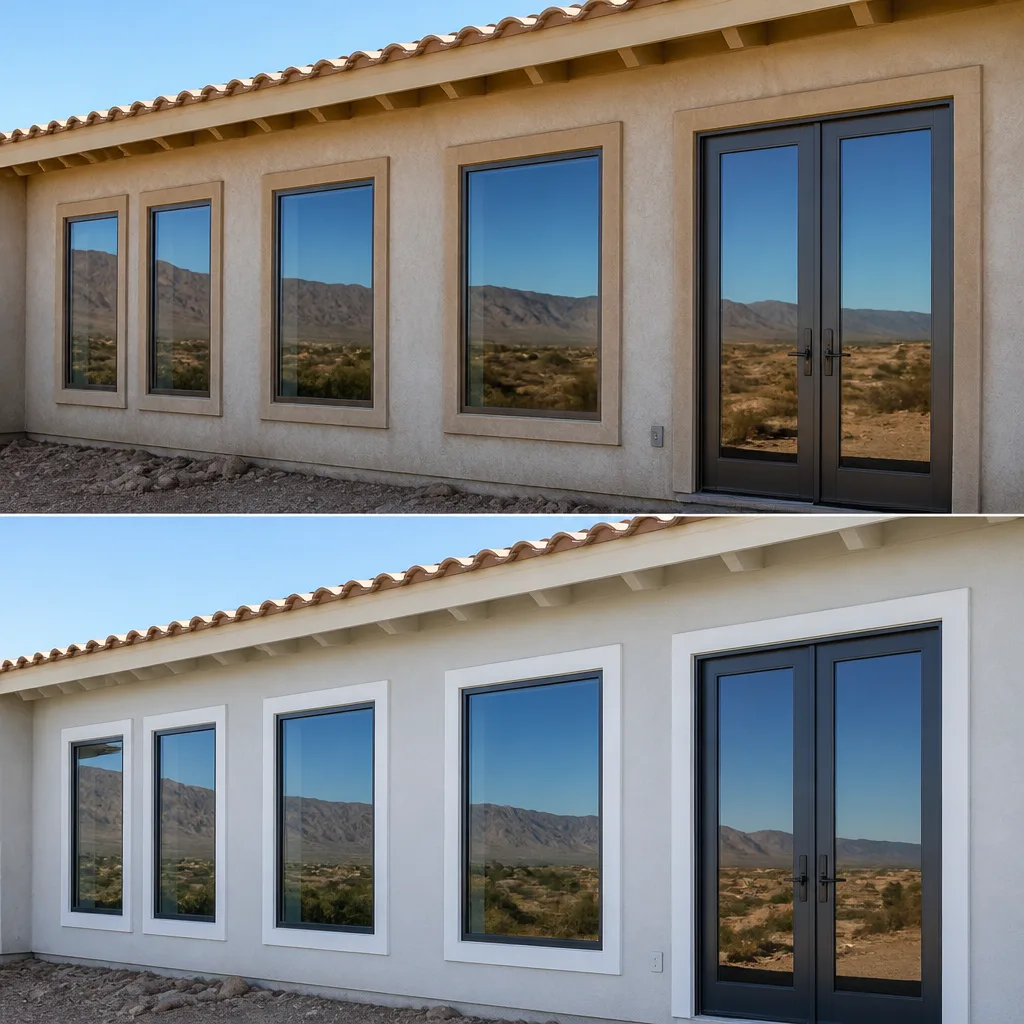
New windows and doors improve comfort, cut energy bills and add long-term value to your home. Sightline Windows & Doors Mesquite pairs proven product lines with a local vetted installing partner for lasting performance - and a price put in writing.
Choose your installer
The unit is half the job - the install is the other half. Background-checked local installers measure, set, seal and insulate every opening, and they know the lines we quote inside and out.
Select the right products
Compare styles, materials and glass packages side by side until the fit is right for your rooms, your budget and your goals. The product-line comparison below is the place to start.
Prepare your home for install
Before install day we walk you through a short checklist - furniture pulled back, treatments down, a clear path to each opening - so install day is watch-it-happen, not scramble.
Compare the Lines We Quote
Every project is priced on the same lines, side by side - the price indicators below are relative, and your consultant shows exact numbers on your actual openings.
PGTThe line homeowners arrive naming - the most impact certifications in the industry$$$
- More impact certifications than any other line we quote
- WinGuard, EnergyVue and ClassicVue Max systems built for every wind zone
- 99% on-time delivery keeps your install date on the calendar
CGIThe heavyweight impact line$$$$$
- Large-missile impact ratings for the strictest wind zones
- Architectural-grade aluminum with commercial-depth frames
- The line we quote when protection is the whole point
CWSThe value pick$$
- Vinyl systems built to strict wind codes
- Strong energy packages at the friendliest price point
- The smart start for whole-home replacements on a budget
ESWSlim lines, big glass$$$$
- Narrow-sightline aluminum for modern elevations
- Oversized openings and floor-to-ceiling glass
- Impact-rated without the bunker look
ECOThe aluminum impact workhorse$$$
- Factory-built aluminum impact systems
- A strong price-to-protection ratio for coastal homes
- Proven lines with short lead times
Window Installation Troubleshooting: Common Problems and How to Fix Them
If you replace a fogged insulating glass unit without fixing the failed sill pan flashing underneath, it will fog again within 18 months. That’s the part most homeowners never hear, and most warranties quietly exclude. Replacing the glass runs $80 to $220. Fixing the drainage layer that killed it costs less than a second glass swap, and it’s the only repair that holds. This guide teaches you to trace a window symptom back to its real failure point, so you can have a documented, productive conversation with any contractor in Mesquite instead of arguing about what a window “feels like” it’s doing.
Quick Answer
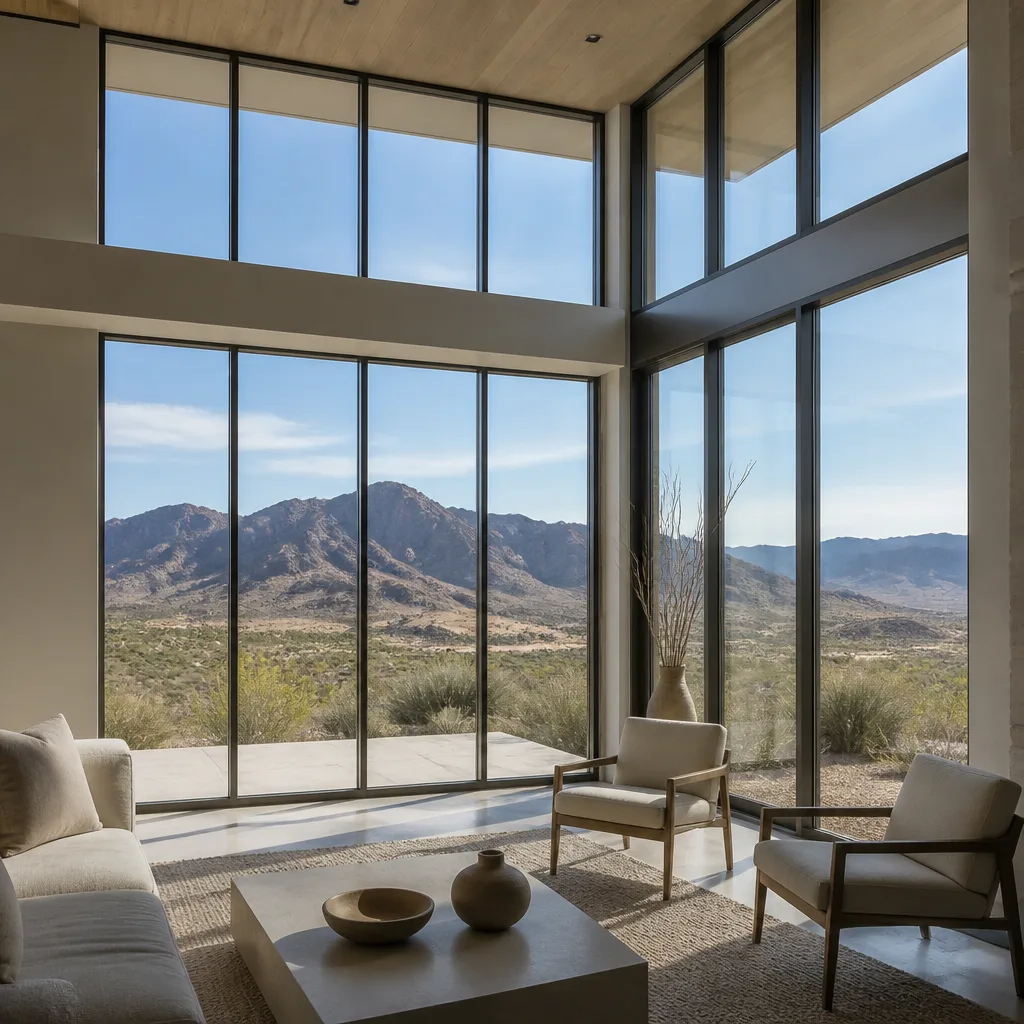
Most window installation problems that look like glass failures are actually failures at the rough opening or the flashing layer, introduced before the window ever arrived on site. Troubleshoot by tracing the symptom backward: water and draft point to flashing and shimming, fog between panes points to a failed IGU seal, and interior condensation that wipes away points to indoor humidity, not your window. Document what you find with photos and measurements before you call anyone.
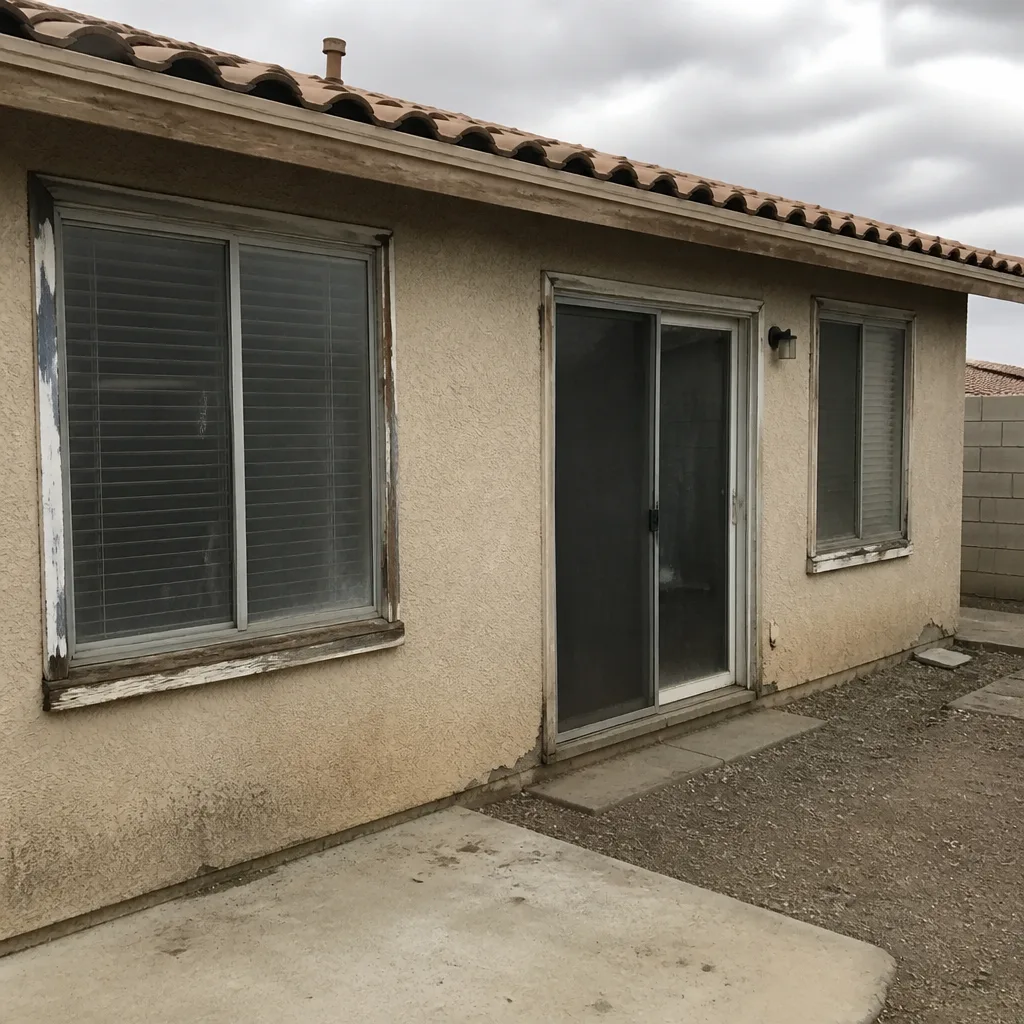 Before
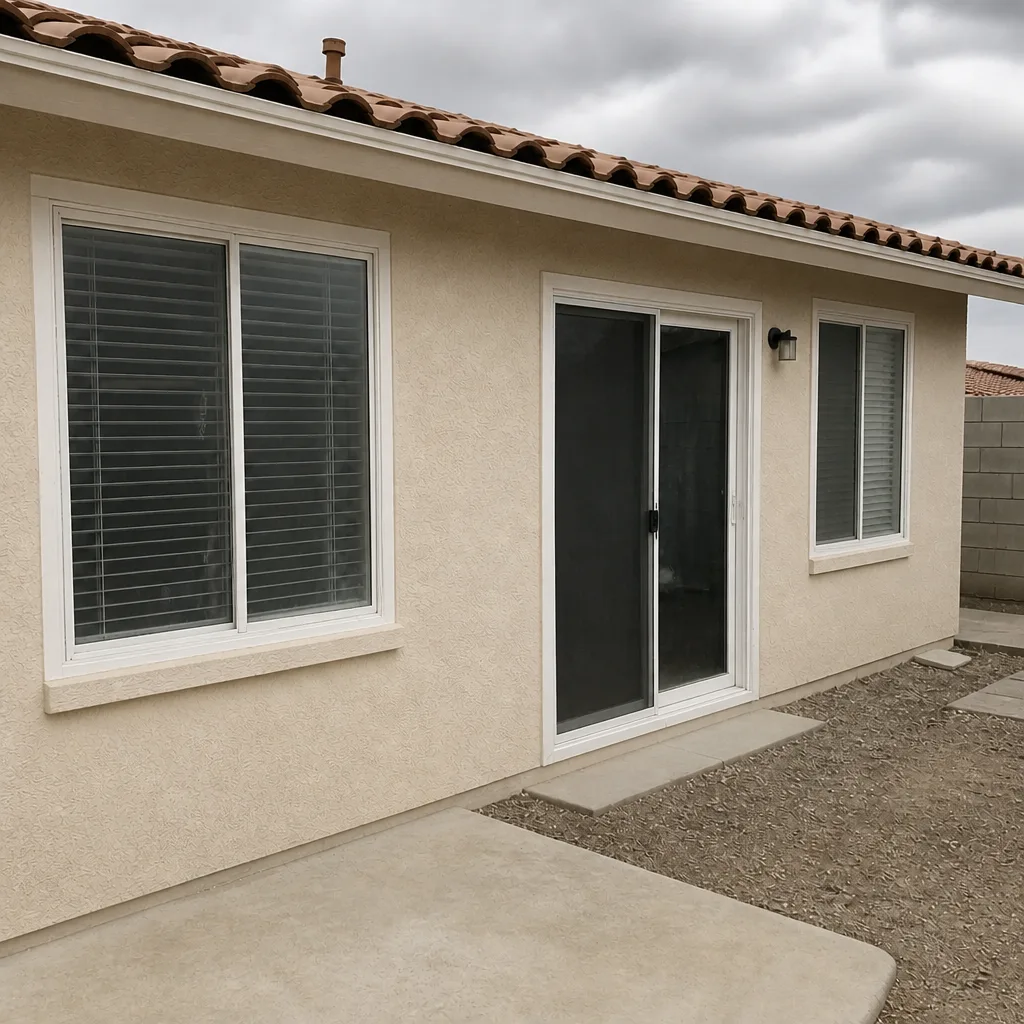 After
Table of Contents
- Failed IGU Seal vs. Condensation: Telling Them Apart
- The Three Flashing Failure Points and the Garden Hose Test
- What Racking Is and How to Measure It With a Combination Square
- Reading the Installation Photo Record
- Drafts, Rattles, and Operator Problems
- The Warranty Claim Language That Forces a Real Response
- Why Mesquite’s Climate Accelerates Certain Failures
- Repair or Replace: How to Decide
Failed IGU Seal vs. Condensation: Telling Them Apart
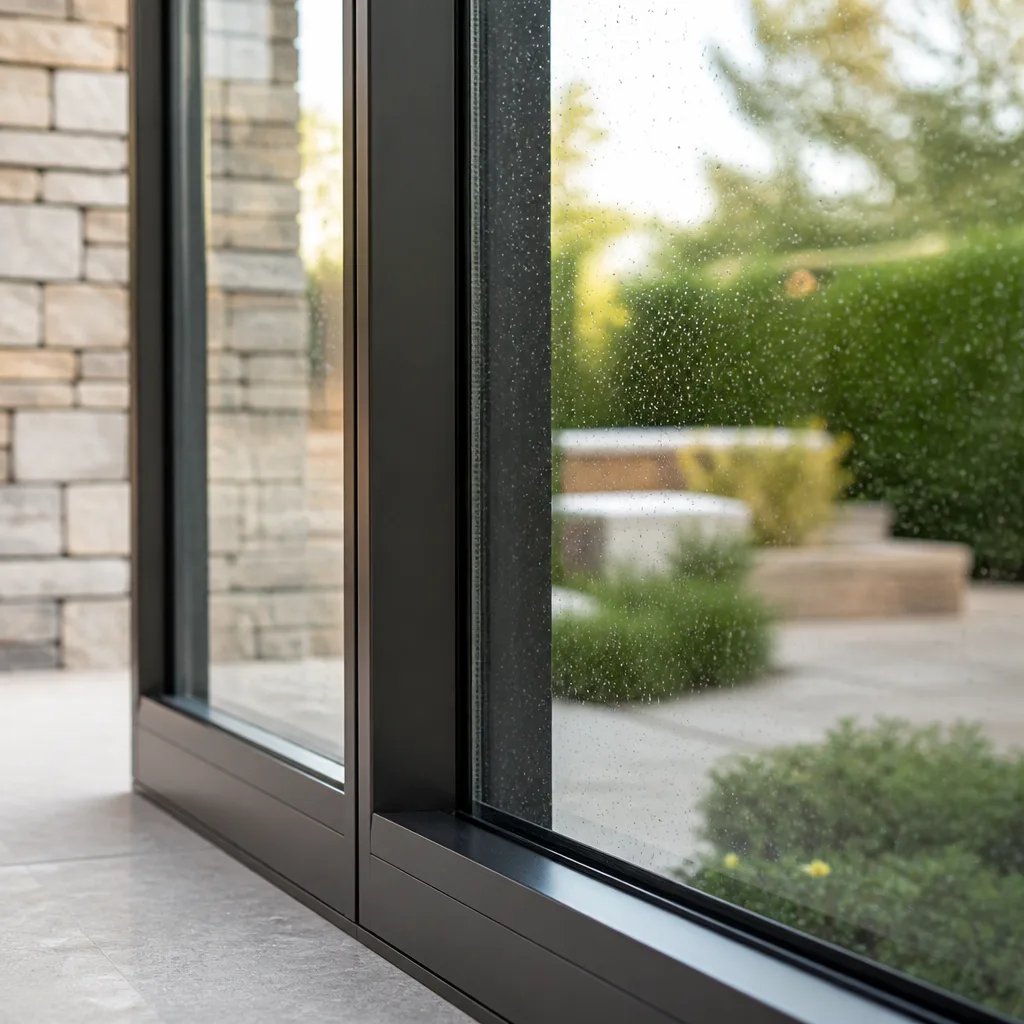
From the inside of a living room, these two problems look identical. Both put a milky haze on the glass. They have completely different fixes, and one of them isn’t a window defect at all.
An insulating glass unit, or IGU, is the sealed sandwich of two panes with an air or argon gap between them. That gap is filled with a desiccant and sealed at the edge. When the perimeter seal fails, moisture enters the gap and the unit fogs permanently. The tell is location: a failed IGU fogs between the panes, and no amount of wiping touches it. Run your hand on both sides of the glass. If you can’t reach the haze, it’s inside the seal.
Condensation from indoor humidity is different. It forms on the room-side surface, wipes away with a cloth, and usually shows up on the coldest glass in the house first, typically the north- and east-facing windows that never see direct Mesquite sun. It’s a humidity story, not a glazing story. A bathroom exhaust fan that vents into the attic instead of outdoors, or a dryer duct that’s come loose, will fog every window in the house on a cold morning and make you think all your glass went bad at once.
Here’s the distinction that matters for a claim:
- Fog that stays, between panes, in one or two windows: failed IGU seal. A glass replacement, under $80 to $220 per unit at typical Mesquite prices, but only after the underlying moisture source at the sill is addressed.
- Fog that wipes off, on the room side, across many windows: indoor humidity. Fix the ventilation, not the windows.
- Fog between panes across many windows installed at the same time: a batch or seal-quality issue worth raising with the manufacturer line, whether that’s Mr-Glass, PGT, or another supplier.
The Three Flashing Failure Points and the Garden Hose Test
Flashing is the layered weather barrier that sheds water away from the rough opening and down the wall. It’s installed before the window goes in. When it’s wrong, you get water inside the frame a year or two later, and the window gets blamed. There are three failure points we find repeatedly on Mesquite homes.
- The sill pan. The bottom horizontal layer must slope slightly outward and turn up at the interior edge. A pan that’s flat, backward-sloped, or missing the back dam traps water against the sill and lets it wick into the wall.
- The head flashing. Above the window, water shed from the wall above must pass over the top flange without a path behind it. Missing head flashing or a reversed lap sends water straight down the cavity.
- The side laps. The vertical housewrap must lap over the window flange, not under it. Shingle principle: each layer overlaps the one below so water always runs downhill and outward.
You can test for a sill failure without touching the flashing. On a dry day, run a garden hose on a gentle flow against the exterior sill for ten minutes, at the base of the window, from outside. Have someone inside watching the interior sill and the wall below it. Any moisture inside tells you the sill pan is compromised. Repeat separately at the head, then the sides, waiting for the wood to dry between tests. This isolates which of the three points is failing.
If water appears during the sill test, do not replace the glass first. The new unit will fail the same way. Confirming this before you call anyone shortens the whole repair.
What Racking Is and How to Measure It With a Combination Square
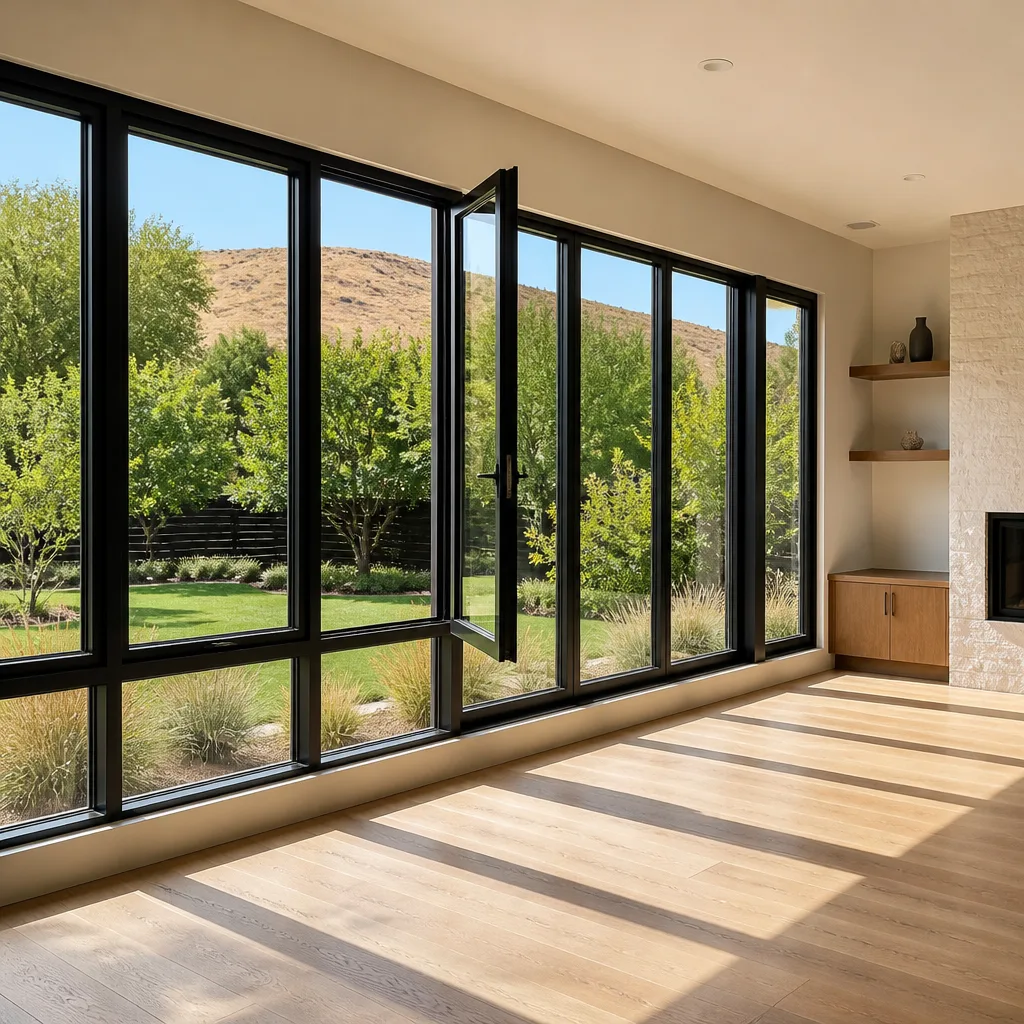
Racking is when a window frame is forced out of square. The opening was never perfectly square, or the installer over-shimmed one corner to make the sash sit straight, and the frame twisted to fit. A racked frame binds, won’t latch, and lets air past the sash gaskets. It also puts stress on the IGU edge seal, which is one reason a racked window fogs.
You can measure it with a $12 combination square.
- Open the sash and hold the square against the interior frame at the top corner, square-arm flat against the head.
- Mark the frame face where the blade meets it, or read the gap between the blade and the jamb.
- Repeat at the opposite top corner. The two readings should match. A difference of more than about 1/16 inch corner to corner is a frame that’s out of square.
- Also check the reveal: the visible gap between sash edge and jamb should be even all the way around. A reveal that’s wide at one corner and pinched at the opposite corner is the classic racking signature.
Some racking is shimmable. A frame pulled slightly by one over-driven shim near a corner can often be corrected by backing that shim out and re-leveling. Racking that has bent the frame profile, distorted the sash, or compromised the IGU edge requires pulling the unit and reinstalling it. In our experience across Mesquite’s newer builds, a surprising share of “sticking window” calls trace back to a single shim driven too hard at the rough opening, not to a defective product.
Reading the Installation Photo Record
A documented installation photo record is the single most useful piece of evidence a homeowner can hold. If your installer photographed the job, those images let you tell whether a defect was present at the rough opening or introduced during the install, which decides who pays.
Look at the photos in this order:
- Rough opening photos. Is the framed opening square, clean, and dry? Is the flashing visible and correctly lapped before the window went in? If the sill pan isn’t photographed, that’s a gap in the record worth noting.
- Pre-set photos. Do the window and opening align before fastening? A frame already out-of-square at this stage points to the opening, not the product.
- Post-set and shim photos. Are the shims at the correct points, and is the reveal even? Over-shimming at one corner shows here.
- Flashing and sealant photos. Head, sides, and sill each need a photo if the record is complete.
Every Sightline job leaves a documented photo record as standard evidence, not an upsell. If your current contractor can’t produce one, ask in writing whether a photo record exists and request it. A record that shows the flashing correct before set tells you the defect came later, at the product. A record missing that step tells you the install is unproven.
Drafts, Rattles, and Operator Problems
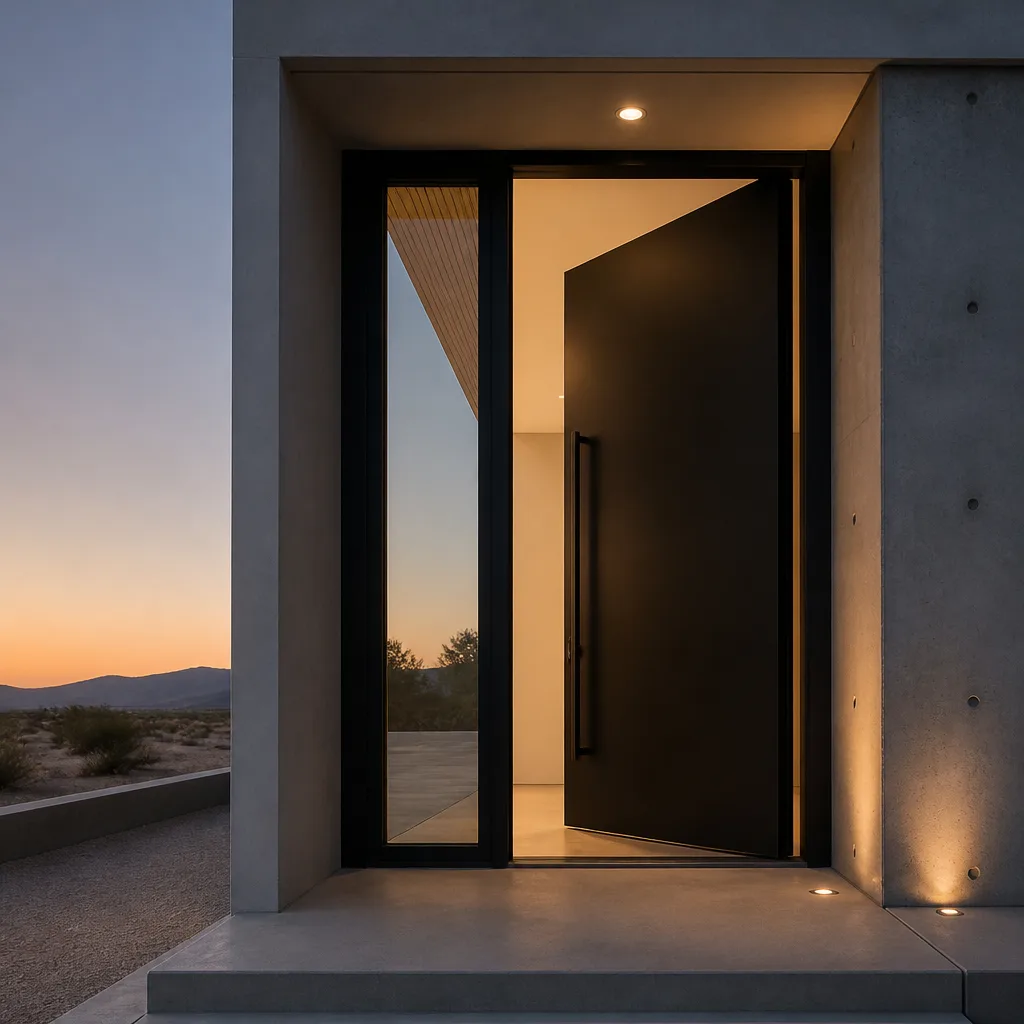
Air leaks and rattles don’t usually come from the glass. They come from the interface between sash and frame, or between frame and wall.
Common culprits:
- Missing or compressed weatherstrip. The gasket that seals the sash to the frame wears, tears, or never seated right. It’s inexpensive to replace and the most common fix for a draft.
- Racked frame (see above). A twisted frame can’t seat the sash evenly, so gaskets pinch at one corner and gap at another.
- Loose or missing frame-to-wall sealant. The perimeter joint needs a continuous, flexible bead. A hairline gap here pulls air and, in a monsoon, water.
- Operator and hardware issues. Cranks, hinges, and locks wear. A sash that won’t draw tight is usually an operator or lock adjustment, not a frame defect.
- Dragging sashes in a slider. Usually a worn roller or a track that’s out of alignment, both serviceable without replacement.
Check the weatherstrip first, running a fingertip around the sash gasket with the window closed. A draft you can feel at one spot points there. Drafts that run the whole perimeter point to the frame-to-wall seal. For a documented fix, Sightline’s window installation in Mesquite crews photograph the sealant line on every set, because perimeter integrity is what most air and water complaints trace back to.
The Warranty Claim Language That Forces a Real Response
The mistake most homeowners make in a warranty claim is describing a symptom. “My window fogs” invites a response about the symptom. “Water is entering at the sill pan flashing and the drip edge is reversed” forces a response about the defect. Contractors respond to specifics, and manufacturers’ defect exclusions are written in specific language.
Write the claim like this:
- Name the window by location and product line, and the approximate install date you have on record.
- State the defect in installation terms, not comfort terms. Not “it’s drafty” but “air infiltration at the head, gasket gap approximately 1/8 inch at the left corner.”
- State the evidence you hold. Photos of fog between panes, garden hose test results, corner-to-corner measurements from your combination square, and any installation photo record you were given.
- Ask a yes/no question. “Was the sill pan flashed per the manufacturer’s installation instructions?” A yes/no is harder to dodge than an open-ended complaint.
- Request the written warranty document that covers the item, and the specific exclusion language the company intends to apply.
A claim written this way binds the contractor to a defect, not a feeling. The 365-Day Done Right Promise means that if it’s not done right, Sightline makes it right, and the response goes to the documented defect because that’s what the record names. If you’re still choosing an installer, the window replacement in Mesquite process is where the photo record gets built, so ask for it up front.
Why Mesquite’s Climate Accelerates Certain Failures
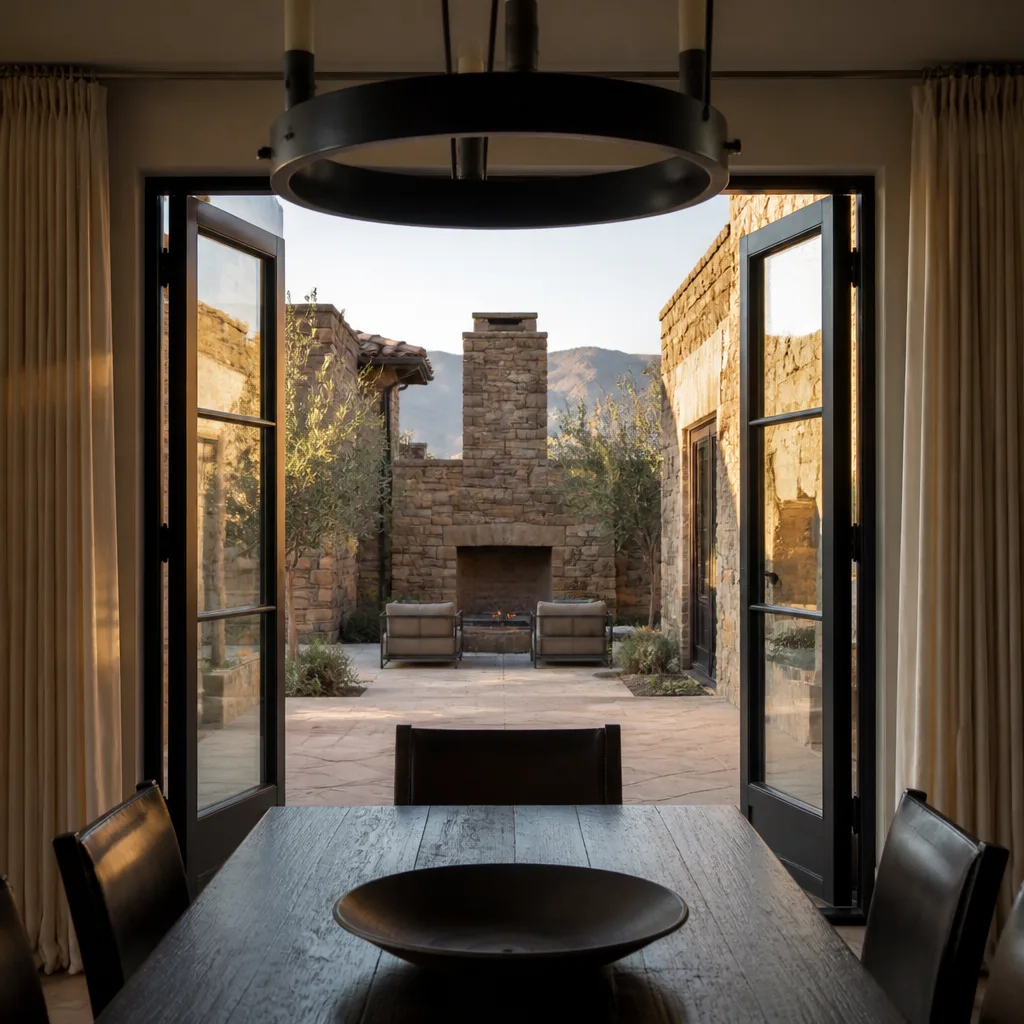
Mesquite sits in the Mojave at roughly 1,600 feet, and it earns its window problems. Summer highs routinely push past 110°F, and the daily swing between a scorching afternoon and a cooler night expands and contracts every seal, gasket, and caulk joint on the house. Over a few seasons, that cycling works the perimeter sealant loose and stresses the IGU edge seal. In short, the glass takes more thermal punishment here than in a mild climate, and any flashing or drainage flaw shows up sooner.
The monsoon season adds the other half. When rain arrives hard and fast after months of dry, water finds every gap in the flashing at once. A sill pan that sheds a gentle rain will back up under a heavy dump, which is exactly why the hose test above matters. On the homes we’ve seen in neighborhoods around Mesquite, sun-exposed south and west elevations are where sealant and glazing fail first, while north and east windows show humidity condensation before any real failure exists.
Mesquite homes built in the last decade also mean the original installs are just now crossing the window where deferred flashing problems surface. That’s the timing when a fogged unit gets blamed on the glass and the real cause sits under the sill. The Sightline Windows & Doors Mesquite home page spells out the measured-survey approach that keeps the install documented from the opening outward.
Repair or Replace: How to Decide
Not every symptom means a new window. Here’s how the decisions usually break down.
- Fog between panes, one or two units: replace the IGU, not the window, at roughly $80 to $220 per unit, after confirming the sill pan is sound.
- Draft at the sash: replace weatherstrip. Cheap, effective, no window swap.
- Racking: shim correction if the frame profile is intact; reinstall if it’s bent or the IGU edge is compromised.
- Water infiltration at the sill or head: flashing repair first. Replacing the window without fixing the flashing guarantees a repeat failure.
- Multiple failures across windows of the same age: worth pricing full replacement against piecemeal repair. Energy-efficient windows like the ES Windows and CGI lines make the math closer than most homeowners expect once you total four or five separate repairs.
For a sliding or patio door that’s racking or letting water past the threshold, the same tracing logic applies, and the fix is a different conversation; door installation in Mesquite covers how threshold flashing differs from window flashing. If you want a second set of eyes on a quote, bring a competitor’s written estimate and we’ll review it at no charge as a free second opinion.
Common Mistakes to Avoid
- Replacing the glass before fixing the flashing. The new IGU fails the same way within 18 months, and the manufacturer’s warranty excludes the subsequent moisture damage.
- Blaming condensation on the window. Fog that wipes off the room side is a ventilation problem; fix the exhaust fan or duct before spending a dollar on glass.
- Skipping the hose test. Ten minutes with a garden hose on a dry day isolates which flashing point fails, and saves you a vague argument later.
- Judging racking by eye. A $12 combination square and a corner-to-corner reading beat a feeling every time.
- Filing a warranty claim about a symptom. “It’s drafty” invites a brush-off; “1/8-inch gasket gap at the left head corner” forces a defect answer.
- Accepting a job with no photo record. Without pre-set and flashing photos, you can’t tell whether the defect existed at the rough opening or was introduced during install, and you lose the evidence that decides who pays.
- Hiring on a verbal quote. In Mesquite’s market, insist the written price match the measured survey before any work starts, so nothing changes once the crew is on site.
When to Call a Professional
Call a professional when water reaches the interior wall, when fog appears between the panes, when a frame measures out of square beyond a shimmable 1/16 inch, or when a sash won’t latch or draws air around the full perimeter. Any of these crosses from a service item into work that needs the flashing layer opened up, and getting the flashing, the rough opening, and the glass correct together is the job. Some situations are genuinely quick to fix and some are not; the tracing above tells you which you’re facing. Sightline Windows & Doors Mesquite offers free estimates in Mesquite, with a written price before any work starts and background-checked, uniformed technicians identified by license number before arrival. Call (888) 268-5117 and we’ll walk through what you’ve found.
Frequently Asked Questions
Replacing a failed insulating glass unit runs about $80 to $220 per unit at typical Mesquite prices; a full window replacement costs more because it involves the frame and flashing. The bad news is that a glass swap without fixing a failed sill pan underneath tends to fog again within 18 months. Call (888) 268-5117 for a written price before any work starts.
Not always. If the haze is between the panes and doesn’t wipe off, it’s a failed IGU seal. If it wipes off the room-side surface, it’s indoor humidity condensing on cold glass, usually from a vent or duct problem. Check which side before assuming the glass is bad.
Monsoon rain hits harder and faster than the gentle rain the flashing was tested against, so a sill pan or reversed lap that sheds a light rain backs up under a heavy one. A ten-minute garden hose test on a dry day isolates which of the three flashing points fails. Call (888) 268-5117 if you find moisture inside.
Racking is when the window frame is forced out of square, usually by over-shimming one corner; it binds the sash and can stress the glass seal. You can measure it with a $12 combination square by comparing corner-to-corner readings. Slight racking from one shim can often be corrected, but a bent frame or compromised seal needs reinstallation, so call for an assessment.
Yes. The photo record tells you whether a defect was present at the rough opening or introduced during install, which decides who pays. Pre-set and flashing photos support a specific claim. If your installer can’t produce a record, ask in writing whether one exists, and call (888) 268-5117 for a free estimate from a crew that documents every visit.
Replace the glass unit, not the window, for a single fogged IGU once the sill pan checks out. Replace weatherstrip for a sash draft. When several windows of the same age fail together, price full replacement against piecemeal repair; that’s where the numbers get close. Call (888) 268-5117 for a written line-item quote.
The Bottom Line
Trace the symptom before you replace anything. Fog between the panes is a glass or edge-seal problem, but only after the sill pan underneath is proven sound. Fog that wipes off is a humidity problem. Water, drafts, and sticking sashes point to the flashing layer or the shims at the rough opening, both installed before the window ever arrived. Measure, test, and document, then put your findings in writing so any contractor responds to the defect instead of the symptom. That’s the difference between a repair that holds and a repeat failure in 18 months.
Ready to stop guessing and get the real cause on record? Call (888) 268-5117 for a free estimate from Sightline Windows & Doors Mesquite, where the measured survey and the written quote are the same document, and every visit leaves a documented photo record.
Written by the team at Sightline Windows & Doors Mesquite.
Six Reasons Homeowners Choose Sightline Windows & Doors Mesquite

Laminated glass and reinforced frames hold up to wind-driven rain, hail and flying debris, so your openings stay sealed when the weather turns.
Low-E insulated impact glass from our manufacturer lines commonly cuts monthly cooling bills 20-30%.
Laminated impact glass shuts out up to 40% of outside noise - traffic, neighbors, weather.
Monitoring services run $30-90 a month. Laminated impact glass resists forced entry around the clock, with no subscription.
Tighter seals and insulated glass even out hot and cold rooms and stop the drafts at the frame.
A full impact package upgrades curb appeal, buyer confidence and appraised value in one project.
Other Sightline Windows & Doors Mesquite Services
What Neighbors Say About Sightline Windows & Doors Mesquite