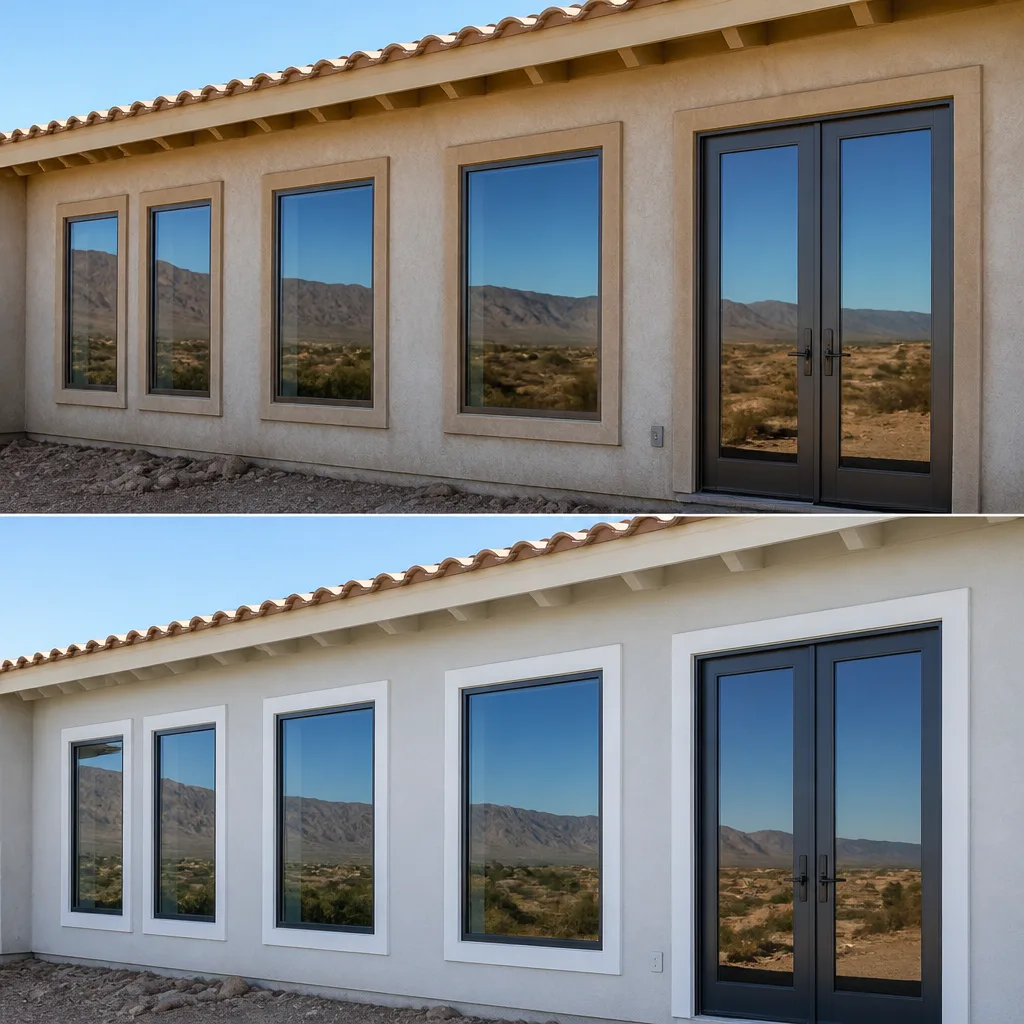
Last updated November 18, 2026
New windows and doors improve comfort, cut energy bills and add long-term value to your home. Sightline Windows & Doors Mesquite pairs proven product lines with a local vetted installing partner for lasting performance - and a price put in writing.
Choose your installer
The unit is half the job - the install is the other half. Background-checked local installers measure, set, seal and insulate every opening, and they know the lines we quote inside and out.
Select the right products
Compare styles, materials and glass packages side by side until the fit is right for your rooms, your budget and your goals. The product-line comparison below is the place to start.
Prepare your home for install
Before install day we walk you through a short checklist - furniture pulled back, treatments down, a clear path to each opening - so install day is watch-it-happen, not scramble.
Compare the Lines We Quote
Every project is priced on the same lines, side by side - the price indicators below are relative, and your consultant shows exact numbers on your actual openings.
PGTThe line homeowners arrive naming - the most impact certifications in the industry$$$
- More impact certifications than any other line we quote
- WinGuard, EnergyVue and ClassicVue Max systems built for every wind zone
- 99% on-time delivery keeps your install date on the calendar
CGIThe heavyweight impact line$$$$$
- Large-missile impact ratings for the strictest wind zones
- Architectural-grade aluminum with commercial-depth frames
- The line we quote when protection is the whole point
CWSThe value pick$$
- Vinyl systems built to strict wind codes
- Strong energy packages at the friendliest price point
- The smart start for whole-home replacements on a budget
ESWSlim lines, big glass$$$$
- Narrow-sightline aluminum for modern elevations
- Oversized openings and floor-to-ceiling glass
- Impact-rated without the bunker look
ECOThe aluminum impact workhorse$$$
- Factory-built aluminum impact systems
- A strong price-to-protection ratio for coastal homes
- Proven lines with short lead times
Window Replacement Troubleshooting: Common Problems and How to Fix Them
Condensation on the inside surface of a new double-pane window is not a defective window. It is a ventilation problem in your home. Condensation between the panes is a failed seal. These two problems look similar and get the same homeowner complaint, but only one is covered by the glass unit warranty – and knowing which is which changes how you approach the warranty call. In our experience installing and replacing windows across Mesquite, underperforming replacements almost always trace back to one of four root causes: the glass unit, the frame, the installation, or the home’s own conditions. This guide maps symptoms to causes so you approach the repair or warranty conversation with the right argument and the right documentation.
Quick Answer

Most window replacement problems fall into four categories: glass unit failures (fogging between panes, failed seals), frame problems (warping, cracking, poor drainage), installation faults (drafts, leaks, thermal bridging at the edges), and home conditions (interior condensation, HVAC imbalance, high indoor humidity). Fixing the right one starts with identifying which category your symptom belongs to, then documenting it with photos, measurements, and dates. Hardware and weatherstripping issues often resolve with adjustment. Failed seals and installation faults usually need the unit to come out and be corrected or replaced.
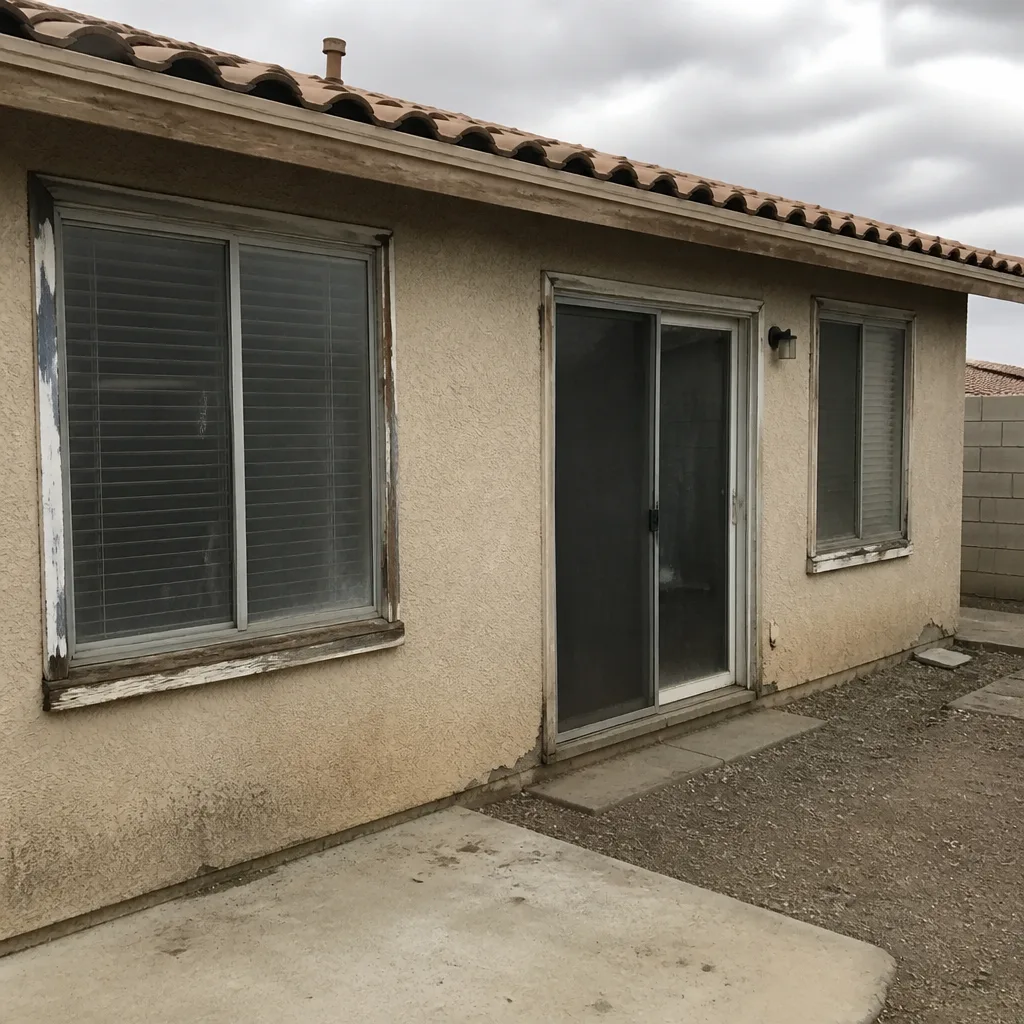 Before
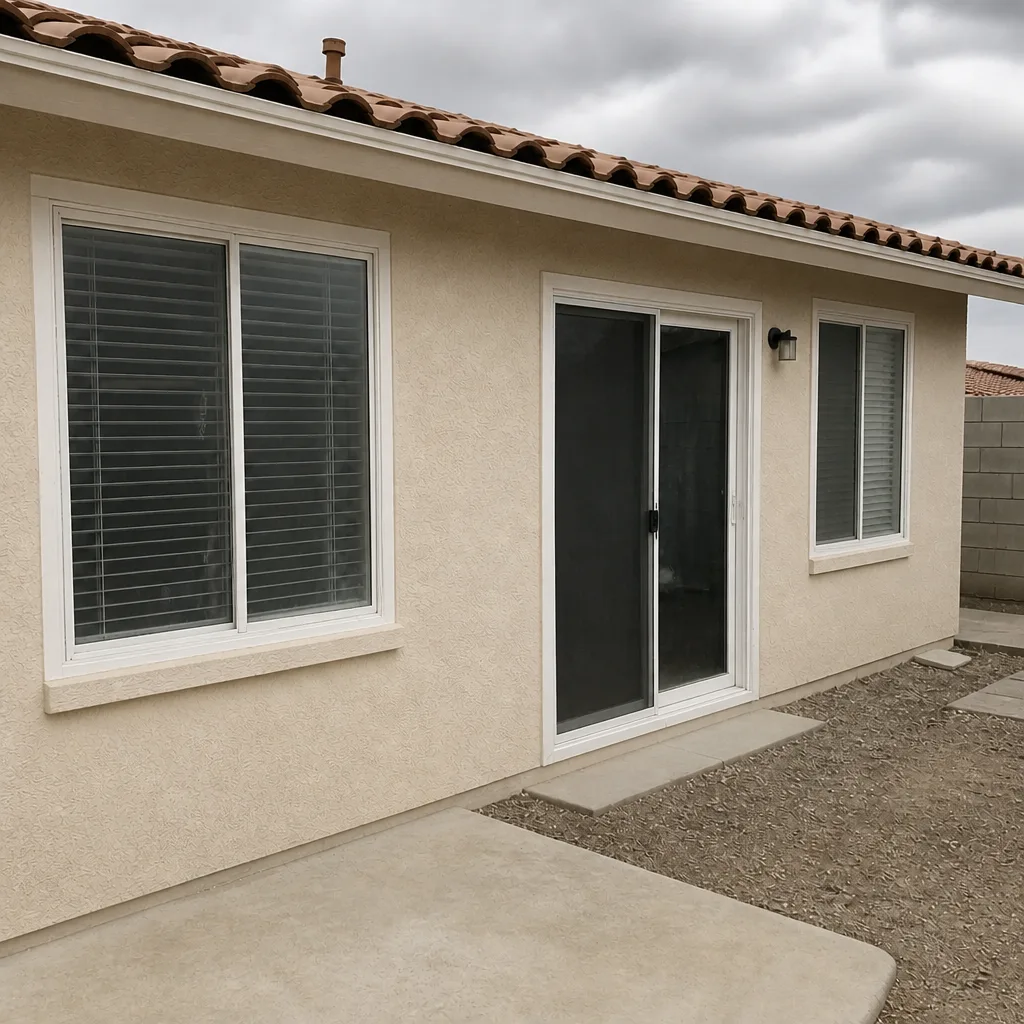 After
Table of Contents
- The Symptom-to-Cause Matrix: Match the Problem to the Responsible Party
- Why Condensation Looks Like a Defect (But Usually Isn’t)
- Thermal Bridging: Interior Condensation Streaks Near Frame Edges
- Drafts and Air Leaks After Replacement: Frame or Installation?
- Operational Difficulty: When Adjustment Fixes It and When It Doesn’t
- Noise Transmission: What Changed and Why
- Glass Unit, Frame, and Workmanship Warranties: Which One Covers Which Failure
- How to Document a Claim So It Can’t Be Dismissed
The Symptom-to-Cause Matrix: Match the Problem to the Responsible Party
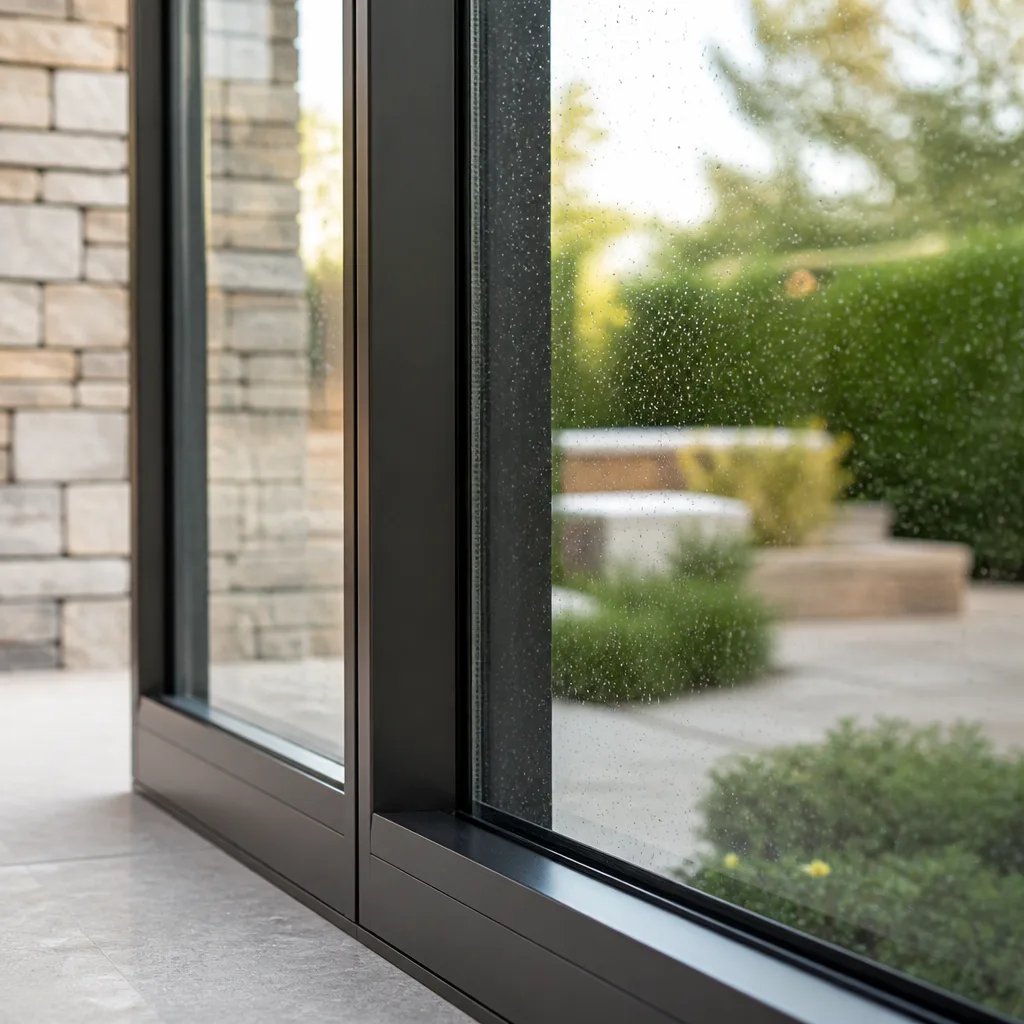
Before you call anyone, name the symptom precisely. The complaint “my new windows are failing” gives a manufacturer nothing to act on. A documented symptom with photos, dates, and measured locations gives them a claim they have to answer. Here is how the four common symptoms map to their usual cause and the party responsible.
- Condensation between the panes: Glass unit fault. Responsible party is the glass manufacturer, usually handled through the installer’s warranty channel. This is covered by the sealed glass unit warranty.
- Condensation on the inside surface, uniform across the glass: Home conditions. High relative humidity combined with a cold glass surface. Not a window defect. Ventilation and humidity control are the remedy.
- Condensation streaking along the interior edges of the frame: Thermal bridging. Installation or insulation fault at the rough opening. Usually the installer’s responsibility to inspect.
- Drafts at the sash edges or frame perimeter: Weatherstripping, hardware, or installation gap. Adjustable if the sash catches, warranty if there’s an actual gap behind the frame.
- Window won’t close flush or operates stiffly: Hardware, settling, or a frame installed out of square. Adjustment usually fixes it; a frame that is truly out of square may need reinstallation.
- Noise that wasn’t there before: A glass spec mismatch or an unsealed gap. Check the frame first, then the glass type.
In Mesquite, the desert climate adds a specific wrinkle: exterior dust infiltration around the frames gets mistaken for a bad seal almost every summer. If you see fine dust collecting on the interior sill after a wind event, that points to frame weatherstripping or perimeter sealing rather than the glass unit. A qualified installer can confirm which with a smoke pencil or infrared reading on the interior face.
Why Condensation Looks Like a Defect (But Usually Isn’t)
The single most common warranty complaint we see on new windows is condensation, and the single most common reason that complaint is denied is that the condensation is on the wrong side. Interior surface condensation is a home condition. Between-the-panes condensation is a glass unit failure. They look alike from two feet away and both get called “the window is sweating.”
Here is the test that settles it. Wipe the surface with a dry cloth. If the condensation comes off on the cloth, it’s interior humidity. If it’s trapped between the panes, the cloth comes away dry and no amount of wiping changes anything. That single test tells you which warranty conversation to have.
Interior surface condensation appears when warm, humid indoor air meets a cold glass surface. In Mesquite, this shows up most in winter mornings, when outside temperatures drop fast and indoor humidity from showers, cooking, and laundry hasn’t vented. The fix is ventilation, not a new window: run the bath fan during and after showers, use the range hood when cooking, and check that your HVAC system is moving air through the house. Surface condensation on a quality energy-efficient unit usually clears as indoor humidity drops below roughly 40%.
Between-the-panes condensation is different. The sealed unit has lost its desiccant and inert gas fill, and moisture has entered. That’s a defective insulated glass unit (IGU), and the failure is covered under the glass unit warranty. The remedy is a glass unit replacement, not a full window replacement, and any reputable installer should be able to swap the IGU without touching the frame. If you are considering a replacement in the first place, Window Replacement in Mesquite covers how the glass spec is chosen so this doesn’t happen again.
Thermal Bridging: Interior Condensation Streaks Near Frame Edges
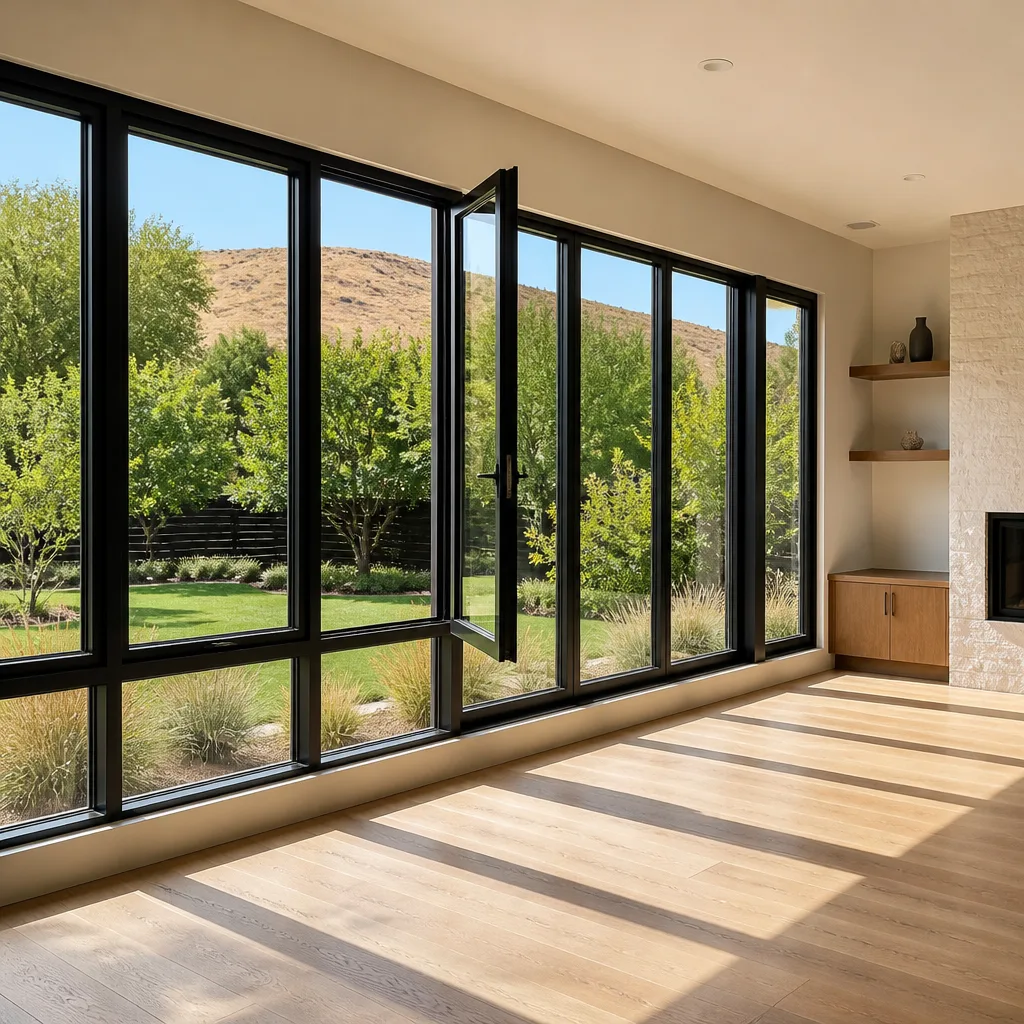
If the condensation isn’t uniform across the glass but streaks along the interior edges of the frame, you’re looking at thermal bridging. That’s heat escaping through a poorly insulated junction between the frame and the wall, cooling the interior surface below the dew point and forcing moisture to collect there first. It’s an installation issue, not a glass issue, and it’s the symptom most often missed because the center of the glass looks fine.
To test for it, compare the interior frame edge with the center of the glass on a cold morning. If the frame edge is noticeably colder, or the condensation starts there and feathers inward, thermal bridging is the likely cause. Infrared readings on the interior face confirm it in seconds. Proper installation includes insulated perimeter framing and backer-rod-and-sealant detailing that eliminates the cold bridge. On a job where that step was skipped, the streaks will appear at the same spot every winter.
In Mesquite’s climate, thermal bridging is actually more visible than in humid climates – our dry desert air and sharp winter temperature swings make interior surfaces drop faster, so any cold bridge shows condensation within a few cold mornings. Summer heat gain is the flip side: an uninsulated perimeter lets outside heat radiate directly onto the frame, so the room feel near the window is warmer than the rest of the room even with the AC running. If you notice drafts or warm spots near a replaced window in a Mesquite home, thermal bridging at the perimeter is worth checking before you blame the glass. Take the photo, note the temperature, and call the installer. This is not a case where the homeowner should attempt any repair – backer rod and sealant detailing at the rough opening is skilled work and lives behind the frame trim.
Drafts and Air Leaks After Replacement: Frame or Installation?
A draft after replacement falls into three buckets, and the fix is different for each. Bucket one is a sash gasket or weatherstrip that’s not seating. Bucket two is a perimeter gap behind the frame. Bucket three is a whole-home air pressure imbalance pulling air through the window assembly. Only the first two are window problems.
- Do the wet-back-of-the-hand test. On a windy day, run your hand slowly around the sash and frame edges. Note where you feel moving air. Mark locations with painter’s tape.
- Check the sash latch and lock engagement. If the sash isn’t locking tight, the weatherstrip may not be compressing. Snap the latch closed slowly and feel where the gap opens.
- Run a smoke pencil at the perimeter. A smoke trail fluttering into the room confirms a perimeter gap – that’s the installer’s responsibility under the workmanship warranty.
- Confirm the interior trim and perimeter sealant are intact. Lifting or cracking sealant, especially on the sides where sun exposure is highest, is a frequent cause in Mesquite’s summer heat.
- Rule out pressure imbalance. If a bathroom fan, dryer, or kitchen hood is running, it can pull air through the tightest window assembly. Turn everything off and retest before calling a warranty claim.
Once you’ve identified the right bucket, document it: photo of the tape marks, photo of the sash latch position, and a note on wind speed and date. “Window drafty” gets pushed back. “Air infiltration measured at the lower right sash corner, 12 mph wind from the south, 08:40 on March 3” gets scheduled.
Operational Difficulty: When Adjustment Fixes It and When It Doesn’t
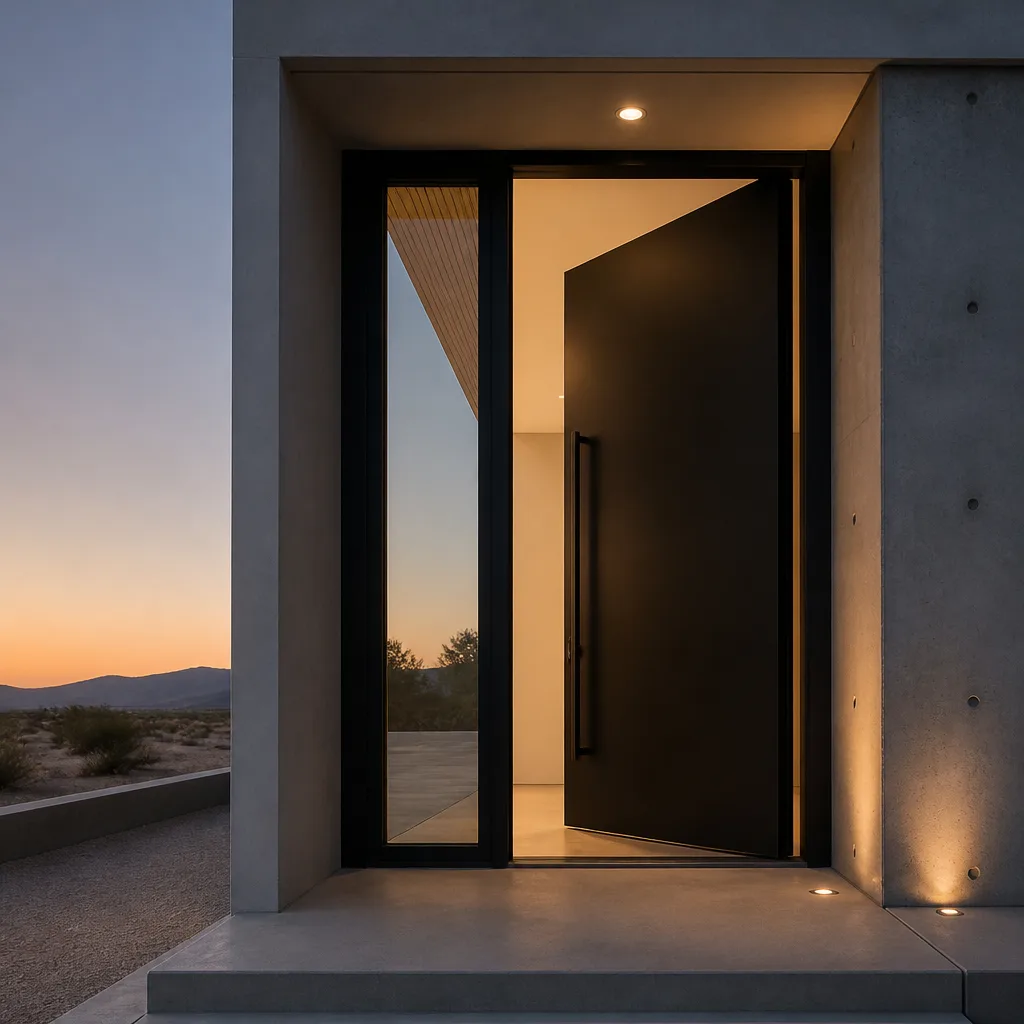
A window that won’t close, sticks, or grinds is the easiest problem to fix wrong. Hardware adjustment solves the majority of these complaints in under an hour. The ones that don’t are frame-related, and forcing a stuck sash is how a minor issue turns into a destroyed operator.
- Stiff crank or handle: Lubricate the operator per the manufacturer’s spec. This is normal annual maintenance, especially in desert climate where dust works into moving parts.
- Sash won’t lock flush: The keepers need adjustment. A technician can align the lock mechanism without disassembly.
- Sash binds in the channel at one corner: The sash or frame is out of square. Often this is settling, not the window. Adjustment fixes it if the diagonal tolerances are still in spec.
- Sash grinds along the full length: Frame was installed out of level or the rails are bent. This one requires the unit to come out and be reset.
- Screen tension too tight or too loose: Screen frame adjusters are a five-minute fix and don’t require a service call.
A quality installer checks every sash for smooth operation before leaving. Our written scope specifies that every opening opens, closes, and locks as designed – and if it doesn’t, it’s covered under the 365-Day Done Right Promise. Sliding and patio doors are a different animal because track alignment matters more, which is why we treat Door Installation in Mesquite as its own discipline with its own inspection list.
Noise Transmission: What Changed and Why
If the window that replaced the old one is louder than the original, the first assumption is usually “cheaper glass.” That’s often wrong. A new window can transmit more traffic or wind noise for three legitimate reasons: the glass type is different from what you thought you were getting, the frame is transmitting more vibration than the old frame did, or there’s an unsealed gap around the perimeter acting as a sound channel.
Check the glass spec first. Laminated glass and asymmetric (unequal-thickness) double-pane units damp sound differently than standard annealed glass, and the difference at low frequencies is real. If your written scope named a specific spec and a different unit was installed, that’s an honest warranty conversation under the manufacturer line – PGT, ES Windows, and ECO Window Systems each publish the acoustic ratings for their units, and the spec sheet is the document that settles it.
In Mesquite, wind is the noise you notice most. A perimeter gap that wasn’t sealed properly lets exterior wind create a low-frequency hum inside the frame cavity that no glass unit on the market will stop. Run the back-of-hand and smoke-pencil tests at the perimeter during a wind event. If air is moving, the noise is a sealing issue, not a glass issue. When you’re specifying new windows and acoustic performance matters, mention it at the measuring stage – we specify the unit for the opening, not for what happens to be on hand.
Glass Unit, Frame, and Workmanship Warranties: Which One Covers Which Failure
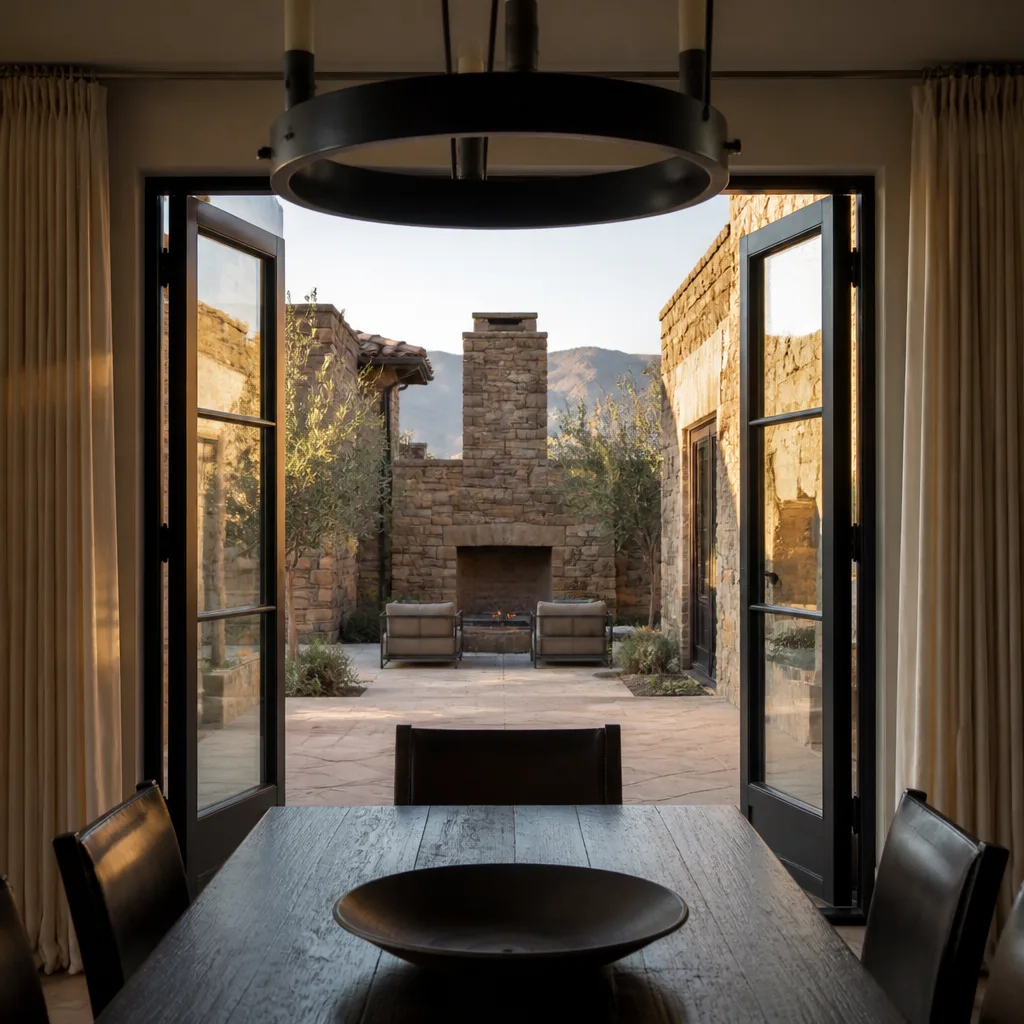
The single biggest source of warranty frustration is applying the wrong warranty to the wrong failure. A window typically carries three separate warranties from three separate parties. Knowing which one covers your symptom saves weeks.
- Glass unit warranty: Covers the sealed insulated glass unit against seal failure and fogging between panes. Usually handled by the manufacturer through the installer. Typical terms run to 20 years or longer for the seal.
- Frame and hardware warranty: Covers the sash, frame, operator, and lock hardware against defects in materials and manufacturing. Does not cover installation voids or homeowner modification.
- Installation workmanship warranty: Covers the perimeter sealing, insulation, flashing, and everything the installer is responsible for. This is the one that covers thermal bridging, perimeter drafts, and water leaks at the rough opening.
On top of the manufacturer warranties, our 365-Day Done Right Promise – written into the Haven Standard, not offered as a courtesy – means if it’s not done right in that first year, we make it right, and the written record of the warranty travels with your job. The 18,000-plus windows and doors we’ve completed came with that documentation; each claim isn’t answered with a verbal assurance but with the written scope, the photo record, and the warranty terms as they applied the day the job was completed.
If you suspect a glass unit failure, verify whether the fogging is between the panes. If it is, don’t let a service tech talk you into replacing the whole unit when an IGU swap is the remedy. If you’re already considering a full replacement because a competitor told you so, bring the quote to a Sightline Windows & Doors Mesquite home conversation and we’ll review it as a free second opinion before you commit.
How to Document a Claim So It Can’t Be Dismissed
A warranty claim with photos and measurements gets scheduled. A warranty claim that says “still drafty” gets bounced back. Here is the documentation a manufacturer or installer needs to act without a follow-up visit.
- Photograph the symptom, not the window. Close-ups of the fogging, the condensation streak, the open gap, the tape marks. A photo of the whole window shows nothing the technician can’t see on arrival.
- Photograph the setting. One wide shot showing the window in its wall, so the location and elevation are unambiguous.
- Note the date and weather. Condensation documented on a cold morning is evidence; condensation documented on a warm afternoon is not. Same with drafts during a wind event.
- Measure the affected area. Use a tape measure in the frame and note inches of affected length. “Condensation between panes on the lower sash, 20 inches across, unit serial #…” tells them which unit is failing.
- Locate the unit. Room name and which opening in the room (north wall, second from the corner). Photograph the manufacturer’s serial label if accessible.
- Keep every piece of paper you received. The measured survey, the written scope, the photo record from installation day, and the warranty document. Every claim is answered in the context of these documents.
Our crews take a documented photo record on every visit – it’s standard evidence under the Haven Standard, not an upsell. If you are documenting a problem on a job we didn’t install, the same discipline applies. The written scope is what a manufacturer responds to, and if the claim can’t be argued from it, the process resets to “we’ll need to send someone out.” Avoid that follow-up.
Common Mistakes to Avoid
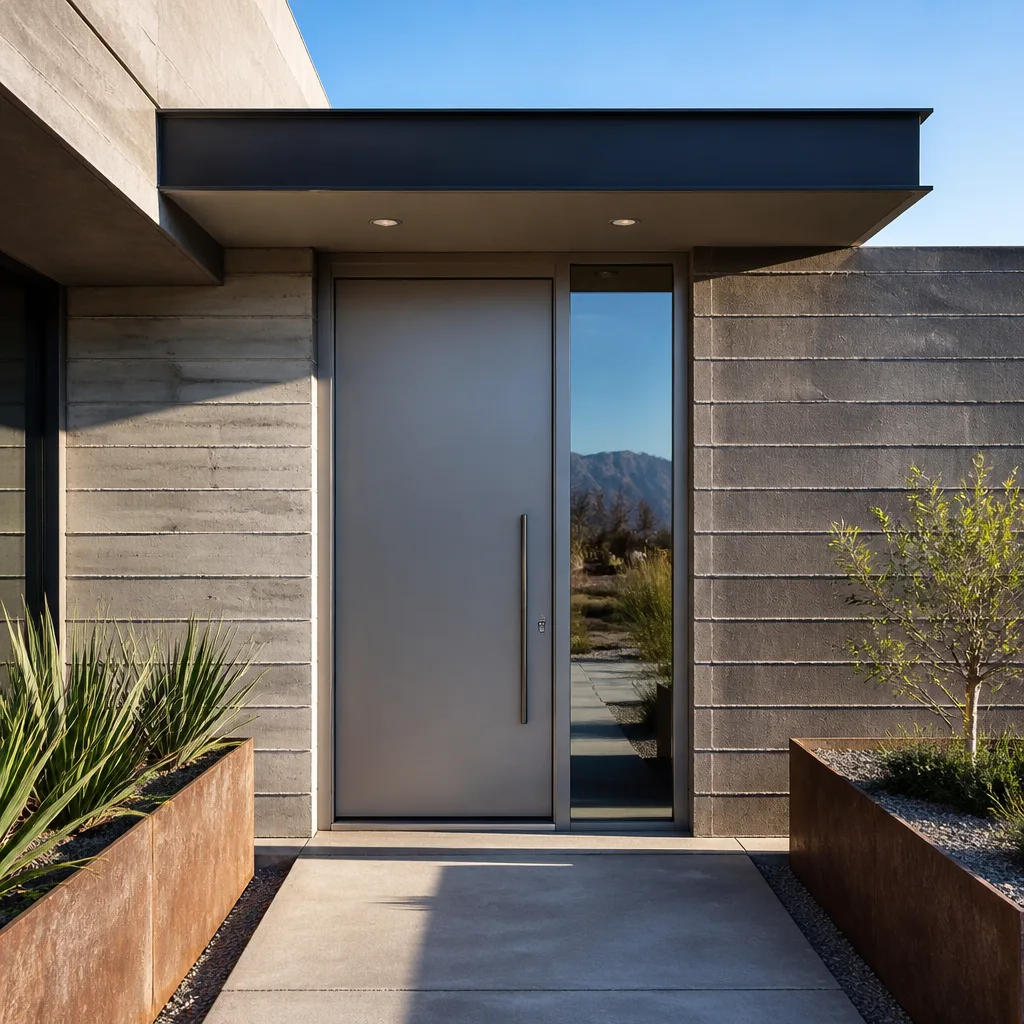
- Assuming any condensation is a failed seal. Wipe the surface first. Interior condensation is a home humidity problem, and a warranty claim filed on it gets denied – sometimes twice, which is worse than once.
- Forcing a stuck sash with the crank. Operators are designed to move the sash under normal resistance, not to overcome a frame out of square. Forcing it can strip the operator and void the hardware warranty.
- Sealing the exterior perimeter with the wrong caulk on a hot afternoon. Mesquite summer temperatures over 100°F can keep some sealants from curing properly or bond them to a surface that will move. Skip the DIY perimeter touch-up unless you know the sealant spec.
- Calling the installer with a general complaint. “The window is bad” gets pushed to the back of the queue. A dated, measured, photographed symptom gets scheduled the same week.
- Skipping the second opinion on a competitor’s replacement quote. Some problems that look like full replacement require only a glass unit swap. Get a written estimate reviewed before you pay for a new window when the frame is fine.
- Assuming louder noise means worse glass. The frame perimeter, not the glass spec, is often the culprit. Check the seal before requesting a glass upgrade.
- Ignoring a smaller weatherstripping issue until it grows. The gasket that’s not seating in March is a perimeter gap by August. Fix it while it’s still adjustable.
When to Call a Professional
Some issues belong in the adjustable bucket. A sash that needs a lock keeper aligned, a screen frame that needs re-tensioning, or a weatherstrip that needs replacing can usually be handled as scheduled maintenance. The rest should not be a homeowner project. Failed glass units, thermal bridging at the perimeter, drafts behind the frame, and any window that won’t close fully are all cases where the symptom can be misdiagnosed and the wrong part replaced at your expense. High tension in impact-rated units and expensive hardware assemblies is not where trial-and-error belongs. If the symptom involves more than one opening, if you can’t identify the cause with the tests above, or if a warranty claim has been denied and you want it to stand, get eyes on it. Sightline Windows & Doors Mesquite offers free estimates in Mesquite and written second opinions on a competitor’s quote. Call (888) 268-5117 to schedule one; calls are answered by a live person, and every estimate we write is a written price before any work starts.
Frequently Asked Questions
It depends where the condensation is. Condensation between the panes is a failed seal and is covered under the glass unit warranty. Condensation on the interior surface is a home humidity problem and is not covered. Test by wiping the surface – if it comes off, the window isn’t leaking. Call (888) 268-5117 for a free assessment and we’ll help you tell the difference.
Only if the perimeter wasn’t sealed properly or the sash hardware isn’t seated. A new window installed correctly should be tighter than the frame it replaced. If yours isn’t, the draft is almost always a perimeter or weatherstrip issue, and both are covered by the workmanship or hardware warranty. Call (888) 268-5117 to schedule a free inspection.
Manufacturer glass unit warranties typically cover the sealed unit for 20 years or more against seal failure, though the exact term depends on the product line. Mesquite’s summer heat cycles test the seal more aggressively than milder climates, so check the seal annually. If you have a written spec sheet, the terms are on it – and every product line we install comes with the manufacturer warranty in writing. Call (888) 268-5117 if you don’t have the paperwork on a previous job.
Usually yes. Locks, hinges, and operators are all adjustable or replaceable, and a sash out of square by a fraction of an inch can often be corrected without removing the frame. Only a frame installed out of level or a bent rail requires the unit to come out. Call (888) 268-5117 to schedule a free evaluation and we’ll tell you which bucket you’re in within the first ten minutes.
No – if you specified and paid for the same spec. Most “louder” complaints trace to an unsealed perimeter gap or a glass spec that was installed different from what was quoted. Compare the installed unit against your written scope spec sheet, and check the perimeter seal on a windy day. Call (888) 268-5117 to have us review the spec and the perimeter.
A full replacement is sometimes not the right answer. A glass unit swap on an intact frame is the correct remedy for a failed seal on a unit that’s otherwise sound, and that’s cheaper. Bring the competitor’s written quote and we’ll review it free – that’s a free second opinion, not a sales visit. Call (888) 268-5117 to arrange it.
The Bottom Line
Most post-replacement window problems trace to one of four root causes – the glass unit, the frame, the installation, or the home’s own conditions – and each cause has a different warranty, a different remedy, and a different written argument. Interior condensation is a ventilation issue; between-the-panes condensation is a failed seal. Drafts are almost always a perimeter or weatherstripping gap, not a bad glass unit. Thermal bridging shows as condensation streaks at the frame edges and points to the installer, not the manufacturer. Document the symptom with dates, photos, and measurements before you call anyone. Whether you’re troubleshooting a past installation in Mesquite or starting fresh with a measured survey, the written record is what gets a claim answered. Window Installation in Mesquite is where that record begins; every measure we take becomes the quote we write.
Call (888) 268-5117 to schedule a free estimate. Written pricing, background-checked and uniformed technicians, live-person phone coverage, and a 365-Day Done Right Promise in writing under the Haven Standard.
Written by the team at Sightline Windows & Doors Mesquite.
Six Reasons Homeowners Choose Sightline Windows & Doors Mesquite

Laminated glass and reinforced frames hold up to wind-driven rain, hail and flying debris, so your openings stay sealed when the weather turns.
Low-E insulated impact glass from our manufacturer lines commonly cuts monthly cooling bills 20-30%.
Laminated impact glass shuts out up to 40% of outside noise - traffic, neighbors, weather.
Monitoring services run $30-90 a month. Laminated impact glass resists forced entry around the clock, with no subscription.
Tighter seals and insulated glass even out hot and cold rooms and stop the drafts at the frame.
A full impact package upgrades curb appeal, buyer confidence and appraised value in one project.
Other Sightline Windows & Doors Mesquite Services
What Neighbors Say About Sightline Windows & Doors Mesquite