Last updated November 18, 2026
New windows and doors improve comfort, cut energy bills and add long-term value to your home. Sightline Windows & Doors Mesquite pairs proven product lines with a local vetted installing partner for lasting performance - and a price put in writing.
Choose your installer
The unit is half the job - the install is the other half. Background-checked local installers measure, set, seal and insulate every opening, and they know the lines we quote inside and out.
Select the right products
Compare styles, materials and glass packages side by side until the fit is right for your rooms, your budget and your goals. The product-line comparison below is the place to start.
Prepare your home for install
Before install day we walk you through a short checklist - furniture pulled back, treatments down, a clear path to each opening - so install day is watch-it-happen, not scramble.
Compare the Lines We Quote
Every project is priced on the same lines, side by side - the price indicators below are relative, and your consultant shows exact numbers on your actual openings.
PGTThe line homeowners arrive naming - the most impact certifications in the industry$$$
- More impact certifications than any other line we quote
- WinGuard, EnergyVue and ClassicVue Max systems built for every wind zone
- 99% on-time delivery keeps your install date on the calendar
CGIThe heavyweight impact line$$$$$
- Large-missile impact ratings for the strictest wind zones
- Architectural-grade aluminum with commercial-depth frames
- The line we quote when protection is the whole point
CWSThe value pick$$
- Vinyl systems built to strict wind codes
- Strong energy packages at the friendliest price point
- The smart start for whole-home replacements on a budget
ESWSlim lines, big glass$$$$
- Narrow-sightline aluminum for modern elevations
- Oversized openings and floor-to-ceiling glass
- Impact-rated without the bunker look
ECOThe aluminum impact workhorse$$$
- Factory-built aluminum impact systems
- A strong price-to-protection ratio for coastal homes
- Proven lines with short lead times
Windows & Doors Emergency Preparedness Guide for Mesquite Homes
During Mesquite‘s 2022 monsoon season, three homeowners on the same street called for emergency glass replacement after windblown debris struck single-pane inserts. Those inserts had gone into the walls in 2008, and by 2022 the original supplier no longer stocked them. Lead time ran to 11 days. Every one of those households could have cut that in half by knowing one thing before the storm: their glass spec. This guide walks through the inventory document that prevents that delay, which temporary seals actually survive a 110°F afternoon, how to override electronic door hardware when the power drops, and how to prepare ground-floor openings for flash floods. It’s written for Mesquite homes specifically, because the threats here are heat, debris, and water, not hurricane surge.
Quick Answer
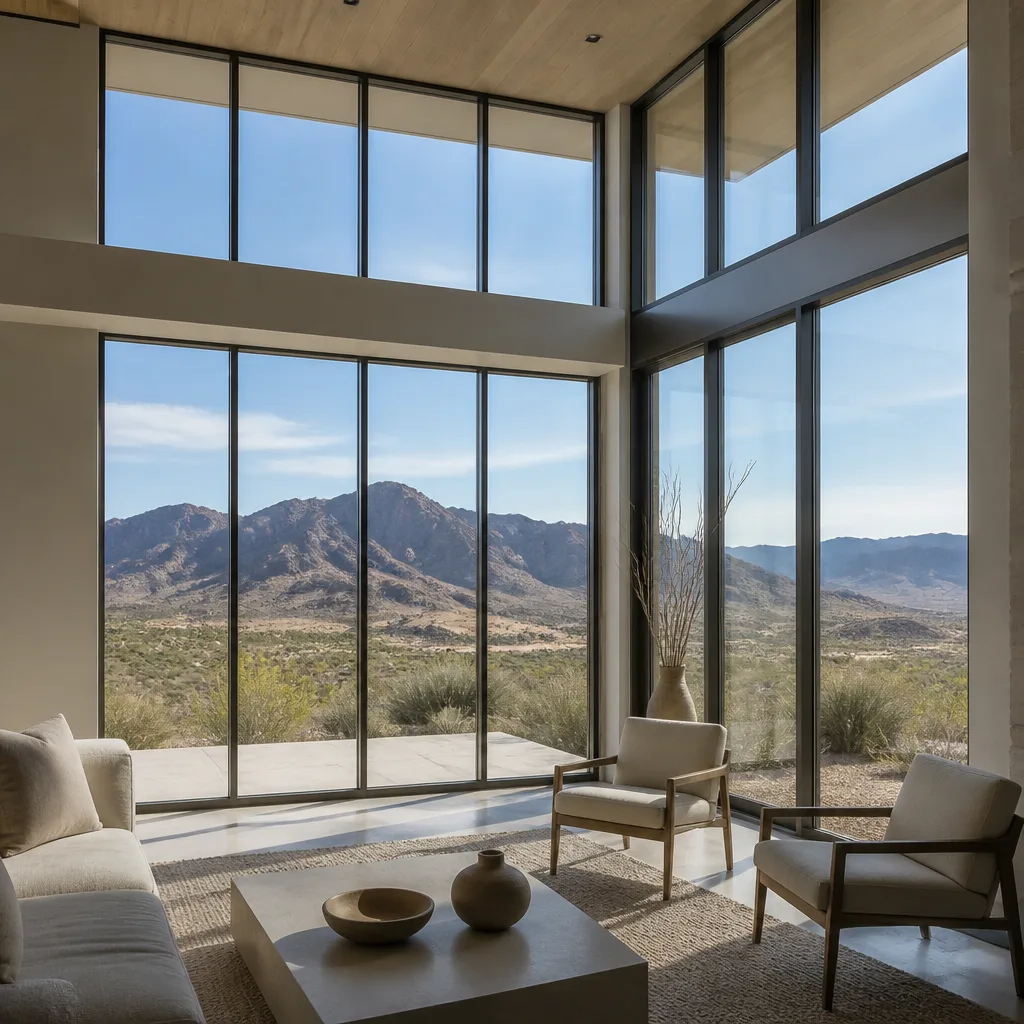
Window and door emergency preparedness in Mesquite means three things documented before an event: a complete opening inventory (frame material, glass package, dimensions, manufacturer, install date), a short list of which temporary sealing products survive local summer heat, and the manual override steps for every electronic lock and motorized sliding door in the home. Mesquite’s real risks are flash-flood debris impact, sustained heat that degrades glass seals, and outages that strand smart hardware, so preparedness here is documentation and hardware know-how, not plywood and tape.
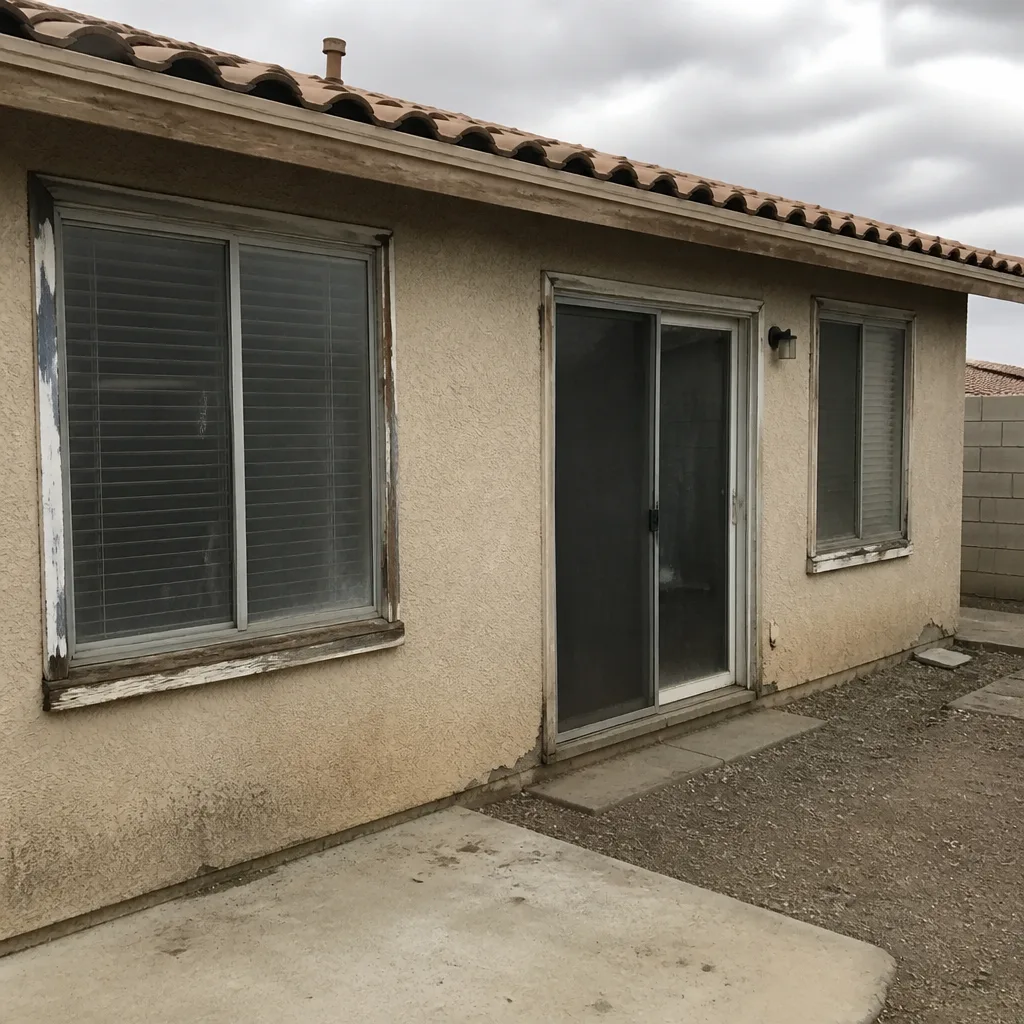 Before
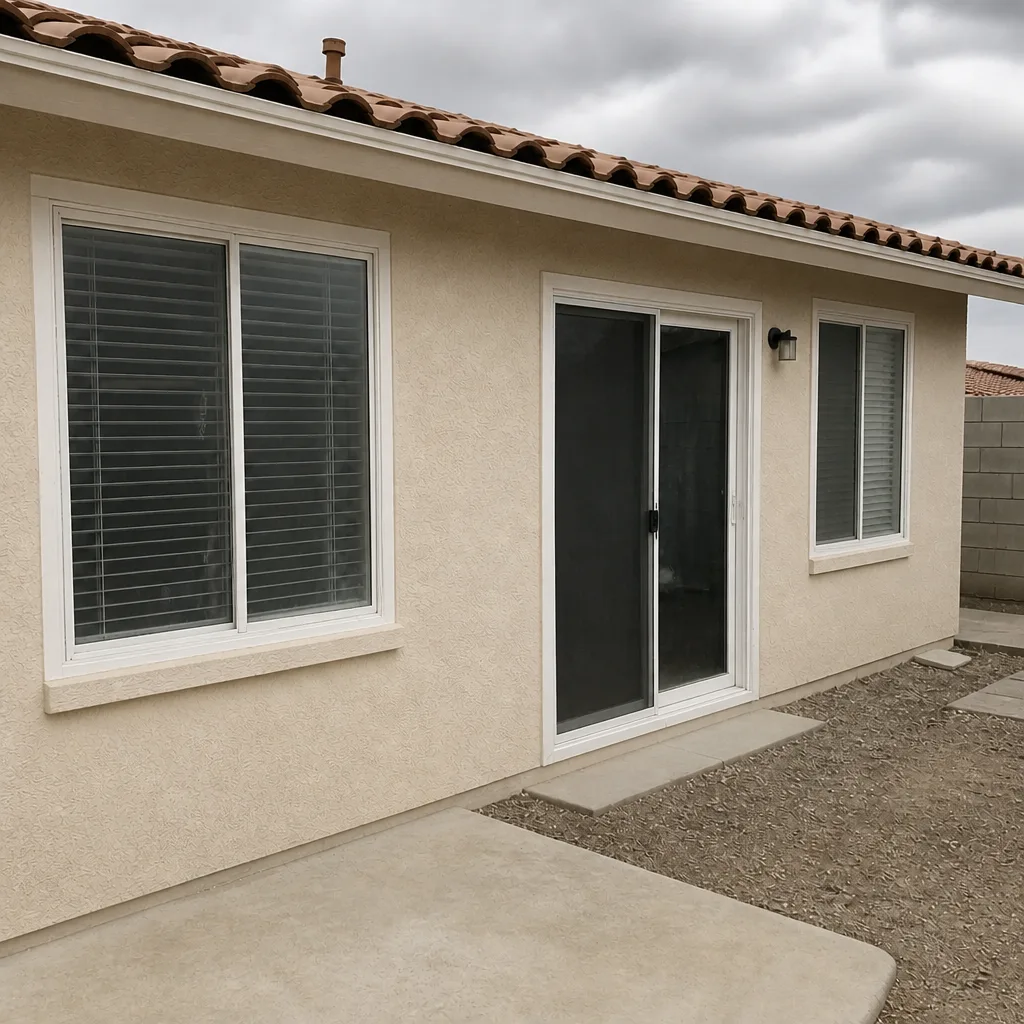 After
Table of Contents
- How to Build a Window and Door Inventory for Your Home
- How Mesquite Heat Breaks Down Glass and Seals
- Temporary Sealing Methods That Hold at 110°F
- Flash Flood Preparation for Ground-Floor Openings
- Electronic Door Hardware: Manual Override Procedures
- Debris Impact and Storm Season Prep
- Your One-Page Emergency Reference Card
- Common Mistakes to Avoid
How to Build a Window and Door Inventory for Your Home
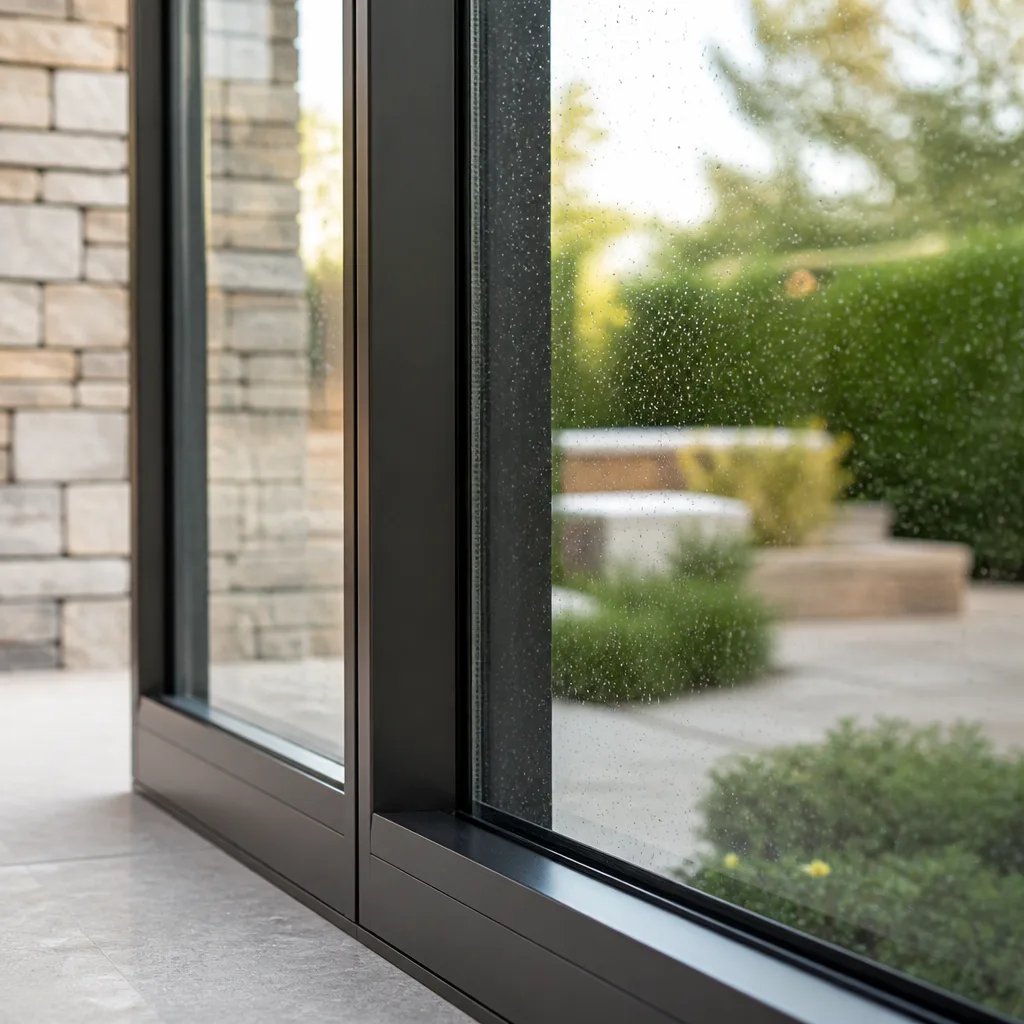
The six fields that determine emergency replacement lead time are frame material, glass package, unit dimensions, manufacturer, install date, and the model or spec number printed on the glass or frame label. If you can produce those six for any opening, a supplier can usually source a match or a functional equivalent without a site visit. If you can’t, everything starts with a technician arriving to measure, and that’s where the days disappear.
Here’s how to assemble the document this month, before you need it:
- Walk each opening with a notebook and phone. Photograph the interior and exterior of every window and door, plus any label etched in the corner of the glass or printed on the frame. Glass packages carry an etched code; frame labels often sit in the head jamb.
- Record the six fields in a simple spreadsheet: opening location, frame material (vinyl, aluminum, wood, fiberglass), glass package (single pane, dual pane, impact-rated, low-E with U-factor and SHGC if listed), rough width and height in inches, manufacturer, and install or manufacture date.
- Note the operation type for doors and windows: single hung, horizontal slider, casement, fixed, sliding patio, hinged entry. A slider and a casement of identical size are different products.
- Save the labels. If a sticker is peeling, photograph it now. Suppliers in the Nevada market like CWS and ES Windows can often identify a unit from the spec code alone.
Homes built or updated between 2015 and 2025 usually still have manufacturer documentation in the closing packet from the purchase. Dig that out first. For older Mesquite homes, the etched glass code and frame label are your best evidence. If you’re rebuilding documentation from scratch, the window replacement in Mesquite process starts with a measured survey anyway, and a survey you commission today doubles as your inventory.
How Mesquite Heat Breaks Down Glass and Seals
Sustained 110°F afternoons stress a window in ways coastal guides never address. The seal between the panes in an insulated glass unit expands and contracts daily, and over years that flexing lets the seal fail. Once moisture gets into the cavity, you’ll see fogging between the panes, a hazy film, or condensation that won’t wipe away from either side. That’s not a cleaning problem. It’s a failed seal, and the unit’s insulating value is gone.
Heat does two more things worth knowing in Mesquite:
- It accelerates seal failure on west-facing glass. The afternoon sun load on a west elevation is the hardest on insulated units, and we see the first fogging there.
- It stresses frame and weatherstripping. Vinyl and weatherstripping soften and shrink over repeated heat cycles, and gaps at the weather seal are where water and wind get in during the next storm.
- It makes some temporary repairs fail fast. Adhesives that are fine at 85°F soften and let go within a day at 110°F, which matters for the next section.
If you notice fogging between panes, note it in your inventory. That unit is a candidate for replacement and belongs on your prep list, not your emergency list. The window installation in Mesquite team can read the glass spec and recommend an energy-efficient replacement with the right U-factor for this climate, which is cheaper than an emergency call after the unit fails entirely.
Temporary Sealing Methods That Hold at 110°F
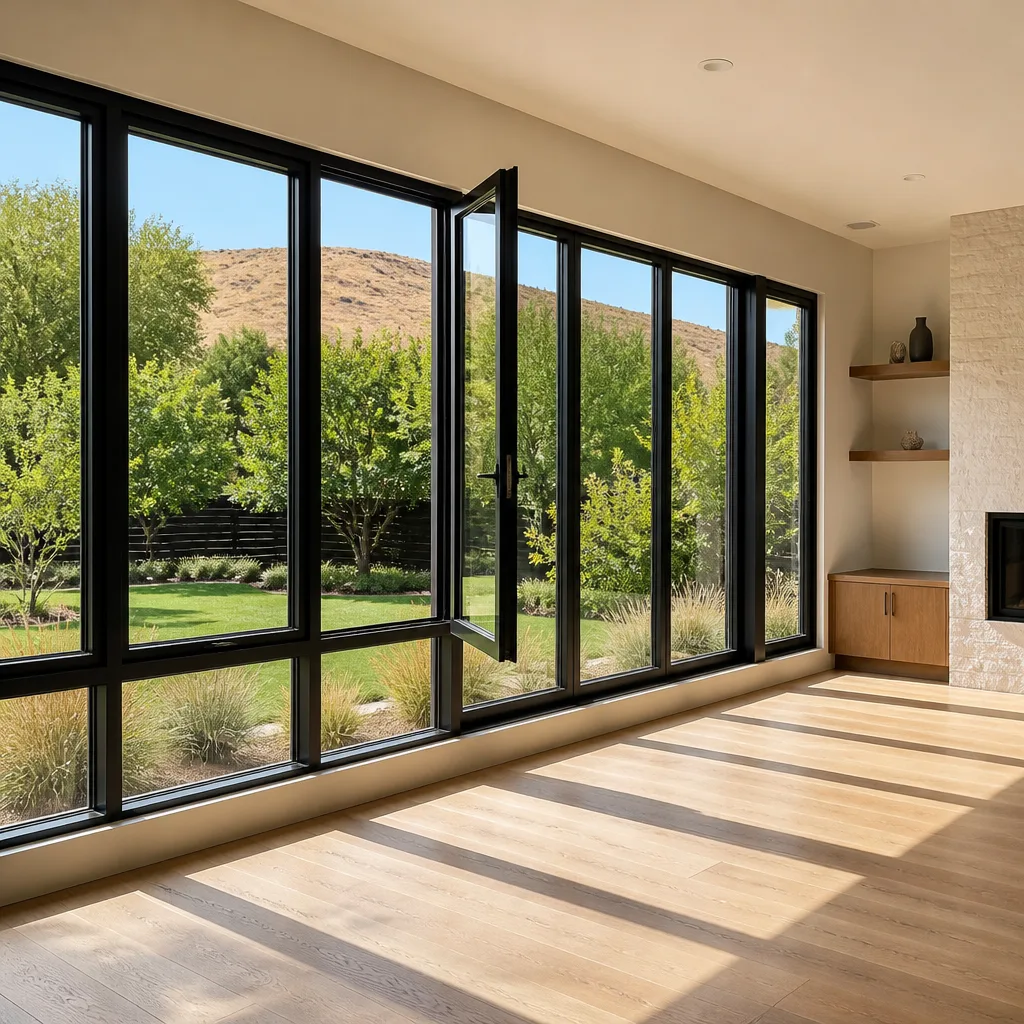
Not every temporary seal survives a Mesquite summer day. The materials that hold are the ones rated for high-temperature exterior use; the ones that fail soften, sag, or peel loose within hours. Here’s what we’ve found works and what doesn’t, with approximate costs so you can stock a small kit before storm season.
Materials that hold at 110°F:
- High-temperature-rated foil tape (aluminum foil backing, rated for 200°F and up): $12 to $20 a roll. Sticks to glass, frame, and metal, and holds through afternoon sun.
- 6-mil clear poly sheeting plus foil tape: roughly $15 to $25 for a roll of sheeting. This is the standard temporary closure for a broken pane: cut oversize, tape the perimeter to the frame, not the glass.
- Closed-cell foam backer rod for gaps at the jamb: about $8 to $15 per pack. Presses into voids and holds its shape in heat.
- Exterior-grade butyl flashing tape: $15 to $30 a roll. Useful for sealing a damaged threshold or door sweep area.
Materials that degrade within 24 hours:
- Standard duct tape, which softens and leaves adhesive residue on hot glass.
- Painter’s tape and masking tape, which lift off as the surface heats.
- Household plastic wrap, which sags and tears in wind.
- Caulk applied to wet glass in a rain event, which won’t cure and will fail.
Temporary sealing buys time, not a fix. Get the opening documented and a replacement specified while the seal is holding. Sightline Windows & Doors Mesquite stocks and specifies eight manufacturer lines, including ECO Window Systems and Mr-Glass, by performance tier rather than by what happens to be in stock, so the right unit can be matched to your spec.
Flash Flood Preparation for Ground-Floor Openings
Mesquite’s flash-flood risk is real and often underestimated. A desert downpour can push water against ground-floor doors and windows faster than the ground can absorb it. The phrase “water-resistant” on a product spec does not mean flood-rated, and the difference matters when water is standing at your threshold.
Here’s the plain-English distinction:
- Water-resistant means the product resists incidental moisture, splash, and weather exposure. It’s a weather performance claim, not a barrier rating.
- Flood-rated means the assembly has been tested to hold back standing water at a specified depth for a specified time, with a documented rating. It’s a separate category, and most residential doors and windows are not flood-rated.
Practical preparation for ground-floor openings in Mesquite:
- Check your door sweep. A door sweep is the flexible blade at the bottom of the door that seals against the threshold. A worn or torn sweep lets water in at the very first inch of standing water. Replace it before the season, not during a storm.
- Inspect threshold seals. Look for gaps, hardened weatherstripping, or a threshold that sits flush with or below the exterior grade. Water follows grade, and a threshold at grade level is a door for water.
- Keep the drainage path clear. Make sure the ground outside the door drains away, not toward it. Clear debris from any exterior drain or swale.
- Stock sandbags or water barriers for the lowest openings, and know which openings they go in front of. Label them on your inventory.
If an entry door is the weak point, an impact-rated or properly sealed replacement is the durable fix. The door installation in Mesquite process includes threshold and sweep spec, which is where flood preparation actually starts.
Electronic Door Hardware: Manual Override Procedures
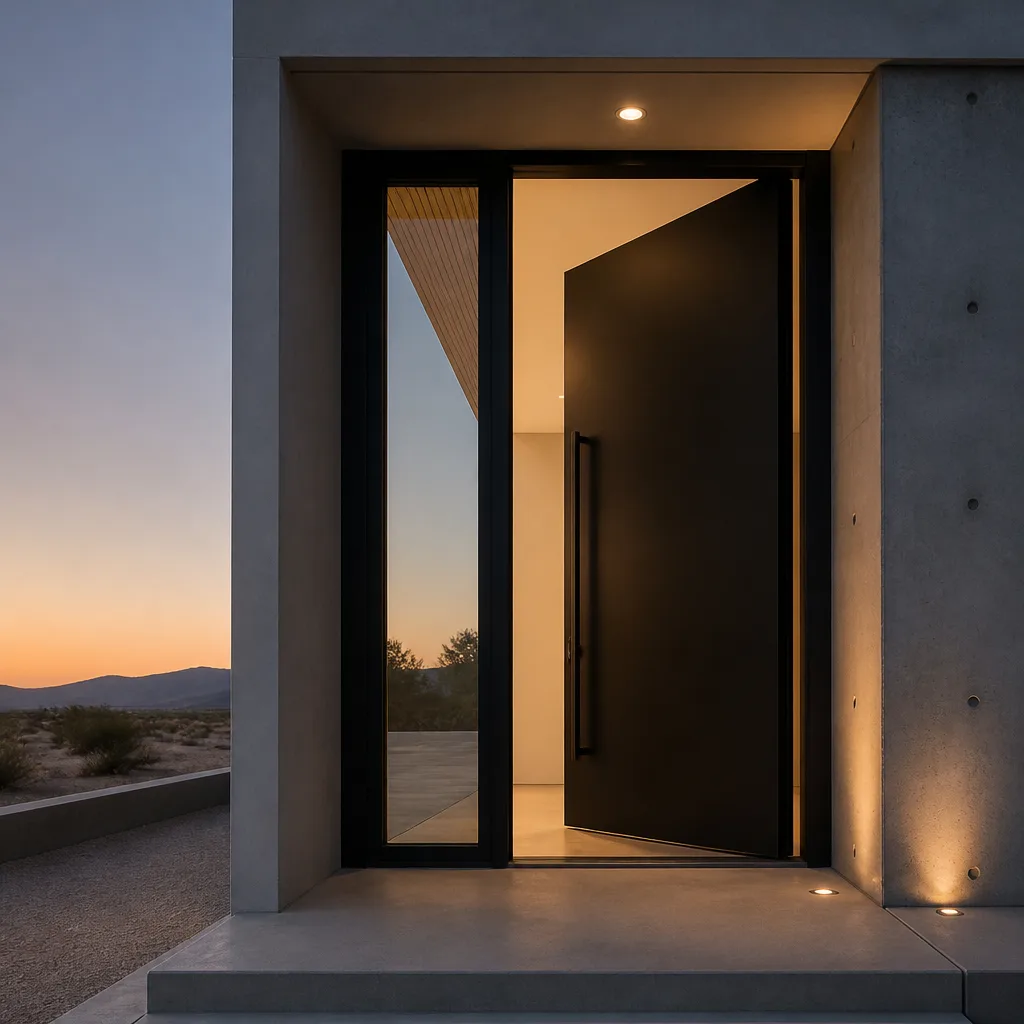
Power outages are a fact of desert summer storms, and a dead smart lock or a stranded motorized sliding door turns a minor inconvenience into a locked-out night. The fix is knowing your override procedure before the outage, not reading the app screen in the dark. Every electronic lock and motorized door sold in the Nevada market has a manual method. It’s usually one of these.
- Key override. Most smart deadbolts have a physical keyway under a cover on the exterior. Keep the key somewhere that isn’t inside the house.
- Interior thumb-turn or lever. The inside of an electronic deadbolt almost always operates manually. Confirm yours does before you rely on it.
- Battery backup or jump terminals. Many smart locks accept a 9-volt battery at exterior terminals for a temporary unlock. Check your model and keep a battery in the drawer.
- Manual release on motorized sliding doors. These have a clutch or release lever, usually under a cover on the operator housing, that lets you slide the door by hand. Locate it now and note its position in your inventory.
Write the override for each piece of hardware into your inventory next to the opening. When power drops, you’ll be working from a note instead of a manual. If your hardware is due for replacement, specify a unit with a documented manual override; that’s a spec question, and the team at Sightline Windows & Doors Mesquite will tell you which models carry one.
Debris Impact and Storm Season Prep
Windblown debris is the most common cause of glass breakage in Mesquite storms, and it doesn’t take a hurricane. A monsoon gust carrying gravel, branches, or roof gravel can strike an unprotected window. Single-pane glass is the most vulnerable, and older inserts are the ones most likely to be unstocked when you need a replacement.
Prep for debris season looks like this:
- Identify the most exposed glass. Windows facing the prevailing storm direction and any large fixed panes are the priority.
- Note which are single-pane or older. These are the high-risk units, and they’re the ones most likely to add lead time.
- Consider impact-rated glass on the most exposed openings. Impact-rated is a tested category, not a marketing word, and it’s a real upgrade for a home that takes regular debris strikes.
- Keep the temporary seal kit (foil tape, poly sheeting, backer rod) where you can reach it without hunting.
When a window does break, the priority is getting the opening closed safely and getting the correct replacement specified. That’s where a documented inventory pays off, and it’s where the window replacement path moves fastest when you already know the spec.
Your One-Page Emergency Reference Card
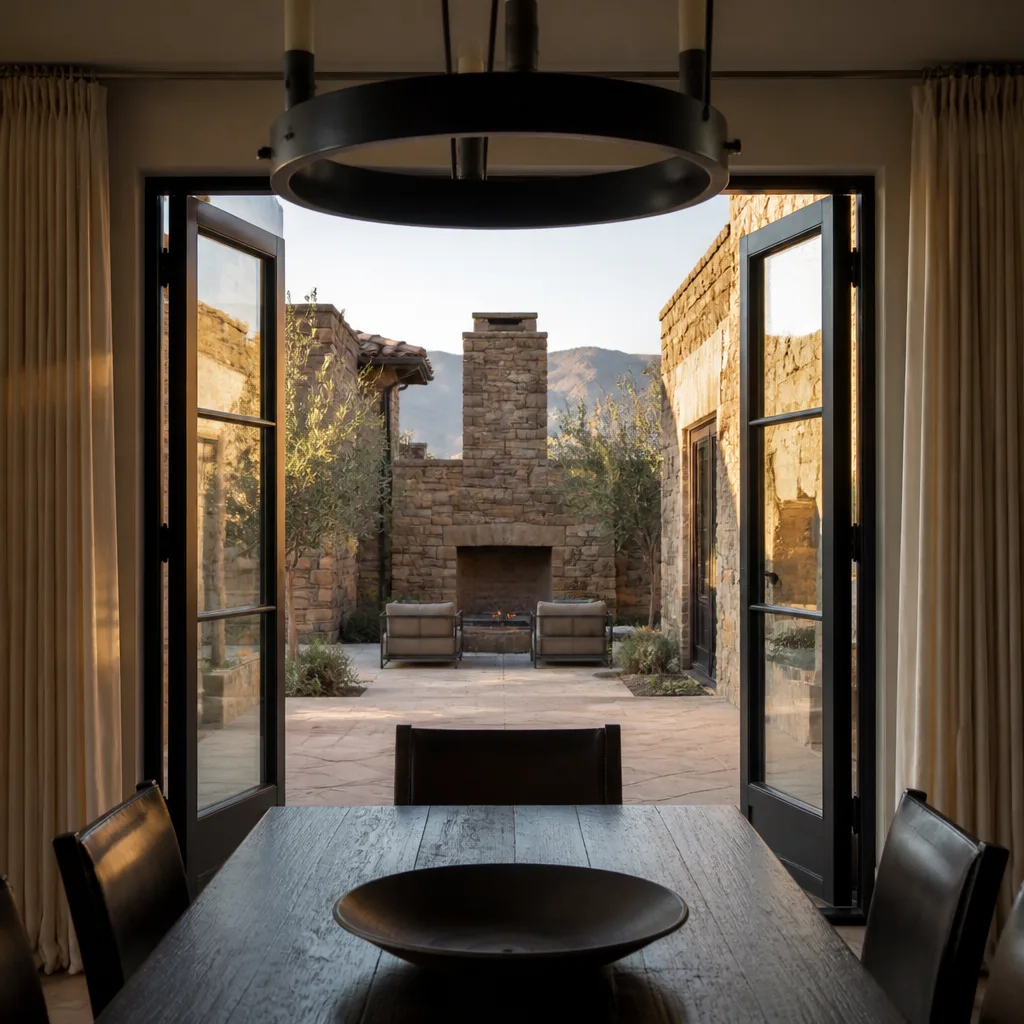
All of this is useless if it lives in a drawer you can’t reach during an outage. Build a single reference card, fill it in by hand, photograph it, and keep the photo on your phone and a printed copy somewhere accessible. Cover these fields.
- Glass and board-up contacts: Sightline Windows & Doors Mesquite at (888) 268-5117, plus your insurance agent’s direct line.
- Opening inventory summary: the six fields for each opening (frame material, glass package, dimensions, manufacturer, install date, model/spec code).
- Hardware overrides: the manual override step for each lock and motorized door, written in one line each.
- Ground-floor flood plan: which openings get barriers first, and where the sandbags are stored.
- Temporary seal kit location: where the foil tape, poly sheeting, and backer rod live.
- Key location for any door with a physical override.
Photograph the finished card. A phone photo survives a power outage, a wet drawer, and a panicked search at 2 a.m.
Common Mistakes to Avoid
- Treating duct tape as a storm repair. At 110°F it softens and leaves residue on the glass, and it won’t hold through an afternoon. Use high-temperature foil tape.
- Assuming “water-resistant” means flood-safe. It’s a weather claim, not a barrier rating. Check the door sweep and threshold, and know that flood-rated is a separate category.
- Never documenting the glass spec. The 11-day lead time in that 2022 Mesquite case wasn’t a supply problem; it was an information problem. An undocumented insert is the slowest kind of replacement.
- Ignoring fogging between panes. That’s a failed seal, not condensation. Putting it on the prep list now avoids an emergency later.
- Not testing the hardware override. Reading the manual during an outage is the wrong time. Confirm the manual operation works before you need it.
- Sealing a door without checking the threshold and sweep first. Water follows grade. A good seal on a threshold at grade level still lets water in.
- Waiting for the storm to call. Scheduling a replacement or a spec review before storm season means the right unit is specified and ordered, not sourced in a panic.
When to Call a Professional
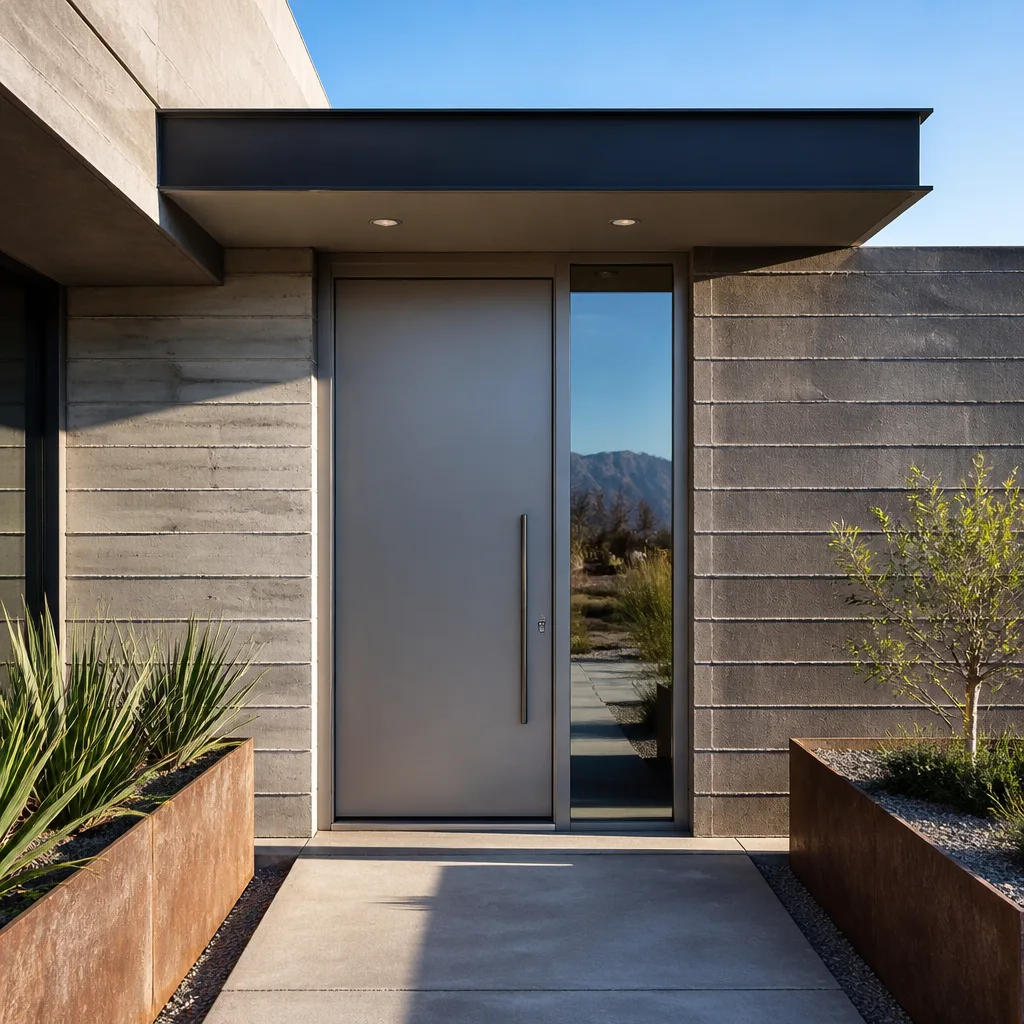
Call a professional when glass has broken or a door’s seal has failed and water is getting in; when fogging between panes tells you an insulated unit has lost its seal; when electronic hardware fails and the override isn’t working; or when an exposed opening needs an impact-rated or flood-appropriate upgrade you can’t spec on your own. Those are the cases where a wrong guess costs more than a proper measurement. Sightline Windows & Doors Mesquite offers free estimates in Mesquite, and the written price comes before any work starts, under the Haven Standard. Call (888) 268-5117 to schedule your free estimate.
Frequently Asked Questions
Build and photograph your window and door inventory, covering frame material, glass package, dimensions, manufacturer, install date, and model code for every opening. That documentation determines how fast a replacement can be sourced, and in a 2022 Mesquite case, undocumented single-pane inserts added 11 days to a replacement lead time. That’s the single highest-value prep step, and it takes an afternoon. Call (888) 268-5117 for a free estimate if you need help reading your specs.
High-temperature foil tape, 6-mil clear poly sheeting, closed-cell foam backer rod, and exterior-grade butyl flashing tape hold up at 110°F. Standard duct tape, painter’s tape, plastic wrap, and wet-applied caulk degrade within a day and shouldn’t be relied on. Seal the perimeter to the frame, not the glass. Estimates are free at (888) 268-5117 if you’d rather have the opening specified properly.
No. Water-resistant means the product resists splash and weather exposure; flood-rated means the assembly has been tested to hold back standing water at a specified depth and time. Most residential doors are not flood-rated. For ground-floor openings, check your door sweep and threshold first, and call (888) 268-5117 for a free estimate on a properly sealed replacement.
Every electronic lock and motorized door sold in the Nevada market has a manual override, usually a key override, an interior thumb-turn, a 9-volt battery terminal, or a clutch release on motorized sliders. Find the override on your specific unit and write it into your inventory before an outage. If you’re replacing hardware, call (888) 268-5117 for a free estimate on a unit with a documented manual override.
Fogging between panes means the seal on the insulated glass unit has failed, letting moisture into the cavity, and the unit’s insulating value is gone. Mesquite’s heat accelerates seal failure, especially on west-facing glass. It’s not a cleaning problem; it’s a replacement candidate. Call (888) 268-5117 for a free estimate on the right spec.
The inventory document and reference card cost nothing but an afternoon, and the temporary seal kit runs roughly $50 to $90 for foil tape, poly sheeting, and backer rod. What costs money is a replacement sourced in a panic without a documented spec. For a written price before any work starts, call (888) 268-5117 for a free estimate.
The Bottom Line
Mesquite’s window and door emergencies are heat, debris, and water, not hurricane boards. The preparation that pays off is documentation: a photographed inventory with the six fields that determine replacement lead time, a small seal kit built from heat-rated materials, a flood plan for ground-floor openings that respects the difference between water-resistant and flood-rated, and the manual override for every piece of electronic hardware in the home. Do the paperwork once, photograph it, and a storm becomes an inconvenience instead of an 11-day wait. Sightline Windows & Doors Mesquite offers free estimates, written before any work starts, and a live person answers at (888) 268-5117.
Written by the team at Sightline Windows & Doors Mesquite.
Six Reasons Homeowners Choose Sightline Windows & Doors Mesquite
Laminated glass and reinforced frames hold up to wind-driven rain, hail and flying debris, so your openings stay sealed when the weather turns.
Low-E insulated impact glass from our manufacturer lines commonly cuts monthly cooling bills 20-30%.
Laminated impact glass shuts out up to 40% of outside noise - traffic, neighbors, weather.
Monitoring services run $30-90 a month. Laminated impact glass resists forced entry around the clock, with no subscription.
Tighter seals and insulated glass even out hot and cold rooms and stop the drafts at the frame.
A full impact package upgrades curb appeal, buyer confidence and appraised value in one project.
Other Sightline Windows & Doors Mesquite Services