Last updated November 18, 2026
New windows and doors improve comfort, cut energy bills and add long-term value to your home. Sightline Windows & Doors Mesquite pairs proven product lines with a local vetted installing partner for lasting performance - and a price put in writing.
Choose your installer
The unit is half the job - the install is the other half. Background-checked local installers measure, set, seal and insulate every opening, and they know the lines we quote inside and out.
Select the right products
Compare styles, materials and glass packages side by side until the fit is right for your rooms, your budget and your goals. The product-line comparison below is the place to start.
Prepare your home for install
Before install day we walk you through a short checklist - furniture pulled back, treatments down, a clear path to each opening - so install day is watch-it-happen, not scramble.
Compare the Lines We Quote
Every project is priced on the same lines, side by side - the price indicators below are relative, and your consultant shows exact numbers on your actual openings.
PGTThe line homeowners arrive naming - the most impact certifications in the industry$$$
- More impact certifications than any other line we quote
- WinGuard, EnergyVue and ClassicVue Max systems built for every wind zone
- 99% on-time delivery keeps your install date on the calendar
CGIThe heavyweight impact line$$$$$
- Large-missile impact ratings for the strictest wind zones
- Architectural-grade aluminum with commercial-depth frames
- The line we quote when protection is the whole point
CWSThe value pick$$
- Vinyl systems built to strict wind codes
- Strong energy packages at the friendliest price point
- The smart start for whole-home replacements on a budget
ESWSlim lines, big glass$$$$
- Narrow-sightline aluminum for modern elevations
- Oversized openings and floor-to-ceiling glass
- Impact-rated without the bunker look
ECOThe aluminum impact workhorse$$$
- Factory-built aluminum impact systems
- A strong price-to-protection ratio for coastal homes
- Proven lines with short lead times
DIY vs Professional Window Installation: What’s Safe to Do Yourself
Here’s a fact that surprises most homeowners: in Nevada, window installation in most commercial work requires a C-17 glazing contractor license, but the residential rules are far less clear. That gray area is exactly why unpermitted DIY window installs turn up on Clark County title searches and stall home sales at the worst possible moment. The real question isn’t whether you’re handy enough to set a window. It’s which specific steps carry legal, structural, or warranty consequences when they go wrong, and whether you can document them well enough to defend your work when you sell. This guide draws the line by task, not by skill level. We’ll walk through what a Mesquite homeowner can safely do, what voids a manufacturer warranty, and where water damage hides until it’s expensive.
Quick Answer
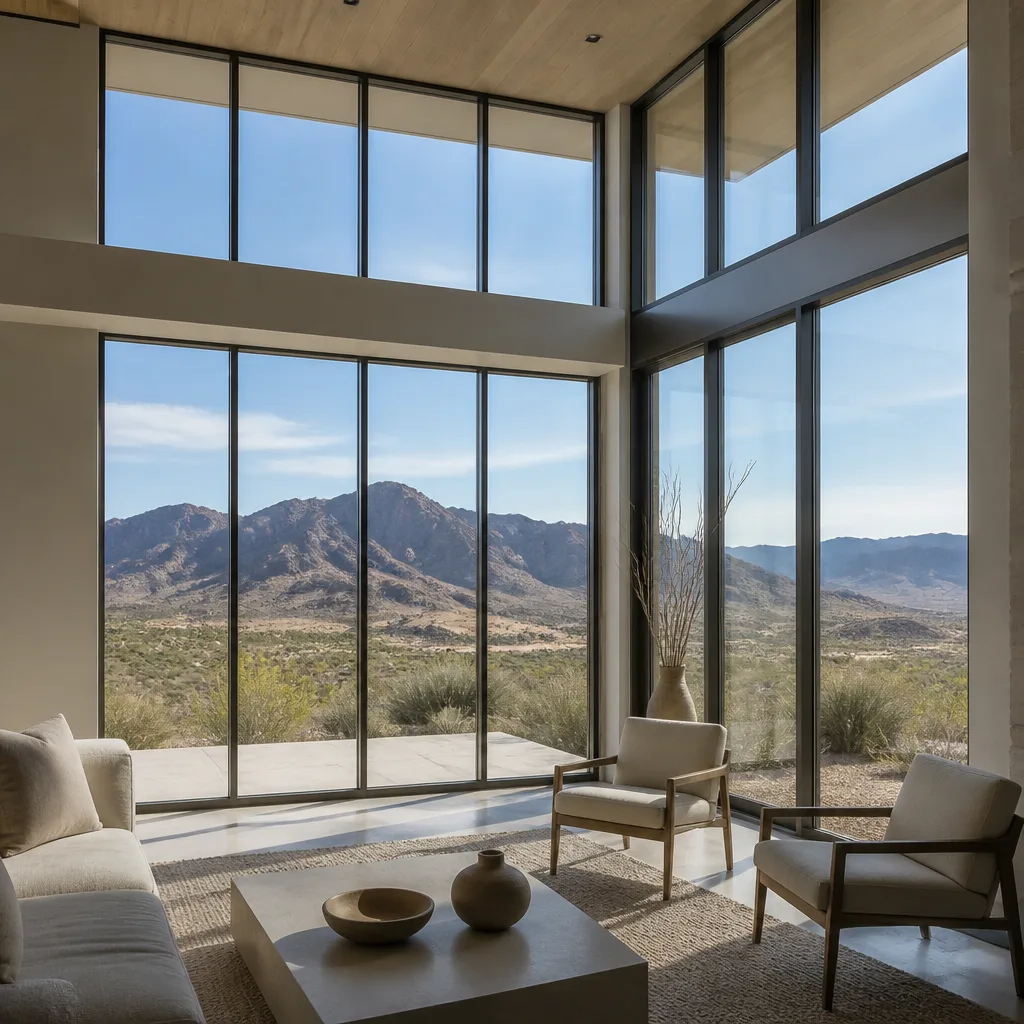
You can safely remove interior trim, prep the opening’s interior edge, finish and paint after the install, and handle light interior sealing. You should not self-perform rough opening prep, sill pan flashing, nailing fin fastening, or the exterior weather seal. Those are the steps that carry permit, structural, and warranty consequences, they’re hidden once the wall closes up, and a manufacturer can refuse a claim if they weren’t documented. The dividing line is invisibility: if a mistake disappears behind drywall and only shows up as rot years later, that’s a professional’s job.
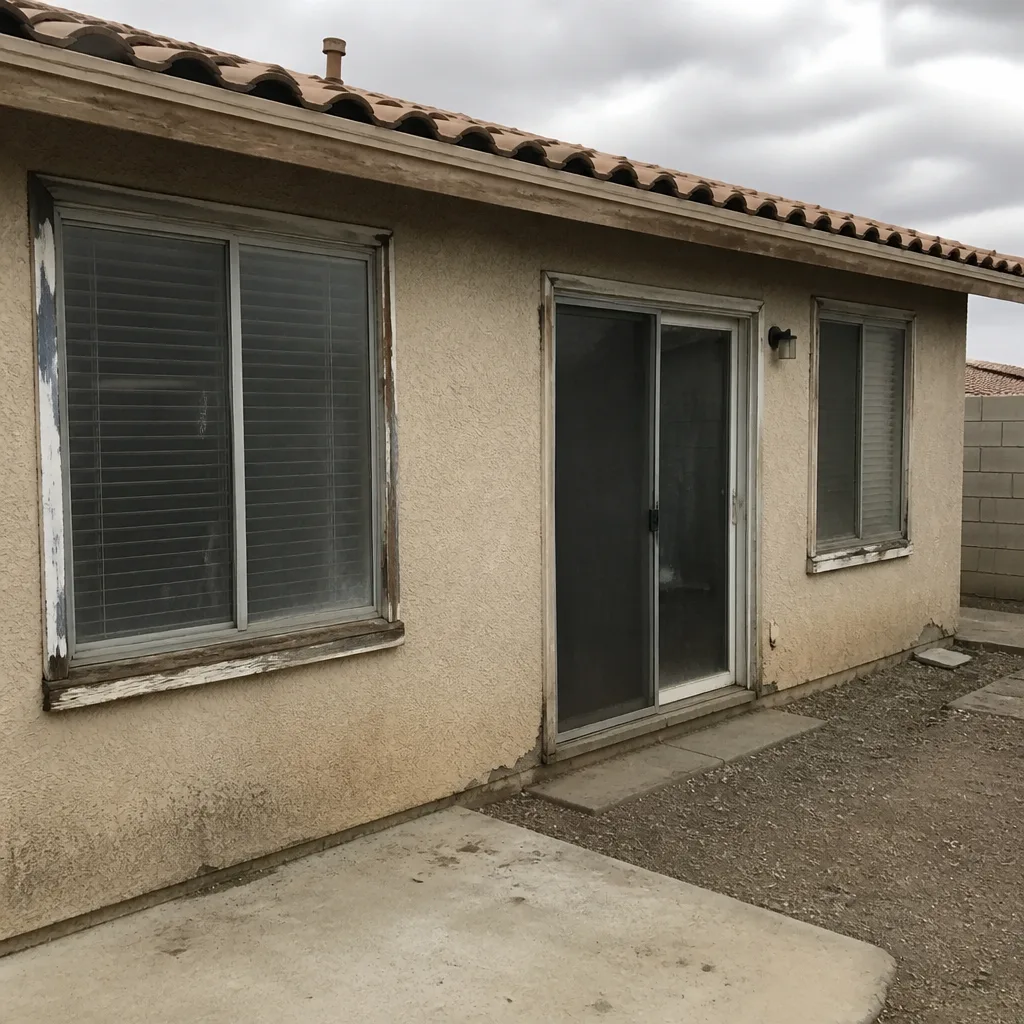 Before
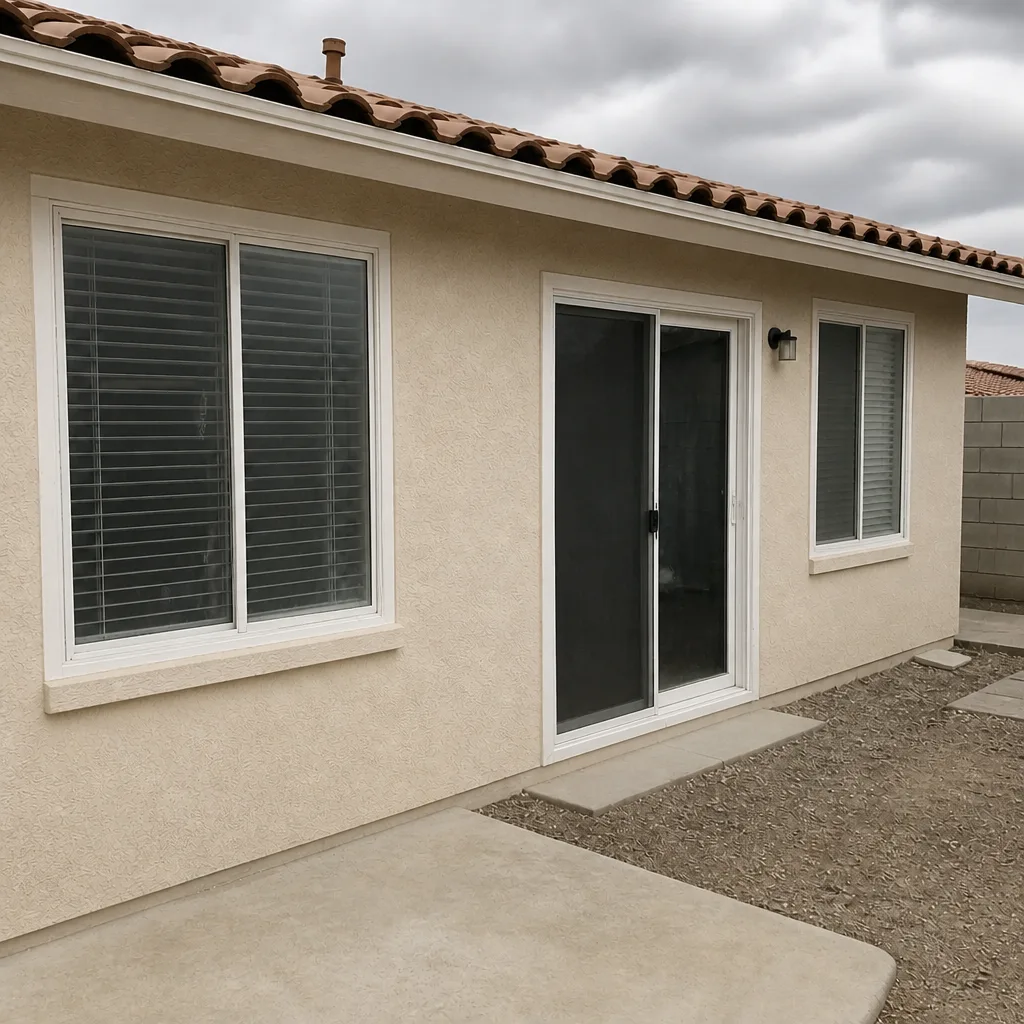 After
Table of Contents
- What Nevada Law Actually Requires for Residential Window Work
- The Tasks a Homeowner Can Legally and Practically Do
- The Three Steps Where Errors Hide Until Water Damage Surfaces
- How Manufacturer Warranties Define “Professional Installation”
- The Real Cost Comparison: DIY Plus Correction vs Documented Install
- What to Photograph if You Do Any Portion Yourself
- Common Mistakes to Avoid
What Nevada Law Actually Requires for Residential Window Work
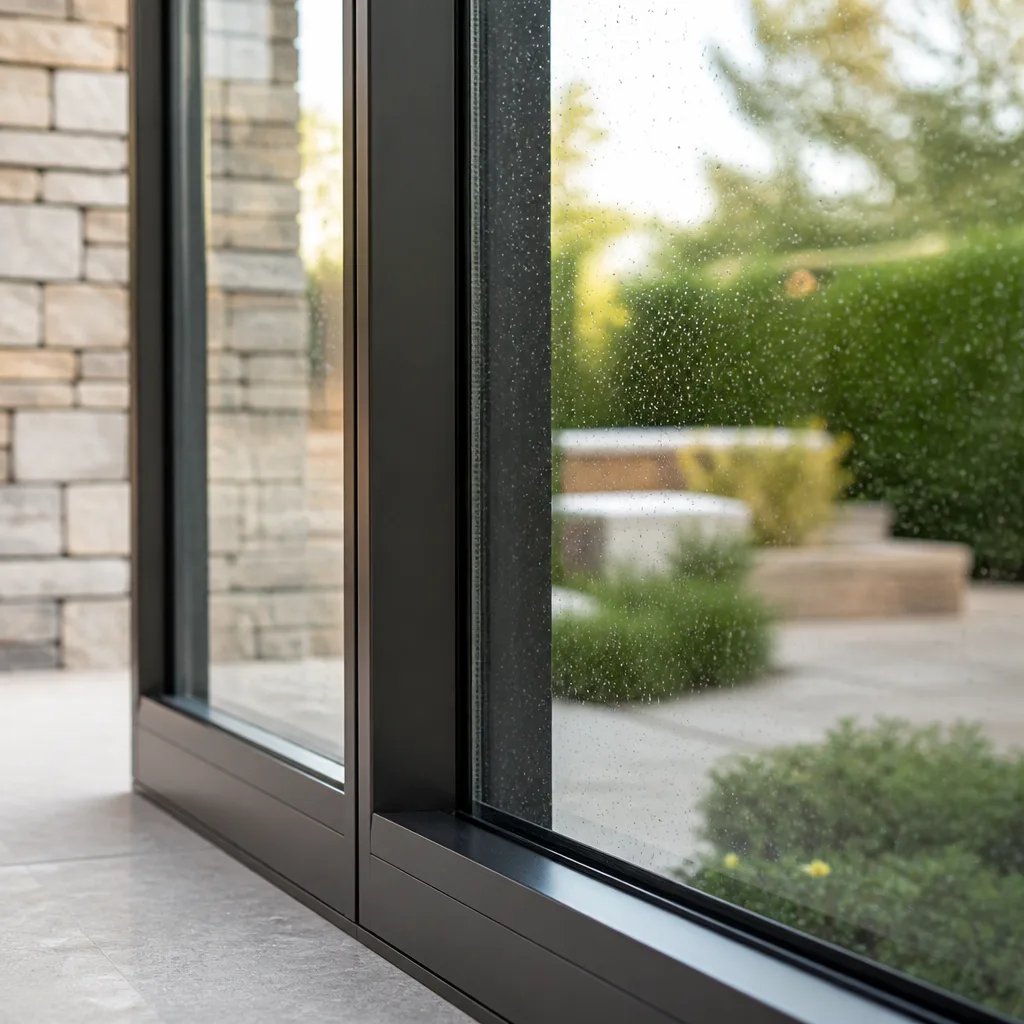
Nevada’s contractor licensing framework treats glazing as a specialty trade. The C-17 glazing contractor classification covers window and glass installation, and while the state draws a clearer line for commercial projects, single-family residential replacement sits in a less-defined zone. Some jurisdictions require a permit for any change to the building envelope; others allow like-for-like replacement without one. In Mesquite, the practical answer is to call the city’s building department before you buy a single window and ask two questions: does this replacement need a permit, and does the permit require a licensed installer?
Why this matters for resale: when a home changes hands, a title company pulls the permit history. A window opening that was enlarged, a new opening cut into a wall, or a replacement done without a required permit can show up as an unpermitted alteration. That can trigger a buyer’s inspection contingency, a price renegotiation, or a failed appraisal. We’ve seen Mesquite homes where a six-inch window resize cost the seller more in negotiation than a fully permitted professional job would have cost to begin with.
Some context on why this is worth getting right the first time: our technicians have up to 14 years of experience, and the permit question comes up on nearly every survey we run. The answer changes by project type. Straight replacement of an existing opening in a Mesquite home is usually simpler than new construction or a resize. Cutting a new opening or moving a window always requires engineering and inspection. When in doubt, that’s the moment to schedule a window installation consult in Mesquite and let a licensed pro run the permit check for you.
The Tasks a Homeowner Can Legally and Practically Do
A meaningful share of a window project is finish work, and finish work is genuinely safe to do yourself. The labor you can reclaim falls into two categories: before the install and after it. Here’s the breakdown.
What you can safely handle
- Interior demolition and trim removal. Pulling the casing and stool off an old window is low-risk. Score the paint line with a utility knife first to avoid tearing drywall paper.
- Protecting the interior. Moving furniture, laying drop cloths, and taping off the surrounding wall saves the installer time and saves you money on labor.
- Post-install interior sealing and trim. After the window is set and flashed, interior air sealing with low-expansion foam and reinstalling trim are finish-level tasks. Low-expansion matters: standard expanding foam can bow a jamb.
- Paint, caulk, and touch-up. Interior paint and trim caulk are yours to handle. Buy a paintable, flexible caulk and keep the gap house-side small.
- Exterior landscaping prep. Clearing shrubs and moving planters away from the wall gives the installer access and prevents crushed plants.
What isn’t legally or practically yours
Anything that touches the structural opening, the weather barrier, or the exterior envelope stays with a licensed installer in almost every Mesquite scenario. That includes removing the existing frame, cutting or modifying the rough opening, installing flashing, and sealing the exterior perimeter. The reason is partly legal and partly practical: those steps are inspected, warrantied, and hidden from view.
The Three Steps Where Errors Hide Until Water Damage Surfaces
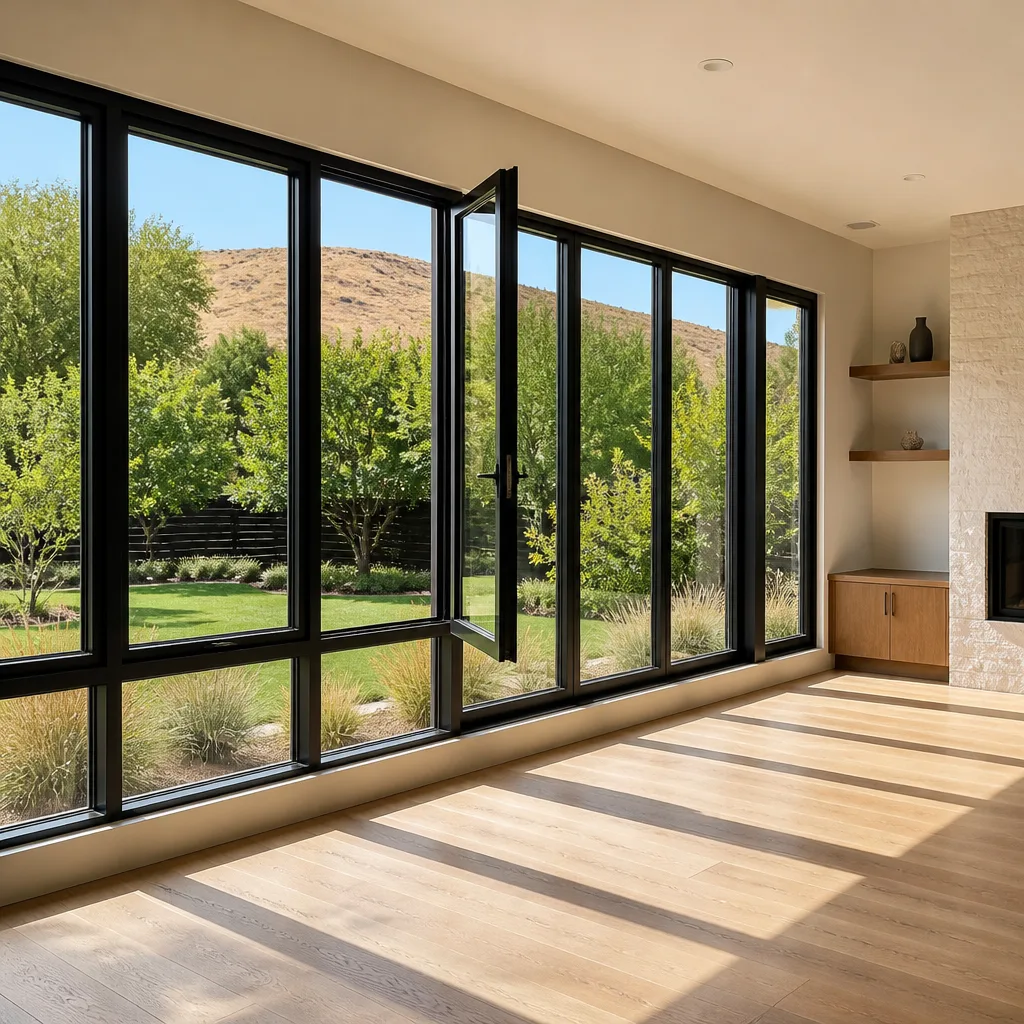
If you remember one section of this guide, make it this one. Three steps in a window install determine whether the opening stays dry for twenty years or leaks quietly for five. All three are invisible after drywall goes back up. None of them can be verified by looking at the finished wall.
- Rough opening prep and sizing. The rough opening must be square, level, and plumb within a tight tolerance, typically no more than 1/4 inch out of square across the opening. If it’s off, the window racks, the sash binds, and the weather seal never seats fully. You won’t see the rack until the second summer, when the sash starts sticking.
- Sill pan flashing. This is the single most failure-prone step in residential window work. A properly built sill pan slopes toward the exterior and laps up the jambs behind the weather barrier. Get the slope direction wrong, skip the jamb laps, or fail to shingle-lap the house wrap over the flashing, and water pools at the sill and migrates into the wall cavity. In Mesquite’s climate, where a hundred-degree summer is followed by monsoon-season downpours in July and August, that pooled water has nowhere benign to go.
- Nailing fin fastening and shim placement. Nails or screws go through the nailing fin at specified intervals (manufacturers publish the schedule, commonly every 4 to 6 inches and within 2 inches of each corner). Fasteners go through the shims at the sill and jambs, not bowing the frame. Miss this and the window deflects under wind load, breaking the weather seal and, in an impact-rated unit, compromising the glazing bond.
The pattern is consistent: if you can see your mistake from inside the room after the job, it’s finish work. If you can’t, it’s structural, waterproofing, or warranty work. That’s the whole boundary drawn by task. For a closer look at how these steps come together on a full install, our Mesquite window replacement service walks through what a documented replacement includes.
How Manufacturer Warranties Define “Professional Installation”
Manufacturer warranties on windows and doors are usually explicit: the warranty covers defects in materials and workmanship of the product, not failures caused by improper installation. That distinction is where DIY gets expensive. When a manufacturer writes “professional installation required” in the warranty language, they typically mean installation by a licensed contractor following the manufacturer’s published installation instructions. They may also require an installation receipt, a contractor license number, and sometimes photographic evidence of the install.
Major manufacturers including PGT, which we carry as one of our eight lines, define the required installation conditions in the product documentation. If a claim comes in on a failed seal or a fogged insulated glass unit (IGU), the manufacturer’s first question is often “who installed it, and can you show us?” Fail to answer, and the claim is denied. Same product, same defect, different outcome based entirely on documentation.
There’s a second layer most homeowners miss. Window warranties transfer to a new owner only under specific documented conditions. When you sell a Mesquite home, a buyer’s inspector may ask whether the windows are still under warranty. If the answer is “yes, professionally installed in 2019, transferable to the buyer,” that’s a selling point. If the answer is “I installed them myself, and I think the warranty is void,” you’ve created an objection at the worst moment in the transaction.
The Real Cost Comparison: DIY Plus Correction vs Documented Install
The headline number is never the true number. DIY window replacement pencil-out usually compares a pro’s price against the cost of a window and a weekend. The accurate comparison includes the cost of correcting a failed step, which shows up years later and is almost always more expensive than the step would have been to do right in the first place.
Here’s the honest way to run the numbers on a typical Mesquite single-opening replacement. Material costs are rough residential figures for a standard replacement unit; correction costs are the range we see when a failed step is caught and repaired after the fact.
- Window unit (mid-grade, energy-efficient): $350 to $900 depending on size and glass package.
- Material and tool rental for DIY: $150 to $300.
- Professional installed price per opening (labor plus disposal): quoted in writing before work begins, no surprises.
- Correction cost, missed sill pan flashing: $1,500 to $4,500, including drywall, framing repair, and re-flashing after water damage surfaces.
- Correction cost, unpermitted alteration found at resale: $1,000 to $3,000 in permits, inspection, and remediation, plus negotiating leverage.
- Correction cost, voided manufacturer warranty claim on a failed IGU: full replacement unit cost, $500 to $1,500 per window.
One bad step on one opening erases the savings on the entire project. That’s the real math, and it’s why the documented professional install competes on total cost, not just upfront price. When you’re comparing options, our team offers a free second opinion on any written estimate, including one you’ve received elsewhere. Bring a competitor’s quote and we’ll review it at no charge. That’s a useful step even if you haven’t decided to hire anyone yet.
What to Photograph if You Do Any Portion Yourself
If you’re handling the finish work on a professional install, or any portion of the job, the documentation habit matters more than the work itself. The point is to create a photo record that survives a resale, an insurance claim, or an inspection. Here’s what to shoot and how to store it.
What to photograph
- The rough opening before the window goes in. Frame, sheathing, and any flashing already installed. Include a tape measure in the frame if you can, it establishes scale.
- Every layer of flashing as it goes on, at every opening. Sill, jambs, head. Shoot from an angle that shows the lap direction, because “which way does this slant” is the question you’ll be asked if water shows up later.
- Fastener placement on the nailing fin. A close-up of the spacing and corner fasteners per the manufacturer’s schedule.
- The manufacturer label on the window itself. Serial number, model number, glass package. This is what a warranty claim runs on.
- The finished exterior seal and the completed interior trim. Date-stamped if your phone supports it.
- The full written estimate and the final invoice. These need to match. If they don’t, that’s the problem to solve first.
How to store it for resale
Keep the photos in a single folder named for the project and back them up to a cloud account you control, not just the phone. Add a one-page cover sheet listing the windows replaced, the product line, the installer’s name and license number, the permit number if one was pulled, and the warranty terms. Store that folder alongside your closing documents. When you sell, hand it to your listing agent. Buyers and inspectors respond very well to a stack of organized photos and a written scope. It’s the difference between “the seller says the windows were done” and “here’s the record.”
Our installs come standard with a documented photo record, the written scope, and the warranty terms, so the file exists without you assembling it. For the full-detail view of what a documented install covers, see our Mesquite door installation service if your project includes a door replacement alongside windows.
Common Mistakes to Avoid
- Assuming “replacement” means “no permit.” It depends on the Mesquite building department’s read of your specific project, the size of the opening, and whether it’s a straight swap or a resize. Ask before you buy.
- Installing the window without a sill pan. This is the most common DIY shortcut and the most expensive to correct. The pan is the waterproofing layer under the sill; without it, water that gets past the exterior seal has a straight path in.
- Using standard expanding foam around the frame. It bows jambs and pushes the frame out of square. Low-expansion foam exists for a reason.
- Skipping the manufacturer’s fastener schedule on the nailing fin. Fasteners too far apart let the frame deflect in wind, which stresses the weather seal and, in an impact-rated unit, the glazing bond.
- Not checking the rough opening for square and level. A racked opening causes binding sashes and failed weatherstrip. Measure across both diagonals, and measure both sides and top/bottom.
- Throwing away the paperwork. Serial numbers, warranty terms, and the install receipt are what a future claim runs on. If you can’t produce them, you probably can’t make the claim.
- Doing the whole job solo on an impact-rated window. Impact-rated products must be installed to the manufacturer’s specified anchor pattern and impact protective system requirements. Get this wrong and the unit likely won’t perform as designed, and the manufacturer’s coverage is at risk.
When to Call a Professional
Call a professional when the work involves any of the following: cutting or modifying the rough opening, new window construction, an enlarged opening, an impact-rated unit, a second-story window, or any step that requires a permit in your Mesquite jurisdiction. Call a professional when the exterior envelope is being altered in any way you can’t fully photo-document. Call when the window is above a walkway or over a hardscape surface where a fall risk exists, or when you’re replacing a window taller than roughly 6 feet, because a second set of trained hands is a safety requirement there, not a luxury. And call when you’re already past the finish-work boundary and the next step is one of the three hidden ones. There’s no shame in stopping at the point where a mistake becomes unfindable.
Sightline Windows & Doors Mesquite offers free estimates in Mesquite. Every engagement begins with a measured survey you keep, a written price before any work starts, and a documented photo record at close. Our technicians are background-checked, uniformed, and identified by license number before arrival, and every completed job is covered by the 365-Day Done Right Promise. Call (888) 268-5117 to schedule your free estimate, or to bring a competitor’s quote in for a second opinion. Start from the Sightline Windows & Doors Mesquite home page if you want the full picture first.
Frequently Asked Questions
It depends on the specific project and jurisdiction. Nevada requires a C-17 glazing contractor license for most commercial window installation; single-family residential replacement rules are less defined and depend on whether a permit is required. In Mesquite, call the building department with your project specifics before you buy. For a property owner performing work on their own primary residence, some residential work is permitted; anything involving a structural change, a new opening, or a permit condition is not.
Very likely, if the warranty language requires professional installation. Most manufacturers, including PGT, define the required install conditions and may request an installation receipt, a contractor license number, and photographic evidence. Without that documentation, a warranty claim on a failed seal or an insulated glass unit is usually denied. Call (888) 268-5117 if you want to see what a documented install includes before you decide.
Sill pan flashing errors. In our experience, the failures that cause the most water damage are skipped pans, pans sloped the wrong way, or house wrap that isn’t shingle-lapped over the flashing. Mesquite’s combination of high summer heat and July-August monsoon rain is hard on exterior seals, and the hidden flashing layer is the only defense once the seal fails.
Yes. We install and replace windows and doors in Mesquite, drawing from eight verified manufacturer lines including PGT, Therma-Tru, CGI, CWS, ViewLux, ES Windows, ECO Window Systems, and Mr-Glass. Every job includes a measured survey you keep, a written price before any work starts, and a documented photo record at completion. Our technicians have up to 14 years of experience, and every job is covered by the 365-Day Done Right Promise. Call (888) 268-5117 to schedule a free estimate.
Not on a Sightline install. The written quote is the same document as the measured survey, and the final invoice cannot differ from it. That’s the founding principle of the Haven Standard and how Clause 1 (Have it in writing) works in practice: the price is on the page before anyone lifts a tool. If you bring a competitor’s estimate for a free second opinion and something in the scope changes, we’ll tell you before, not after.
On a standard replacement, most openings can be completed in a single day per opening, with full interior finish work needing a second trip if it’s part of the scope. The measured survey and written estimate come first, and the schedule is confirmed in writing before work starts. For a specific timeline on your Mesquite home, call (888) 268-5117 for a free estimate.
The Bottom Line
The line between DIY and professional window installation is drawn by task, not by your skill level. Finish work, trim, interior sealing, and paint are safe, legal, and often worth doing yourself. The structural opening, the flashing, and the exterior weather seal are not, because they carry permit, warranty, and structural consequences that stay invisible until water damage surfaces. In Mesquite, the permit question is a phone call worth making before you buy a window, and the documentation habit is worth keeping if you do any portion yourself. If you want the full scope in writing before you decide, that’s what our Mesquite window installation team is here for.
Call (888) 268-5117 to schedule your free estimate. We’ll bring a measured survey, a written price before any work starts, and a free second opinion if you already have a quote in hand. Estimates are free, and the price on the page is the price on the invoice.
Written by the team at Sightline Windows & Doors Mesquite.
Six Reasons Homeowners Choose Sightline Windows & Doors Mesquite
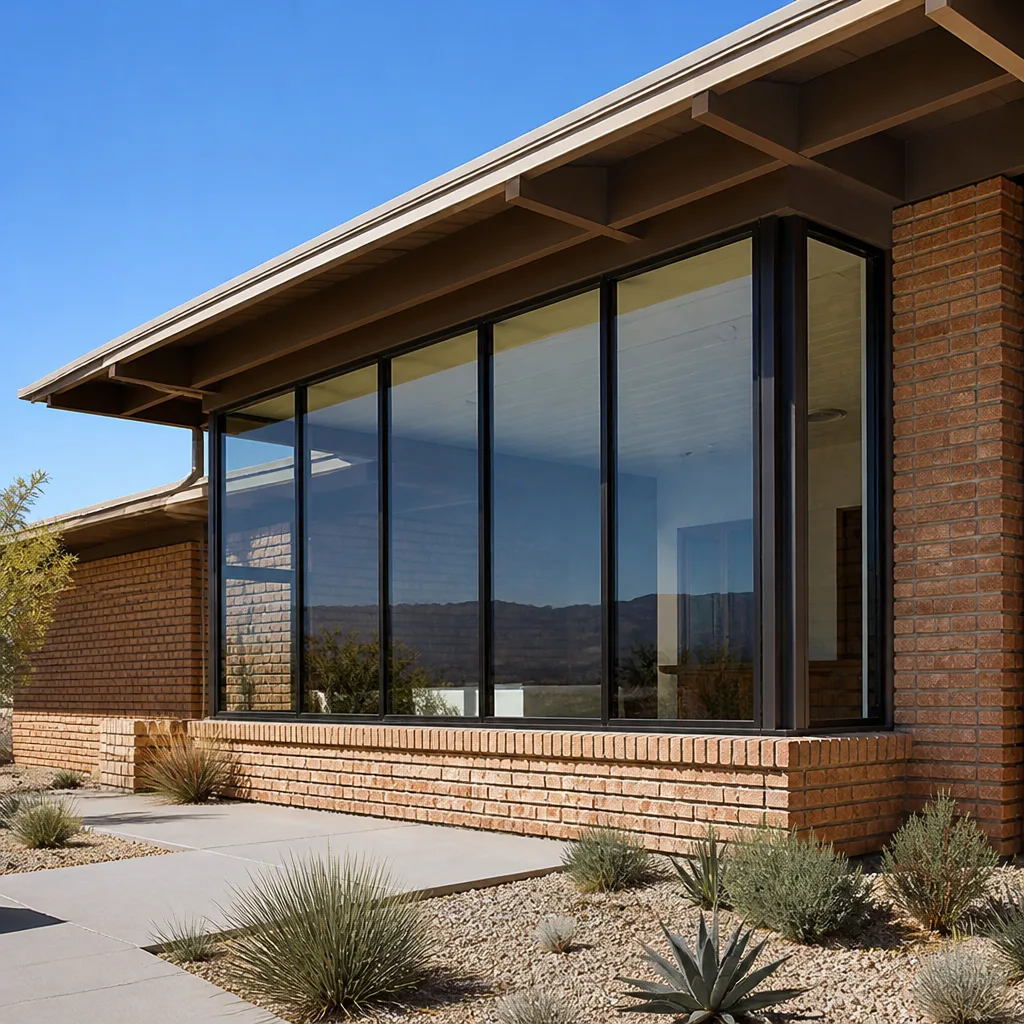
Laminated glass and reinforced frames hold up to wind-driven rain, hail and flying debris, so your openings stay sealed when the weather turns.
Low-E insulated impact glass from our manufacturer lines commonly cuts monthly cooling bills 20-30%.
Laminated impact glass shuts out up to 40% of outside noise - traffic, neighbors, weather.
Monitoring services run $30-90 a month. Laminated impact glass resists forced entry around the clock, with no subscription.
Tighter seals and insulated glass even out hot and cold rooms and stop the drafts at the frame.
A full impact package upgrades curb appeal, buyer confidence and appraised value in one project.
Other Sightline Windows & Doors Mesquite Services
What Neighbors Say About Sightline Windows & Doors Mesquite